Subscribe
to receive news by email

Poll
Will the Trump Administration Shift U.S. Policy in Favor of Palestine?
- No (87%)
- Yes (13%)
 Loading ...
Copyright © 2026 Arab America
Go topA Military Airstrip Amid Civil War: Who Wins?
By: Fayzeh Abou Ardat / Arab America Contributing Writer
The building of a military airfield on Zuqar Island, off the coast of the Red Sea, has marked a new turning point in Yemen’s protracted and terrible civil conflict. They have a better strategic position thanks to the project, which was constructed by forces supported by the United Arab Emirates. Although military authorities may view it as a step forward, there are significant concerns regarding its potential humanitarian effects on Yemen’s already suffering populace.
The Strategic Gain, the Humanitarian Loss
From a military standpoint, the new airfield might assist anti-Houthi forces in tracking ships, keeping an eye on the sea, and fending off attacks. International commerce lines have been threatened by the Houthis’ prior targeting of ships in the Red Sea. Therefore, constructing the airstrip appears to be a sensible move to increase security to the UAE and its partners.
The humanitarian impact, however, paints a different picture. Strict military controls are typically attached to construction projects like these, which may force local residents to relocate or restrict their access to fishing grounds. The sea is a major source of income for many residents of Yemen’s western coast. Families lose their primary source of food when the military occupies these areas, and fishermen frequently lose their jobs.
Additionally, there is always a chance of airstrikes and counterattacks. A new airbase is targeted as soon as it is constructed. The Houthis have demonstrated that they can use drones and rockets to reach distant military locations. Civilians in the vicinity of Zuqar Island, or even in other coastal towns, may be caught in the crossfire if violence escalates there. The likelihood of additional civilian casualties and displacement rises with each new base.
This airfield could appear to be a minor military triumph in the near future. However, over time, it exacerbates Yemen’s already severe humanitarian crisis.
War’s Endless Impact on Civilians
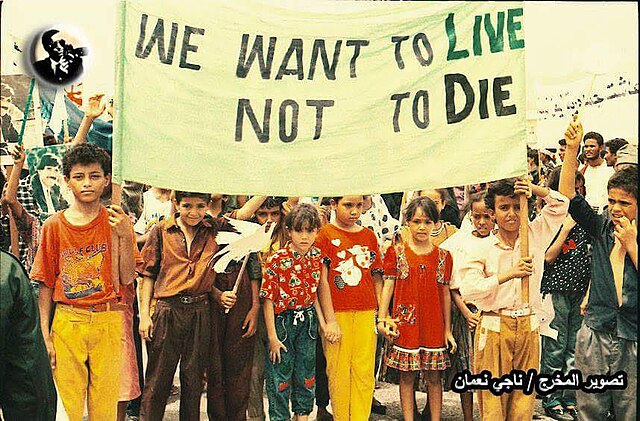
Yemen’s predicament has been dubbed the world’s worst humanitarian crisis by the UN. More than 17 million Yemenis experience food insecurity, and almost 20 million depend on humanitarian assistance. Numerous people have already experienced multiple displacements, and in many regions of the nation, essential services like healthcare, water, and education have failed.
Aid organizations frequently have less access to newly constructed military installations. Food, medicine, and emergency supplies are more difficult for organizations to provide in militarized areas. Checkpoints, curfews, and shifting front lines are all challenges faced by humanitarian workers, and new infrastructure like an airfield can make things even more difficult.
There are other environmental effects to take into account. Yemen’s island and coastal ecosystems are delicate. Local residents rely on coral reefs and marine life, which are disrupted by the construction of bases and airstrips. Food costs increase and malnutrition deteriorates when fishing grounds are harmed or restricted.
It’s simple to understand how one runway may have a profound impact on thousands of lives. More hardship for civilians frequently results from what appears to be military advancement.
Who Wins When the People Lose?
So, who is the real winner here? Perhaps the group that constructed the airstrip gets some military clout. They have the ability to control trade routes, conduct surveillance operations, and negotiate better terms. But it’s just another setback for Yemen’s civilian population.
Funds are being used to increase military activities rather than repairing hospitals, schools, or ports for assistance deliveries. Ordinary Yemenis, who have already experienced years of conflict, starvation, and displacement, feel even more helpless as a result.
Whoever is able to restore peace and stability to the people will win the war in Yemen, not who controls an island or a runway. Until then, each new airport, base, or checkpoint serves as a reminder that power, not survival, continues to be the primary objective of the fight.
Conclusion: Building for War or Building for Peace?
In a protracted and intricate conflict, the new airfield on Zuqar Island might appear to be a minor development, but it represents a far bigger issue. Yemen needs humanitarian infrastructure, not more military infrastructure. It needs dependable ports for food and medicine, safe roadways, and operational hospitals.
The suffering of Yemeni civilians will only worsen if the international world keeps funding military fixes rather than humanitarian ones. Therefore, the unfortunate answer to the question, “Who wins?” is nobody. Every new runway in Yemen’s civil war may help one faction while hurting the nation as a whole.
Want more articles like this? Sign up for our e-newsletter!
Check our blog here!