Subscribe
to receive news by email

Poll
Will the Trump Administration Shift U.S. Policy in Favor of Palestine?
- No (87%)
- Yes (13%)
 Loading ...
Copyright © 2026 Arab America
Go topA Reflection: Ziad Rahbani: The Genius Composer and Political Satirist
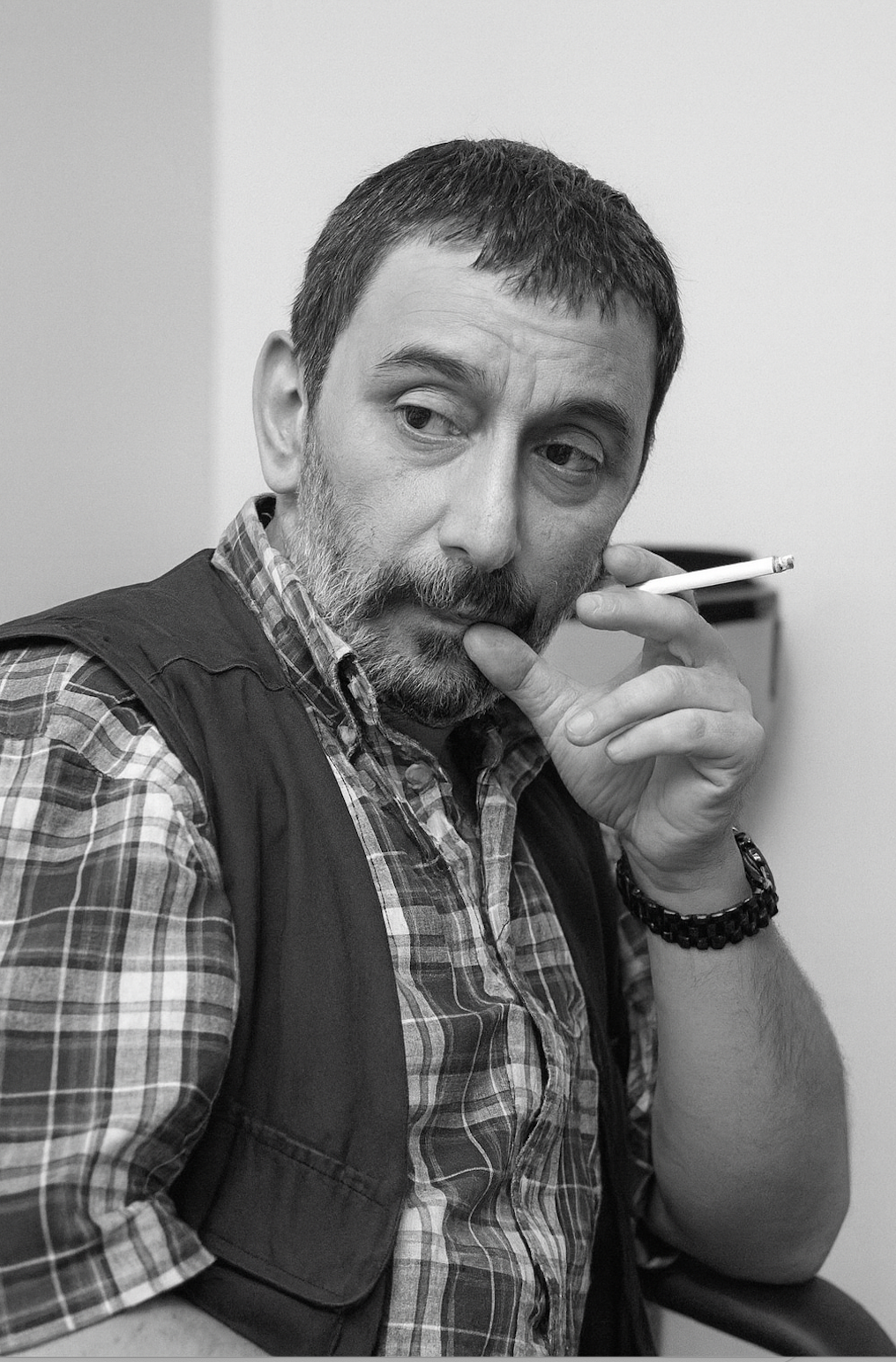
By: Sami Asmar / Arab America Contributing Writer
Lebanese composer, playwright, and political satirist Ziad Rahbani passed away at the age of 69. The son of Fairuz, the legendary singer that many generations grew up listening to, has, for better or for worse, impacted our collective identity through his music and aggressive commentary on political corruption. Although he spoke to the system in Lebanon, it applies to other countries as well, giving him a nearly global appeal.
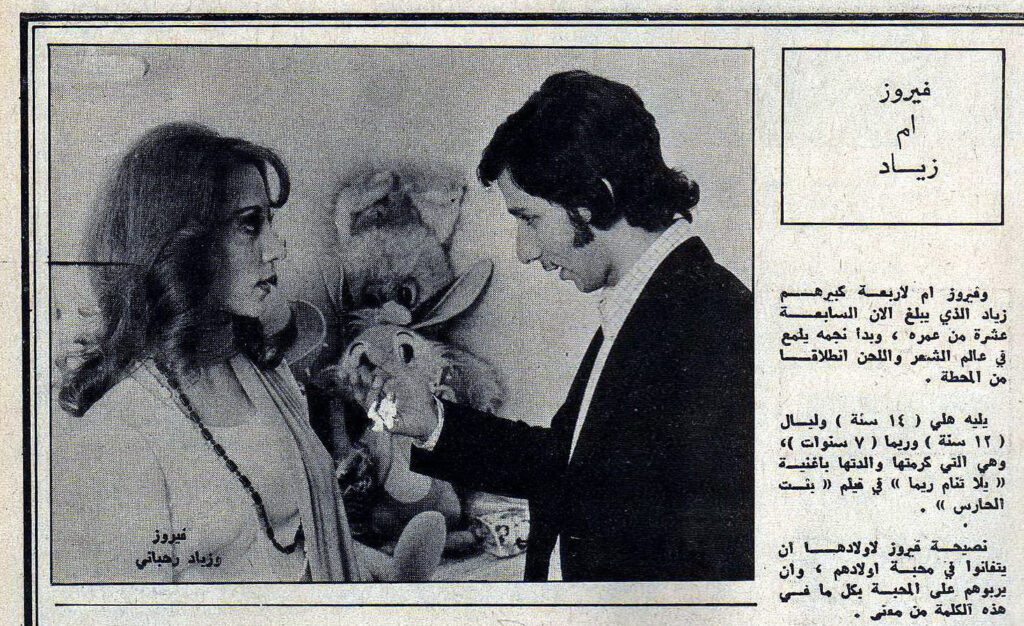
While his father and uncle, the Rahbani Brothers, were known for introducing many elements of Western music into their compositions while maintaining traditional modes and instrumentation, Ziad went much further, introducing jazz-inspired avant-garde compositions. After the illness and passing of her husband, Assi Rahbani, the older Rahbani Brother, who composed the majority of her work, Fairuz sang her son’s compositions. Initially, critics rejected the new style and were surprised at the risk Fairuz was taking with a significant change in both lyrics and orchestration.
Ziad intentionally abandoned the happy lyrics, painting the image of the village and the young girls at the water spring warming up for Dabke, to darker tones with deeper meaning, yet unpretentious words. This was accepted with time, and Fairuz is now equally identified with both periods. Ziad’s songs ’A Hadir al-Bosta (To the hum of bus), Wahdon (Alone), and Kifak Inta (How are you) are very popular. They describe an unstable woman on a long bus trip, a beautiful poem by Talal Haydar, and a practically silly conversation between two Lebanese individuals.
Saalouni El-Nass (People Asked Me) remains his biggest hit. This is a song with a story behind it. When Ziad was only 17 years old and began composing, he wrote a melody intended for another singer that his uncle heard and liked. The uncle, Mansour, had been writing lyrics lamenting the absence of his older brother, who had been in a long hospitalization from which he never fully recovered. He took Ziad’s melody and wrote this song, which Fairuz sang to a startlingly positive popular response. It brought the teenager into the spotlight.
Ziad’s genius, however, shined more in his plays where he had more freedom and space to express his views. The plays were political commentaries that satirized Lebanese politics, especially during the Lebanese Civil War. The country’s sectarian power structure was failing and leading to economic hardships that the leaders were ignoring. The people had no voice until Ziad spoke on their behalf, upsetting the status quo and creating some enemies in high positions, but gaining him tremendous popularity.
Nazl el-Surour (Happiness Hotel), for example, addressed the lost generation of mostly young men caught in the agony of civil war, and mostly trying to emigrate. Film Ameriki Tawil (A Long American Film) was satirically set in an asylum, his view of what the country was. Through these plays interspersed with brilliant songs, Ziad found himself leading a movement that nobody expected for the dream Rahbani family that has exported Lebanese culture to the world and helped with tourism. This movement deliberately opposed this trend, uncovering a painful reality.
Critics and commentators created various labels, calling Ziad a revolutionary and a leftist disruptor, all of which he ignored, focusing instead on using his music as a tool of expression. He would occasionally get depressed and disappear from the spotlight for a year at a time, then appear in a tiny jazz club playing the piano, not seeking any attention. When he had something to say in his ongoing fight against injustice, however, he made numerous television appearances, as talk show hosts found him entertaining and beneficial to their ratings.
Even in his passing, Ziad Rahbani drew attention to the inadequate medical system that was unable to provide him with adequate care. The pouring of sympathy and sadness has been tremendous. The people and fellow artists are sincere, but government officials are giving lip service to his great accomplishments, and are likely relieved of his criticism. A new leader will emerge to carry Ziad’s torch.
Sami Asmar is a writer and cultural commentator known for his expertise in Arab music. He is the Founding Director of Mawtini Choir and has contributed to Al Jadid magazine and other platforms. He promotes Arab musical heritage through essays, lectures, and advocacy across academic and artistic communities.
Want more articles like this? Sign up for our e-newsletter!
Check out our blog here!