

Subscribe
to receive news by email

Poll
Will the Trump Administration Shift U.S. Policy in Favor of Palestine?
- No (87%)
- Yes (13%)
 Loading ...
Copyright © 2026 Arab America
Go topAn Agricultural Crisis in Jordan and Beyond
By: Diksha Tyagi/Arab America Contributing Writer
Farmers across the Arab world are met with a challenge common to all: climate change. 2025 continues a trend of record-breaking temperatures, prolonged droughts, and disrupted water patterns. In nations such as Jordan, Syria, and Lebanon, these extreme conditions are placing immense pressure on already vulnerable areas.
Jordan’s Olive Harvest
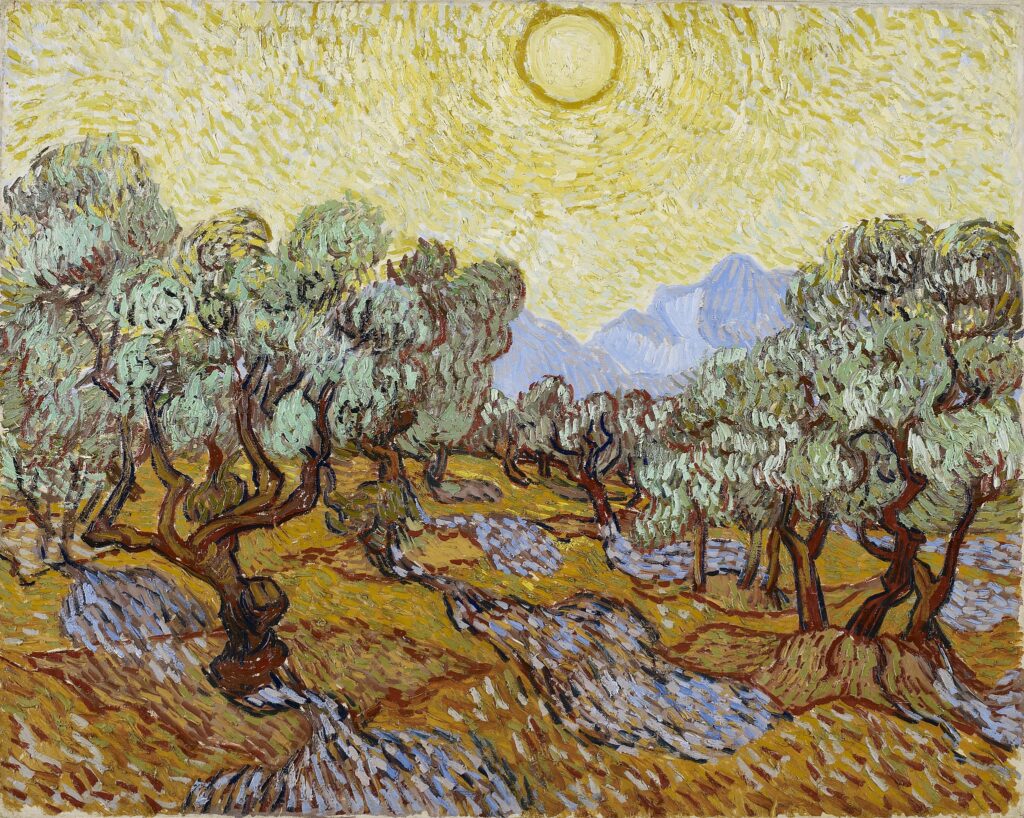
Jordan is long known for olive cultivation, with its olive sector covering around 20% of overall agricultural land. It supports more than 80,000 families as a source of income and usually generates more than $1.4 billion dollars for its economy. However, 2025’s harvest has been more than disappointing.
In the 2024-2025 harvest, Jordan produced more than 30,000 tonnes of olive oil. However, 2025’s production is projected to be around 17,000 tonnes, almost 50% lower. In some regions, it has reached even 10% of last year’s harvest. Due to these issues, farmers had a production shortfall on their hands. This prompted their government to begin temporary imports and halt certain exports, with the olive oil industry previously being self-sufficient.
This downturn comes from a combination of record heat and failed rainfall. Temperatures in August of 2025 reached 10-15 degrees over historical averages. This was the longest heatwave ever on record for Jordan, disrupting olive flowering and other agricultural development. Furthermore, with Jordan already being the second most water-scarce country in the world, rainfall deficits have not helped Jordan’s situation. Jordan only receives 88 cubic meters of renewable water annually, far below UNICEF’s global water scarcity threshold. 2025, furthermore, saw some areas receive only 15% of seasonal averages. Both heat and drought are incredibly damaging to the growth of olive trees, leaving farmers unable to continue their level of production.
Wider Agricultural Impacts
Agricultural issues in Jordan also extend beyond olive trees. Staple vegetables like tomatoes, cucumbers, and zucchini are being harvested earlier in the season to avoid heat damage. This has led to lower quality produce and losses on the market. This impacts farmers’ self-sufficiency immensely, with fallen yields curtailing incomes that are the sole source for some. It also leads to broader economic instability in entire regions.
Crises Across the Arab Region
Similar patterns are visible in neighboring countries. The Daraa province of southern Syria has been met with similar drops in olive yield, in some areas 68% compared to 2024. In Lebanon, olive production has seen drops up to 40% and rainfall deficits up to 60%. Drought has also damaged millions of hectares of wheat cultivation, affecting food security for millions.
Across Arab countries and the world as a whole, climate-induced stress does not seem to be decreasing. A recent World Meteorological Organization (WMO) report found that the Arab region has warmed nearly twice as fast as the global record. This is due to both geographic and human factors. The Arab world is mostly dominated by land, and land surfaces heat up much faster than those with water. Climate change has also been impacting wind and pressure systems, trapping heat and prolonging heat waves. Finally, heavy groundwater and urban heat increase vulnerability. These conditions all increase evaporation rates, reduce soil moisture, and therefore ameliorate drought damage.
Additionally, water scarcity is already a risk in the Arab world. Nations such as Kuwait, Cyprus, Oman, Qatar, and Bahrain rank among the most water-stressed globally. Rainfall has decreased and become increasingly irregular, leading to longer dry agricultural seasons. Agriculture is still the largest water consumer in many Arab countries, making declined availability greatly affect food production and rural livelihood. This is added with the water demands of urban and industrial users, taking from the already scarce supply of water.
This Coming Year
Climate experts warn that the harmful conditions seen in 2025 are likely to continue through 2026. More heatwaves, infrequent rainfall, and continued overall warming will disrupt agricultural production, leaving farmers even more vulnerable to even small climatic changes.
Certain Arab nations such as Jordan and Morocco have begun investing in technologies such as desalination and wastewater reuse in order to combat these harmful effects. Yet, these projects require time and funding, which small-scale farmers don’t often have access to. Doing so to the scale and scope necessary to see substantial progress will be a challenge and will require structural changes on a great level.
Want more articles like this? Sign up for our e-newsletter!
Check out our blog here!