
Subscribe
to receive news by email

Poll
Will the Trump Administration Shift U.S. Policy in Favor of Palestine?
- No (87%)
- Yes (13%)
 Loading ...
Copyright © 2026 Arab America
Go topArab American Lives Left Behind: The Search for Justice
By: Laila Ali / Arab America Contributing Writer
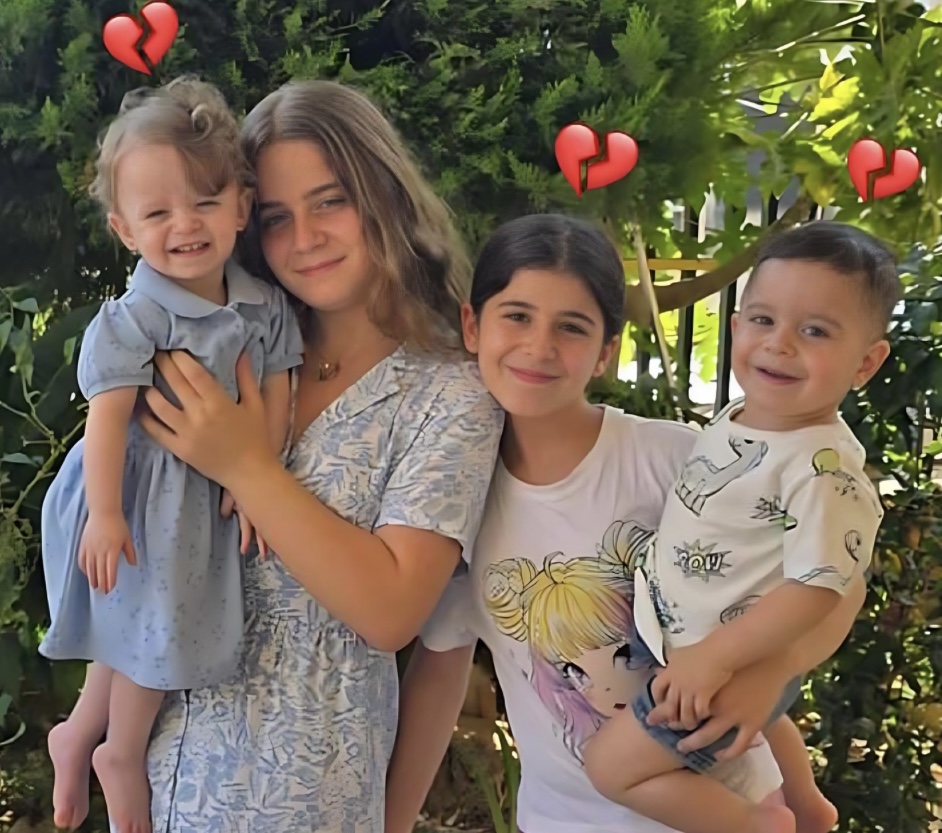
In Bint Jbeil, Israeli forces launched a raid under the claim of targeting resistance fighters, but it was civilians, including American-Lebanese, who bore the cost. Homes were torn apart, families displaced, and children killed in the crossfire. For Arab American families in the U.S., the news was not only heartbreaking because of the distance. It carried the deeper fear that their loved ones might disappear from the headlines, their citizenship weighing less in the place where they died.
The tragedy in Bint Jbeil does not stand apart. It echoes the same silence that followed other losses across the region. Palestine. Lebanon. Syria. An insistent, repeating cycle of grief where Arab American lives, even when cut short, too often go unacknowledged.
A Pattern of Loss
Sayfollah Musallet, a Palestinian American, was shot by Israeli settlers in July while visiting family in the West Bank. At 20, he was new to everything: driving a car, visiting Palestine, smoking water pipes. His father said that U.S. officials had “strong words” to describe the killing and “condemn it as terrorism,” but no action to back them up. “We heard words,” he said. “But no answers.”
Rachel Corrie, a daughter of Cindy Corrie and an American, was crushed by an Israeli bulldozer as she tried to protect a Palestinian family’s home in Gaza in 2003. The previous month, she and her family had come to Palestine to bear witness to home demolitions and she insisted, despite orders, on blocking the bulldozer’s path. More than two decades later, Cindy is still trying to find answers to the questions she had the moment her daughter was killed: Who killed her and why? Who made the decision to do so? And, most important, why has no one been held accountable? “If there had been consequences then,” she said recently, “maybe others would still be alive today.”
Aysenur Ezgi Eygi was a young Turkish American college student when she was fatally shot in the West Bank in 2024. Independent research later found no evidence that she was engaged in any protest activity or posed any threat to Israeli soldiers.
Dylan Collins was an American journalist when he was hit by Israeli fire while standing in a group of clearly marked reporters in Lebanon. Each story is different. But for families seeking justice, one refrain rings through all of them: lives lost, loved ones searching, official investigations stilled by silence.
The Unanswered Questions
What families want in the aftermath of loss is straightforward. They want to know the who, how, and why of their loved ones’ deaths. They want real investigations, not investigations closed before they start by the institution with the most to lose. They want dignity. The reassurance that their children counted as much as any other American citizen.
For Arab American families, the pain is compounded by the question of belonging. Their children’s passports bear the same seal. Their citizenship should afford the same rights. But when tragedy strikes in Syria or Palestine, the deafening silence suggests otherwise.
When Congress Stepped In
The congressional letter sent to Secretary of State Marco Rubio on September 16, 2025, presented hope for families across the country who have been asking these same questions for years. In it, senators and representatives called out the “unacceptable lack of answers” from the State Department about the deaths of Eygi and Collins. They noted that Israeli military reviews had not even interviewed victims or witnesses before closing their cases and pointed to the unsatisfactory nature of the State Department’s acceptance of “a foreign military’s perfunctory ‘investigation’ of a targeted attack against an American by its armed personnel.”
What makes the letter significant isn’t the fiery language or accusations of malfeasance but the process itself. It doesn’t demand a wholesale change in policy. It asks for answers to specific questions the lawmakers say the State Department already knows or could easily find out. That focus is important. For grieving families, it means their children’s cases will not go unmentioned, they are not just a footnote at the end of a press release- they are, like their lives, recognized, named, and entered into the official record of American concern.
Read the full letter here-
Beyond Politics
The fact remains that what makes these tragedies resonate isn’t the investigations or the congressional letters, but the people behind them. A young man visiting grandparents in Palestine. A daughter who believed in peace and died trying to make it real. A journalist who thought telling the truth was worth the risk. A teenager who made a single mistake of being in the wrong place at the wrong time. Their families live in absence now, an empty seat at the table, a phone that will never ring again. And with the grief is the harder question: if these had been other Americans, in other places, would the answers have come more quickly?
Why It Matters
For the families of the two Arab American children who passed away in El Jabari, and the many before them, these questions go to the core of citizenship. If its protections stop at the border. If its promises can vanish when the victims are Arab or Muslim, then citizenship is not equal at all.
But there is also hope in the stories families keep telling, the ways lawmakers are beginning to put those concerns into writing, and how communities won’t let the silence stand. To remember is to resist invisibility. To demand answers is to honor those who have been lost.
Conclusion
In El Jabari, as in Palestine, Lebanon, Syria, and countless places before and since, the tragedy is that it could have been anyone’s child. For Arab Americans, sharing these stories is both mourning and affirmation- a way of saying that dignity does not end at the border and that justice is not selective.
The congressional letter is only one step in a process that is far from over. But for families who have spent years in silence, it is a sign their children’s names are still spoken. For the rest of us, it is a reminder that remembrance is not enough. The best way to honor the dead is to insist that their lives mattered and the truth of their deaths must matter, too.
Want more articles like this? Sign up for our e-newsletter!
Check out our blog here!