

Subscribe
to receive news by email

Poll
Will the Trump Administration Shift U.S. Policy in Favor of Palestine?
- No (87%)
- Yes (13%)
 Loading ...
Copyright © 2026 Arab America
Go topArtifacts, Archeology, and Armed Conflict
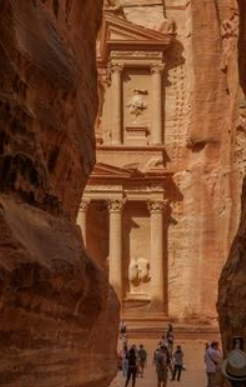
By: Katie Beason / Arab America Contributing Writer
A casualty of violent armed conflict in modern history is the destruction of historic material culture. This includes artifacts housed in museums to archeological sites vulnerable to wholesale destruction. The motivations for these activities range from looting for resale on the black market to the explicit destruction of a people’s history. Unfortunately, the impact is the same: armed conflict poses a significant and immediate threat to the preservation of artifacts and archeological sites.
The Economics of Looting
The black market of artifacts smuggling provides a massive revenue stream. This stream is accessed by non-state military organizations operating in the Middle East. This region houses the cradle of civilization and a treasure trove of priceless antiquities. The president of the Louvre Museum in Paris, Jean-Luc Martinez, estimates that “blood antiquities,” looted from museums and private homes, contributed to 15 to 20% of ISIS’s revenue. This amounts to millions of dollars, profiting off the destruction of Syria and Iraq to further their destruction.
Waging War on Culture
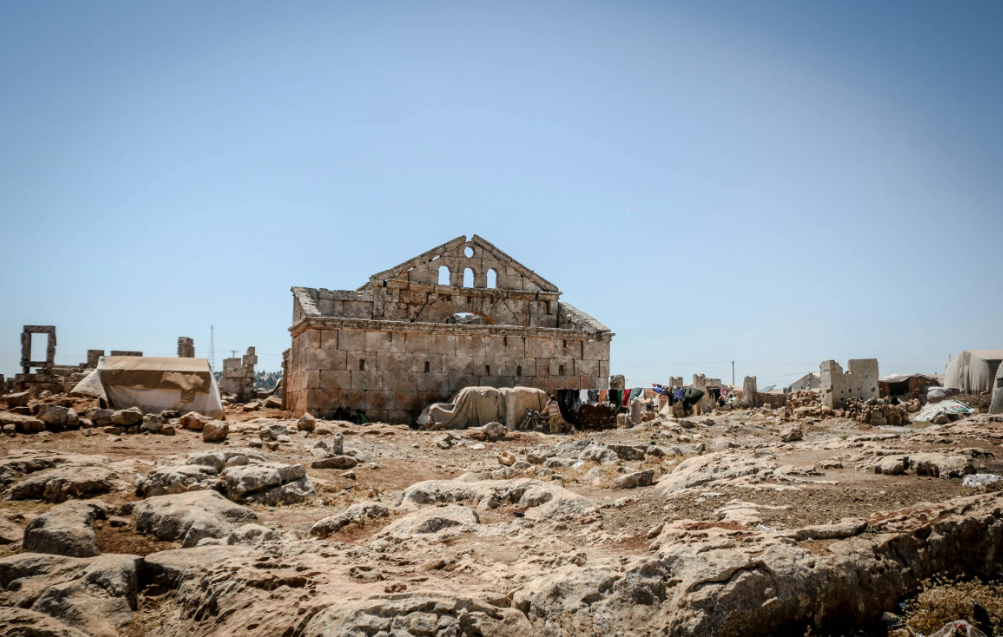
Beyond the economic motivations, the targeting of artifacts in armed conflict amounts to a strategy of “cultural cleansing.” In 2015, ISIS razed Mosul’s university library and bombed the central public library. They used bulldozers to destroy the historic city of Palmyra in Syria, a city with pre-Islamic roots. And in videos taken inside the Mosul Museum, the group smashed artifacts with hammers.
There is no economic benefit to these efforts. Rather, Irina Bokova, former director general of UNESCO, refers to these actions as “cultural cleansing,”. In an attempt to erase culture, she writes that the group intended to “deprive the Syrian people of their knowledge, their identity and history.” Former US Secretary of State John Kerry claimed that, by destroying evidence of Syria’s historical roots and material history, ISIS was not only stealing lives, but “stealing the souls of millions” of Syrians.
The Destruction
The destruction of archeological sites is typically caused by agricultural, commercial, or industrial efforts. It comes as no surprise that in wartime, an increased proportion of destruction is caused by looting and by military activity. Research in the Al-Hasakah Governorate of Syria found that military activity and the absence of authorities caused a significant increase in looting and military activities against archaeological sites, contributing to their irreversible destruction. “Military damage was visible” from satellite imagery alone, according to their research, as military damage is “often represented by clearance, using bulldozers or leveling.”
The Al-Hasakah research notes that in conflicts like that of the Syrian civil war, archaeological sites fall within areas held by “multiple military groups within very short periods,” so “it is difficult to attribute this damage to any one group.” Rather, their destruction can be broadly attributed as a consequence of armed conflict between multiple parties, whether or not any one group engages in their targeted destruction.
The Impact
From museums and archeological sites, countless artifacts have been looted as well, many of which have yet to resurface. Hobby Lobby, the craft store chain, was found to have been responsible for the smuggling of more than 17,000 artifacts out of Iraq and into the US, but this followed a US State Department investigation and subsequent multi-million dollar fine. This led to publicity, which led to pressure. Not all treasure troves are as lucky.
The looting of artifacts does more than fuel the efforts of militant groups. Museums and private collectors alike are often slow to repatriate looted artifacts, especially when their illegal provenance is muddied by years of black market movement. This means that, even after the conflict has subsided, there is a denial of dignity, particularly from the West towards developing nations. Countries like Iraq and Syria are deprived of the ability to manage and protect their own material culture and history, and thereby denied the dignity and independence of a healthy and respected people. The culture trauma of looting long outlives conflict because of current repatriation laws and the lack of respect for developing and formerly colonized nations. With artifacts and archeological sites destroyed by war, that dignity can never be restored.
The Future of Material History
The burden of preventing the sale of looted artifacts and their eventual repatriation falls on, most often, Western institutions, into whose laps these artifacts seem to fall. Furthermore, the definition of a war crime, which includes the deliberate destruction of archaeological and historic sites, needs to account for non-state actors, such as ISIS, committing similar attacks. And international efforts must be made, when possible, to prevent accidental damage to these sites.
These conflicts harm Middle Eastern nations and their connection to their history, but the history of the Middle East is the history of civilization and of culture. The responsibility to protect the material culture and artifacts from armed conflict should therefore be global.
Want more articles like this? Sign up for our e-newsletter!
Check out our blog here!