Subscribe
to receive news by email

Poll
Will the Trump Administration Shift U.S. Policy in Favor of Palestine?
- No (87%)
- Yes (13%)
 Loading ...
Copyright © 2026 Arab America
Go topDefunct Arab National Flags and Their Meaning

By Jake Harris/Arab America Contributing Writer
Since the creation of the modern nation-state, there have been symbols, motifs, and banners that have given empires, kingdoms, and republics a visual identity. Since the days of Muhammad and the foundation of the Rashidun Caliphate, the Arab world has had significant turnover when it comes to political boundaries. As a result, there is a long history of Arab flags changing over the years. Below are some examples of the evolution of Arab flags. Sometimes these changes coincide with regime change or political shifts. On other occasions, flags are simply changed to look more appealing.
Syria
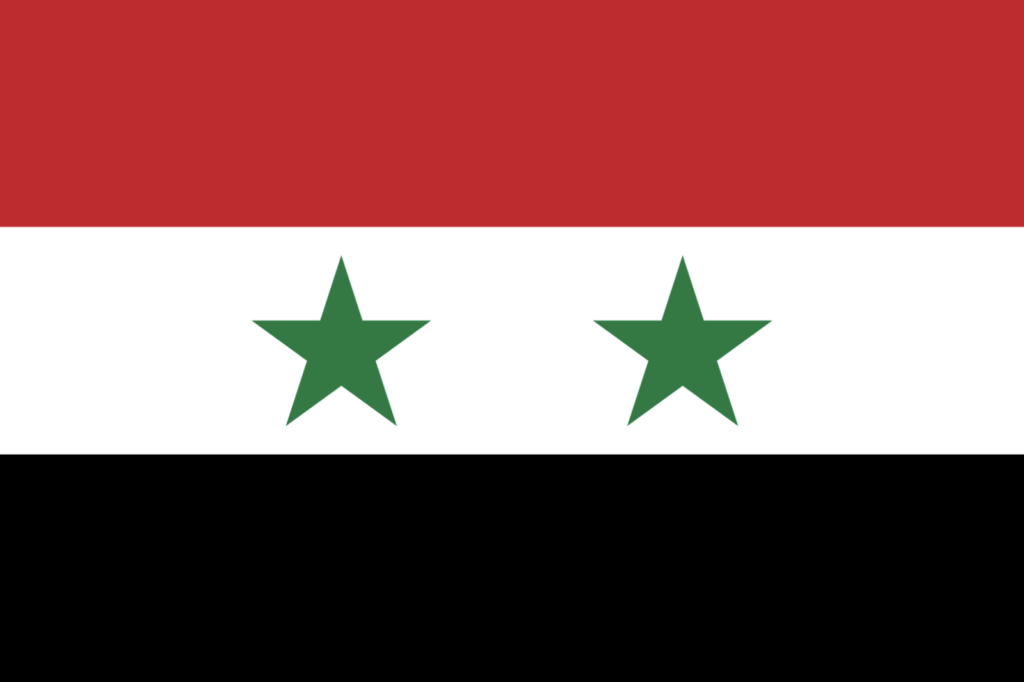
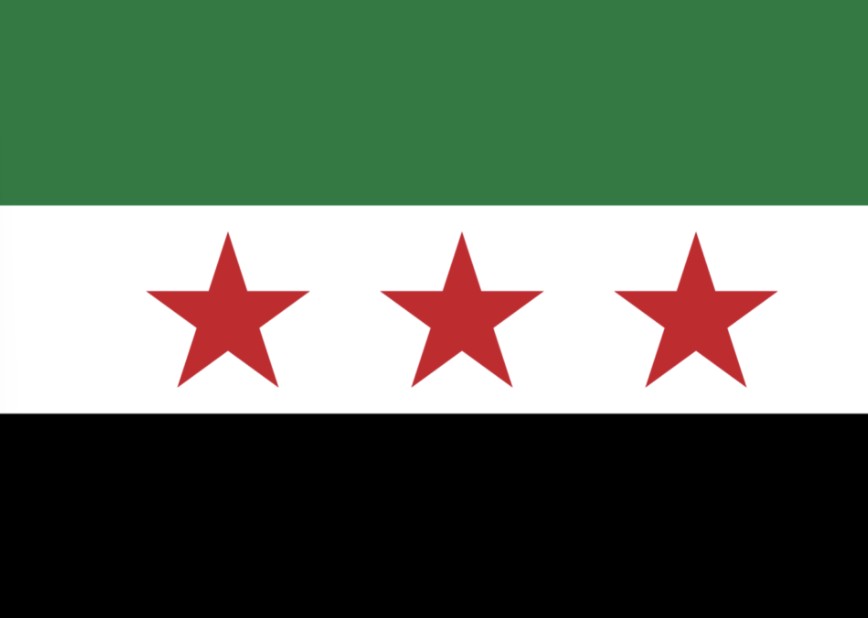
The most recent flag change in the Arab World took place just this past year, in 2024. The flag above is the flag of Syria under the regime of Bashar al-Assad. The resistance movement in Syria used the banner of an independence movement in the 1930s under French rule. The two-star design under Assad has its origins in the flag of the United Arab Republic, which was briefly used when Syria and Egypt were unified. The two stars represent Syria and Egypt.
Saudi Arabia
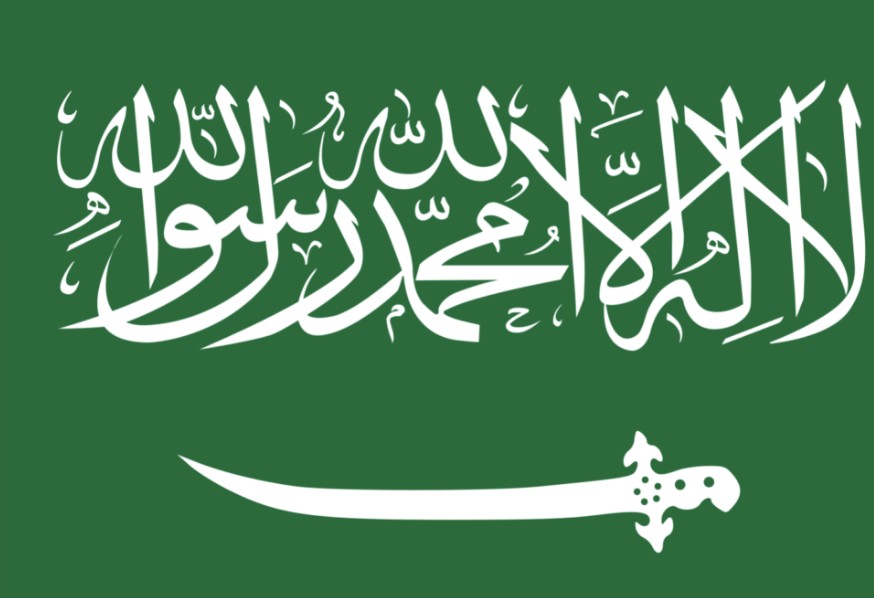
The next change is a very subtle one. The Kingdom of Saudi Arabia is the seat of Islam’s most holy cities. When the modern Saudi Arabian state was founded, the flag was always going to incorporate Islamic symbolism. The Arabic calligraphy reads “There is No God but Allah, Muhammad is the Messenger of Allah”. In 1973, a subtle change was enacted by Royal Decree. The sword that represents justice and Islamic law was straightened and confined to a smaller portion of the flag’s surface area. It was an effort to modernize the design and make the flag look more visually balanced.
Egypt
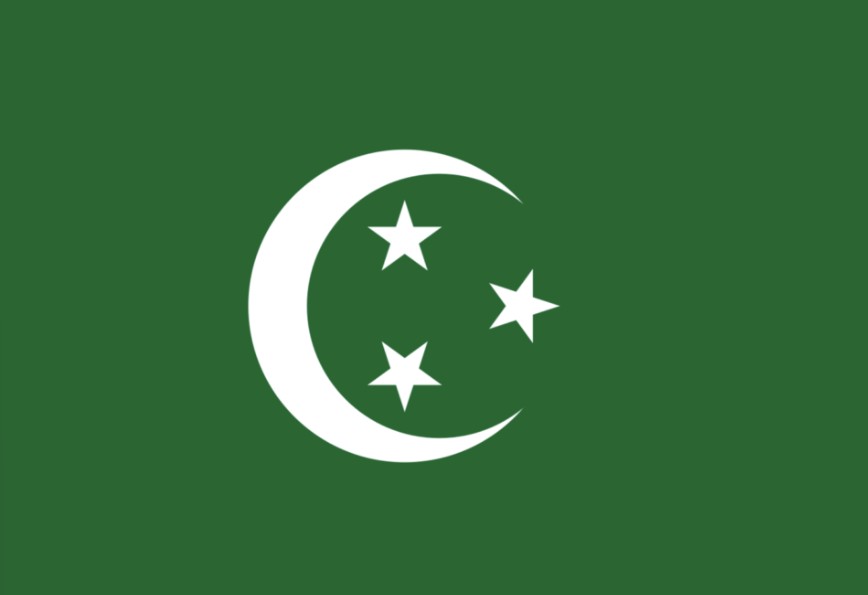
The Kingdom of Egypt, established in 1923 adopted a flag with a green background with a Crescent engulfing 3 stars. The Crescent represents the Islamic faith with the 3 stars symbolizing the Islamic, Christian, and Jewish communities that live in Egypt.
The modern flag of the Arab Republic of Egypt has its origins in the flags that immediately followed the end of the monarchy. It was an age of rising Arab Nationalism and incorporates the Red, Black, and White color scheme that we see in other Arab flags today. Yemen, Iraq, and Sudan have this color scheme. The black represents the Abbasid and Rashidun Caliphates. It is symbolic of Muhammed’s banner. The white represents the Umayyad Caliphate. The red represents the Hashemite dynasty. The Hashemites are a royal house who ruled Mecca for centuries and trace their lineage to the Prophet Muhammed. The red can also be interpreted to represent the blood shed in Egypt’s struggle against colonialism and oppression.
Libya

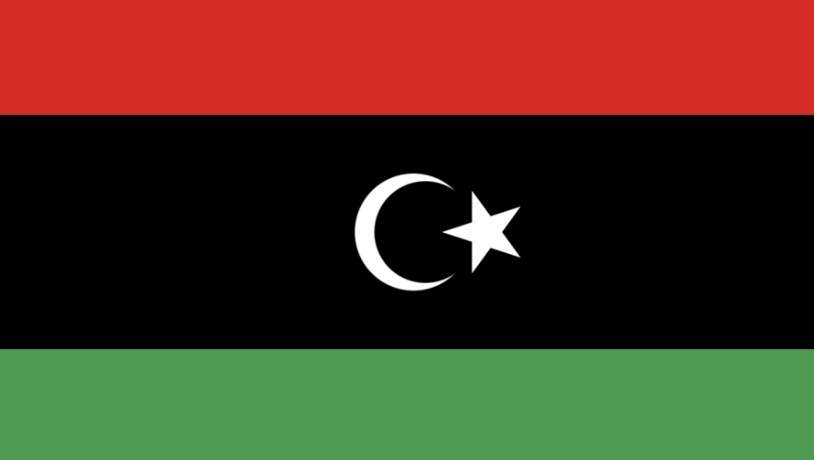
The fully green Libyan flag from 1977-2011 represents the flag of the nation under the rule of Moummar Gaddafi. The green background symbolizes Gaddafi’s “green revolution” and his “green book” which outlined his entire political ideology. When Gaddafi was overthrown in the Libyan Civil War, Libya changed it’s flag. The flag of the new Libyan state has a pan-african color scheme, but also represents Libya’s struggle for independence and the dark days of Italian rule. The crescent and star represent Islam. The current Libyan flag is a return to the flag of the Kingdom of Libya. It was the monarchy that followed Italian rule prior to Gaddafi’s coup in 1969.
Lebanon
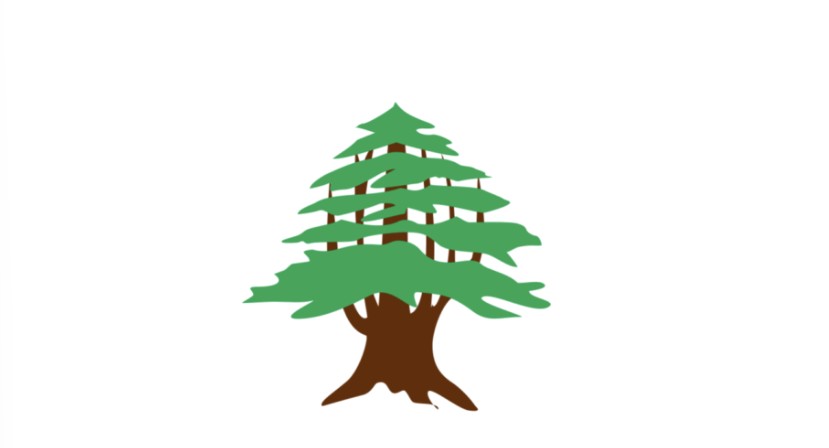
The flag of Lebanon has consistently utilized the symbolic cedar tree. Lebanon’s national symbol. Under French occupation the flag utilized the French Tricolor flag with the Cedar Tree in the middle, immediately following the fall of the Ottoman Empire, Lebanon had a white base to their flag.
Want more articles like this? Sign up for our e-newsletter!
Check out our blog here!