Subscribe
to receive news by email

Poll
Will the Trump Administration Shift U.S. Policy in Favor of Palestine?
- No (87%)
- Yes (13%)
 Loading ...
Copyright © 2026 Arab America
Go topFrom Dearborn to Beirut: Ford Cars Were Assembled in Lebanon
By: Ralph I. Hage / Arab America Contributing Writer
Let’s imagine it’s 1929 in Beirut for a moment. Amidst the city’s dusty, unpaved streets and horse-drawn carriages, you’ve caught glimpses of the Ford Model T around town. Its long, boxy form is unlike anything you’ve ever seen before—a fascinating metal carriage with windows and doors, elegantly gliding on four rubber wheels.
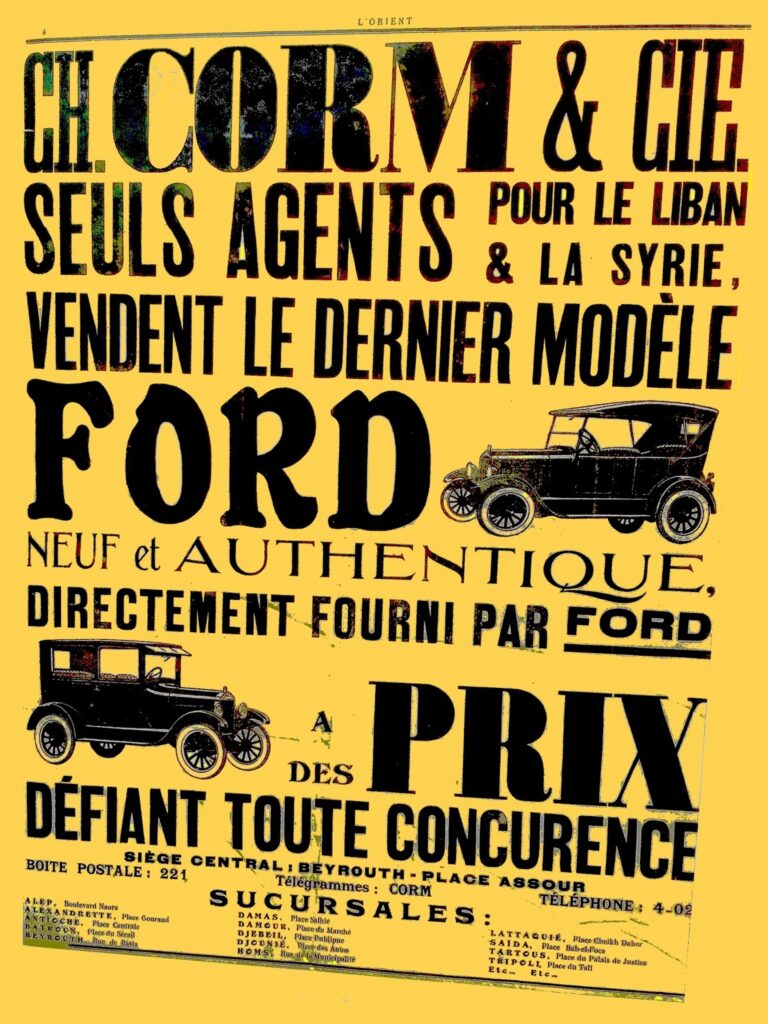
It’s much faster than the horse-drawn carriages you’re used to and far more prestigious—“a true mark of affluence and stature,” a friend recently said. Lucky for you, you have enough money to buy one, and just down the street is the main office of the Middle East dealership for Ford: Charles Corm & Cie.
One weekday, you take your horse-drawn carriage to Damascus Street and stop in front of a towering, white structure seven stories tall. It’s an Art Deco building that looks like something out of New York’s skyline. Around it are the rolling green hills of a still largely undeveloped sector of the city.
You make your way to the showroom to see the car up close. You don’t hesitate.
“I’ll take it!” you declare.
“Yes sir, of course,” replies the kind lady who has been helping you. You can tell she’s used to this reaction and realize they must sell a lot of them.
“When is the soonest you can deliver it?” you ask.
“The soonest delivery will be next month,” she replies.
“But why?” you ask, confused.
“The shipment just came in, and we are assembling the new vehicles in our workshop.” She smiles as she writes something in her ledger.
“Your workshop? Do you mean to say that these vehicles are being assembled right here in Beirut?”
“Yes sir, right here in the back garden.” She points to the window behind her.
“If you like, I can show you.”
“Yes, please.”
You step into a huge garden behind the white tower, only to find a small workshop on one side. Employees unpack wooden crates stamped with the Ford Company logo from Dearborn, Michigan. They remove the separate parts of the vehicles and begin assembling them before your eyes. You stand amazed.
Fast forward almost a century, and the only countries where Ford cars are now made are the United States, Mexico, and Canada. While the above sounds like something out of a novel, it’s not—in the early twentieth century, Ford cars really were assembled in Lebanon.
The story of how that came to be is the result of the efforts of Charles Corm, the Lebanese writer, industrialist, and philanthropist. While Corm’s story deserves its own article, it’s worth noting here how the vehicles came to be assembled in this small Mediterranean nation.
Charles Corm
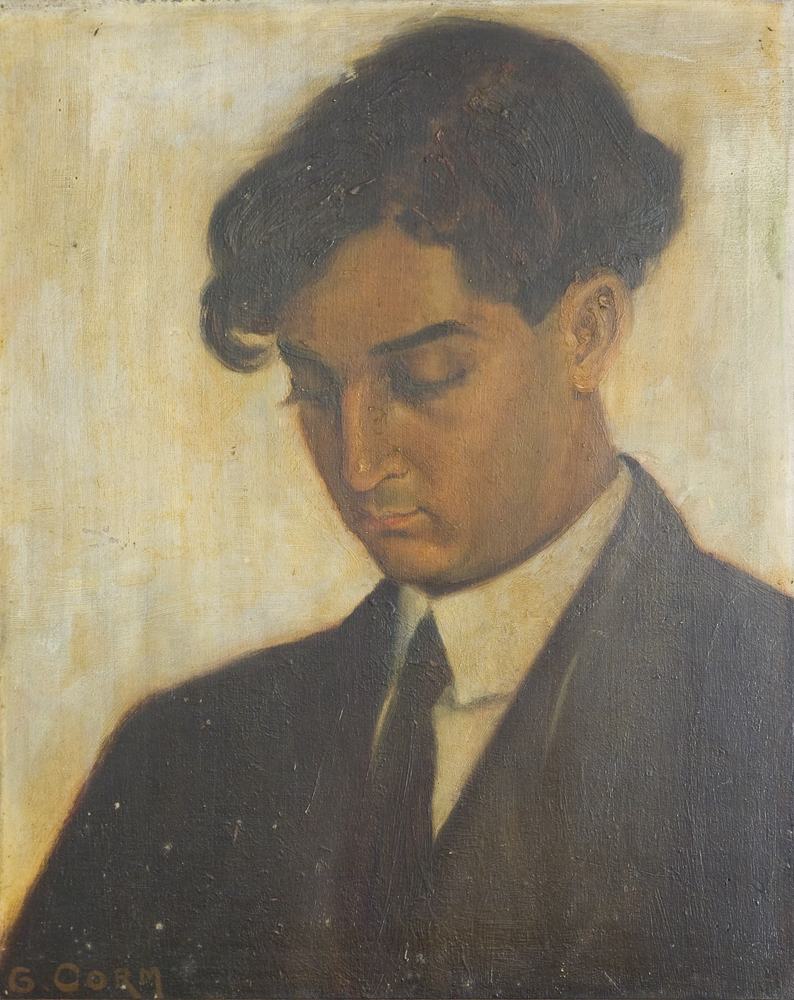
Charles Corm was born in 1894. After completing his education, he traveled to New York City at the age of eighteen in 1912. There, he established a small import-export office on Wall Street. Not long after, he had a pivotal meeting with industrialist Henry Ford, then the richest man in the world. In that meeting, Ford asked Corm where he was from.
“I’m from Lebanon, Mr. Ford,” said Charles.
“Where’s that on the map?” Ford asked while looking at a map in his office.
Corm quickly placed his finger on the image of his homeland.
“Do you even have roads in your country, son?” asked Ford.
Charles didn’t miss a beat. “For your cars, we will build roads!”
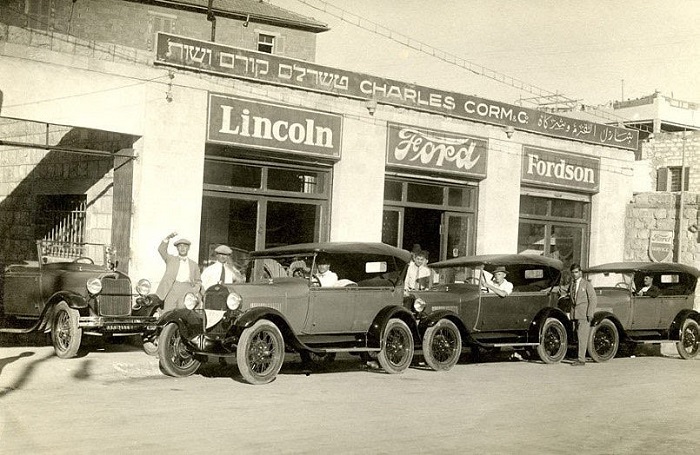
This encounter led to Corm securing the exclusive rights to represent the Ford Motor Company across the Middle East. His enterprise became one of the region’s first and most significant multinational corporations, employing thousands from Turkey to Iran and playing a major role in developing transportation infrastructure—roads, railways, and bridges—in emerging nations.
Retirement, Literature, and Philanthropy
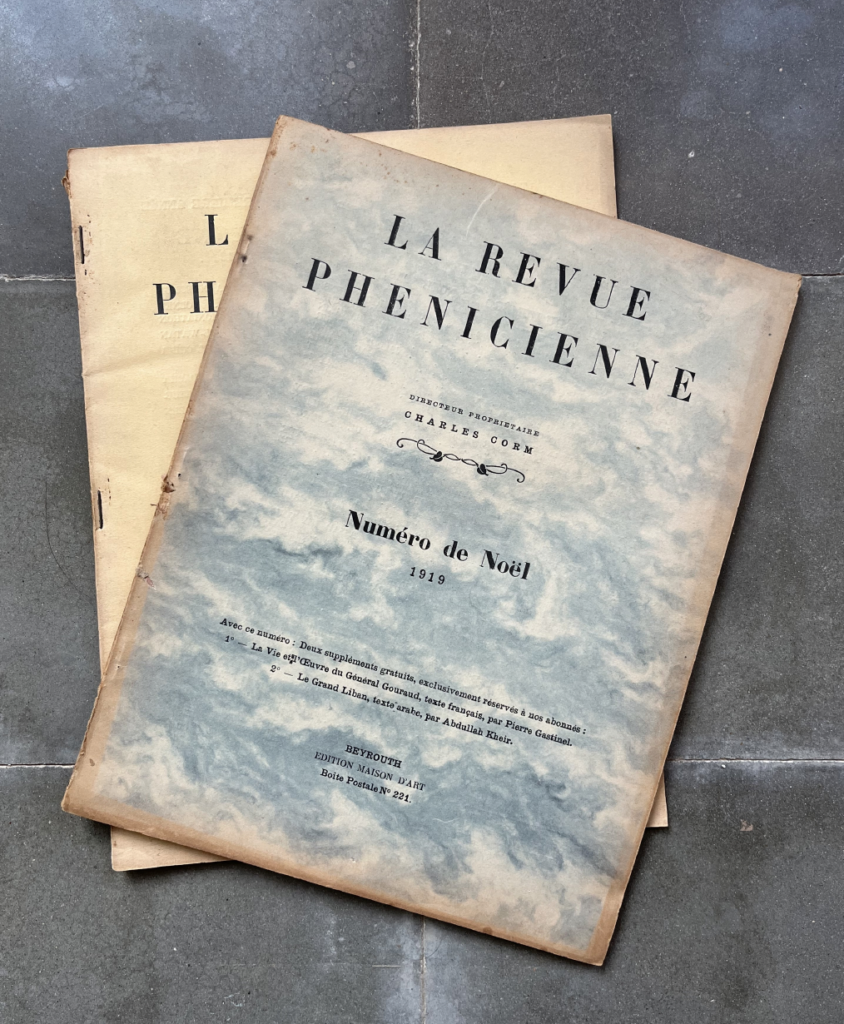
In 1934, on the occasion of his 40th birthday and feeling content with his entrepreneurial successes, Corm decided to devote his life to literature and philanthropy. He distributed the agencies among his employees and transformed his business headquarters into the family home.
It was here that he established the headquarters of La Revue Phénicienne—a French-language journal he founded in 1919—within the same building. Over time, the space evolved into a hub for contemporary intellectuals and cultural figures, including Hector Khlat, Said Akl, and Michel Chiha.
Destroyed and Rebuilt
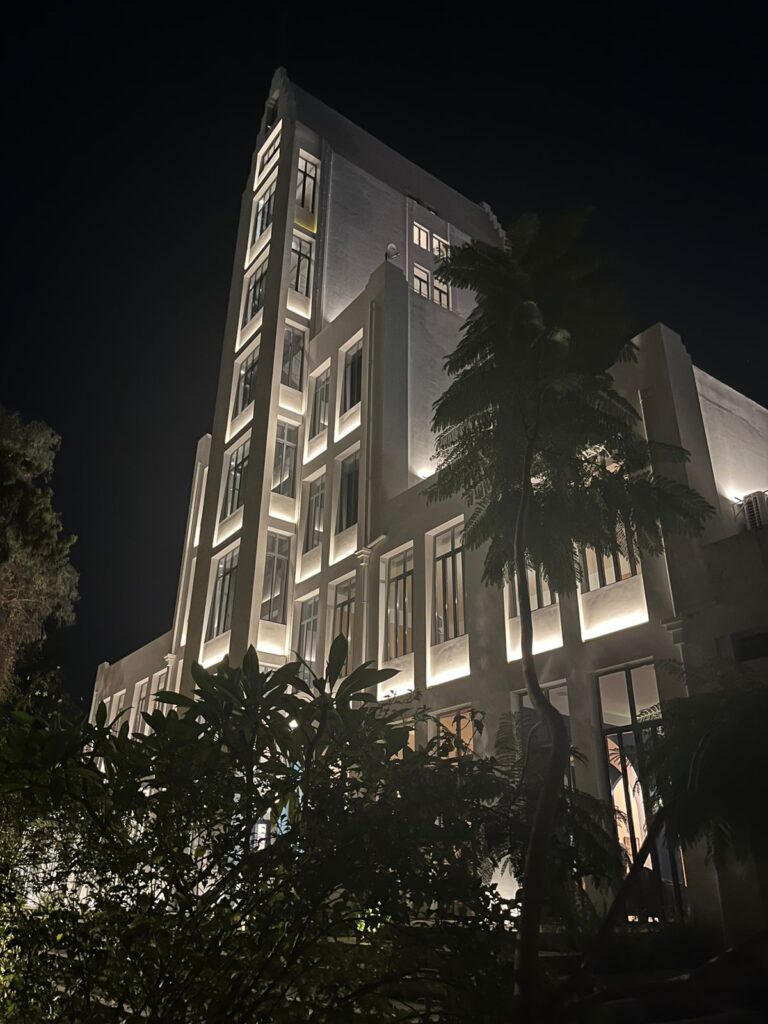
Following Corm’s passing in September 1963, his family continued to reside in the building until September 1975, when wartime rocket attacks led to a fire that forced their departure.
During the Civil War, militias occupied and ransacked the premises, leaving it neglected for many years. It wasn’t until the late 1990s that his sons, David and Hiram, returned and revived La Revue Phénicienne, assuming leadership of the publication.
More recently, they established the Fondation Charles Corm (or the Charles Corm Foundation in English) to promote and support the cultural and natural heritage of Lebanon in partnership with Saint Joseph University. The foundation organizes a variety of cultural events aimed at preserving and promoting Lebanon’s heritage. Its activities include exhibitions highlighting the work of female artists and literary achievements, roundtable discussions on Lebanese history and culture, book signings and panel discussions featuring writers and thinkers, theatrical productions, and art contests designed to encourage creativity and foster cultural dialogue.
Next time you are in Beirut, be sure not to miss it. The Ford assembly warehouse is now gone, but Corm’s artistic and entrepreneurial legacy is very much alive.
See the Charles Corm Foundation website here.
Ralph Hage is a Lebanese American architect who divides his time between Lebanon and the United States.
Want more articles like this? Sign up for our e-newsletter!
Check out our blog here!