
Subscribe
to receive news by email
Poll
Will the Trump Administration Shift U.S. Policy in Favor of Palestine?
- No (87%)
- Yes (13%)
 Loading ...
Copyright © 2026 Arab America
Go topIn A Sea of Fake Olive Oils, Real Liquid Gold is Made in Palestine
By: Blanche Shaheen/Arab America Contributing Writer
The Problem of Counterfeit Olive Oil + Why Real Extra-Virgin from like Canaan Matters
The global olive oil market has long suffered from fraud, adulteration, and mislabeling. Counterfeit practices include blending cheaper oils with olive oil and adding artificial green dyes to make them look authentic. Fraudulent companies will also mislabel their descriptions, putting “extra virgin” or even a different country of origin. As far as production they will use heat, oxidation, chemical solvents, and bad storage which degrade the quality. Some producers even sell old oil from past harvests or store the oil in clear containers exposed to light, which accelerates spoilage.
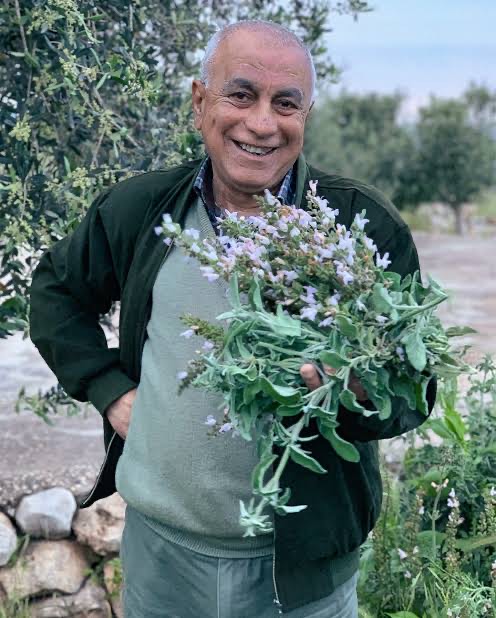
Palestinians regard olive oil production as a symbol of their identity and pride, and one company that preserves this tradition for producing extra virgin olive oil is Canaan Palestine. (link: https://canaanpalestine.com/ Canaan is both certified organic and fair trade. The olives are picked by hand, from small farms, and cold pressed without excessive heat or chemicals.. This preserves the flavor, health benefits, and true “extra-virgin” characteristics.
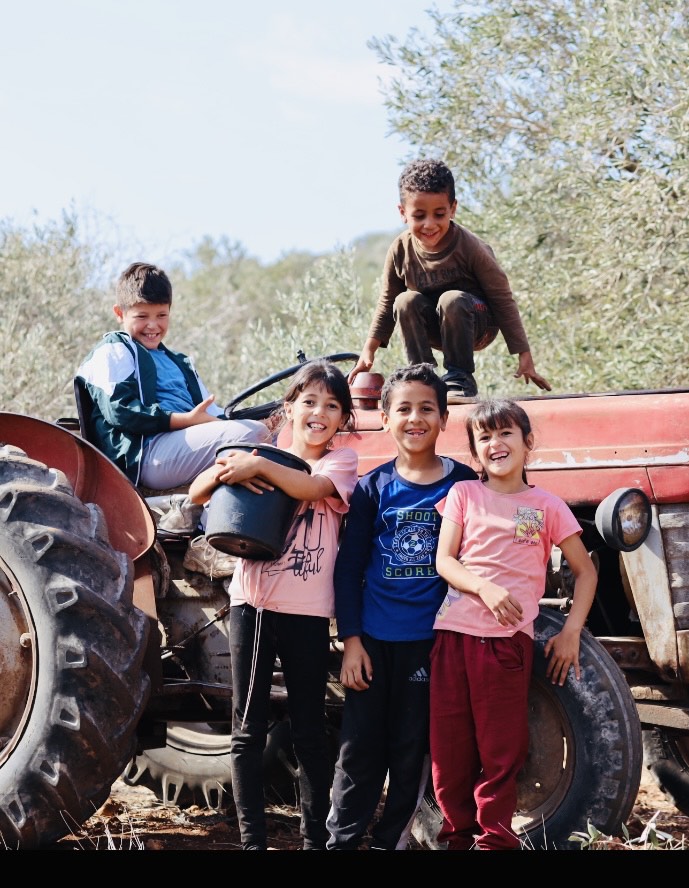
Canaan Palestine is a social-enterprise founded by Dr. Nasser Abufarha in 2004. He works with cooperatives of small, often marginalized farming families (through the Palestine Fair Trade Association, or PFTA). Key features of their fair trade practices include:
- Fair price plus premiums. Farmers don’t just sell at the lowest market price; they receive fair trade premiums and an organic premium. Part of that premium goes back to the villages for community development, so the benefit is shared.
- Purchase guarantee. Canaan commits to buying the farmers’ harvest, even in lean years. This stability matters when weather, politics, or access disrupt farms.
- Organic / sustainable farming. Many of the cooperatives are certified organic, and Canaan helps farmers adopt sustainable practices: caring for soil, minimizing chemical inputs, and protecting biodiversity
- Local processing, local benefit. The olives are pressed, bottled, and packaged in Palestine. This means more of the economic value stays there.
Because of this fair trade model, Palestinian farmers get a stable and better compensation. This stability and livelihood trickles to their communities, enabling better infrastructure, education, and resources for women’s cooperatives.
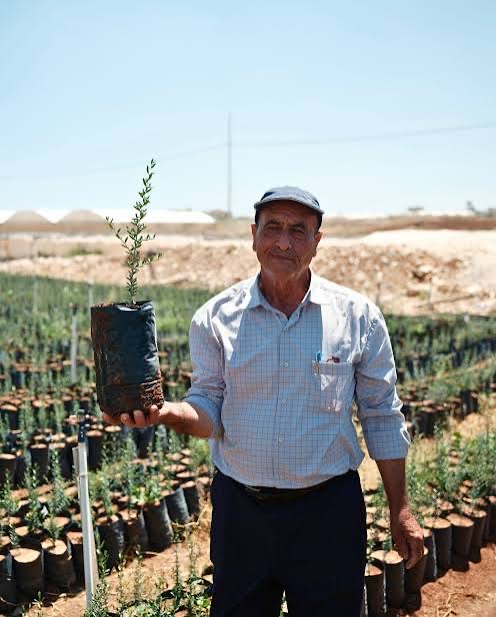
The preservation of ancient olive trees, less chemical usage, and sustainable land care is a huge benefit to the environment. This fair trade practice also yields bonus health benefits, preserving the polyphenols, antioxidants, and anti-inflammatory compounds in the oil. If the oil is degraded or adulterated, much of this benefit is lost.
In short: fair trade isn’t just about paying more; it’s about dignity, sustainability, security, resilience. To learn more about fair trade in Palestine and see the full interview with Dr. Nasser Abufarha, watch the video below:
COOKING TIPS USING DIFFERENT TYPES OF OLIVE OIL:
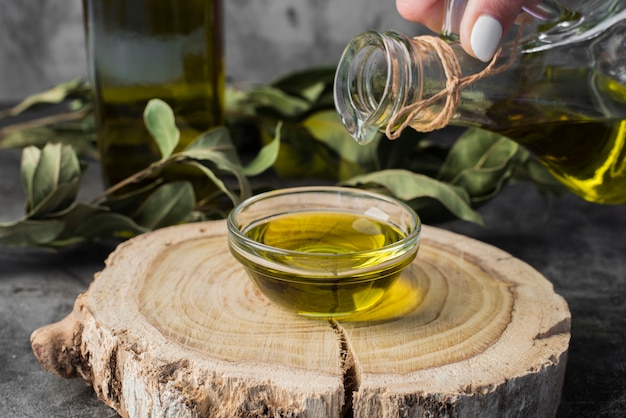
Did you know the same brand of olive oil can have different flavor characteristics depending on when the olives are harvested? The early harvest olive oil is the most robust, with fresh fruitiness up front, moving into tangy, then bitter, then ending with a spicy, peppery finish. Use this deep and pungent variety when you want the olive to be a star. Use as a dipping olive oil with fresh bread, to finish bold dishes, in sautéing garlic-heavy sauces, or over red meats or strong vegetables like eggplant.
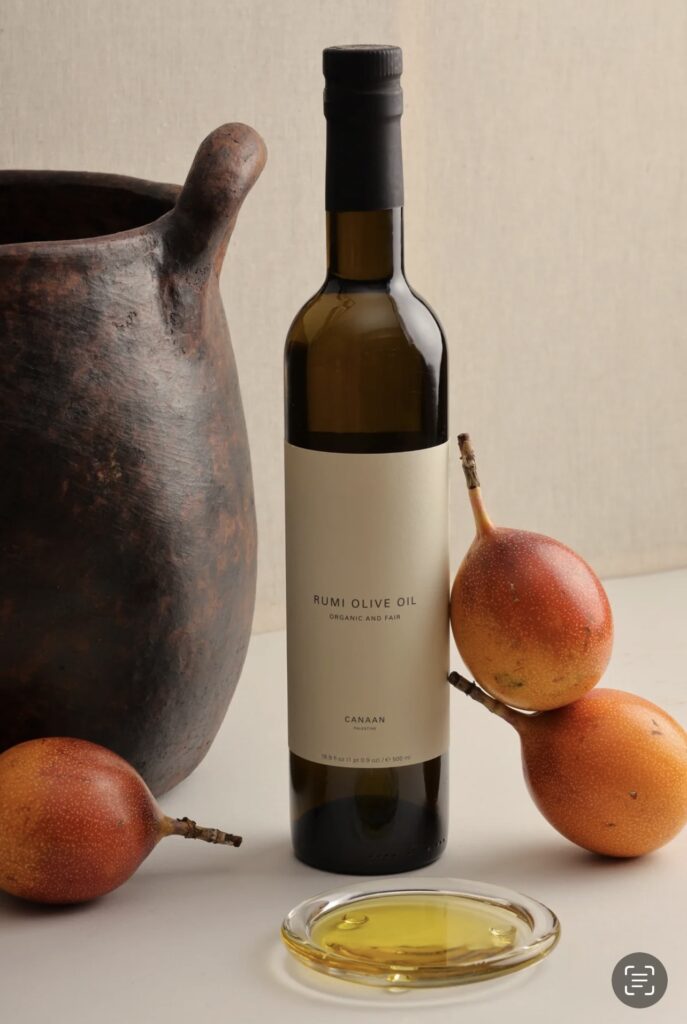
An example of an early harvest oil is Rumi: https://www.awin1.com/cread.php?awinmid=118195&awinaffid=2614132 ,
Often olive oil farms have a harvest blend, a combination of oils from every phase of the harvest. This oil should be fresh, green, and fruity with a rich peppery finish. This oil has depth, some bitterness and complexity because it blends early harvest “spicy bite” olives with later harvest milder ones. This kind of olive oil is great in salad dressings, drizzling over roasted vegetables, or finishing soups.
An example of a harvest blend is the Jenin Olive oil: https://www.awin1.com/cread.php?awinmid=118195&awinaffid=2614132
Finally, there is the late harvest olive oil, which should be smooth, delicate, sweet and fruity, and lighter in bitterness and pepper than early harvest oils. This oil has buttery or creamy undertones, but is still vibrant. Late harvest oils are best for gentle uses like vinaigrettes, drizzling over salads, hummus, baba ghanoush, mild fish or white meat, or simply with bread. If you want olive oil that complements rather than dominates, late harvest is your go-to!
An example of late harvest oil is the Nabali: https://www.awin1.com/cread.php?awinmid=118195&awinaffid=2614132
When you support fair trade products, you support authentic production that also supports small farmers, rural economies, and safeguards against displacement. In a global market rife with fraud, buying from trustworthy and ethical sources helps to raise standards. When more consumers care, producers who adhere to good practices are rewarded, and the market adjusts. When you support small farmers you help in preserving ancient trees, ensuring a fair price, and choosing authenticity over imposter bottles.
Blanche Shaheen is an Emmy Award winning journalist, host of the YouTube cooking show called Feast in the Middle East, and cookbook author. For more authentic and classical Middle Eastern recipes, you can purchase her cookbook, “Feast In the Middle East here: https://secure.mybookorders.com/mbo_index.php?isbn=9781545675113 For her cooking video tutorials, visit https://www.youtube.com/user/blanchetv Her recipes can also be found at https://feastinthemiddleeast.wordpress.com/
Want more articles like this? Sign up for our e-newsletter!
Check out our blog here!