Subscribe
to receive news by email

Poll
Will the Trump Administration Shift U.S. Policy in Favor of Palestine?
- No (87%)
- Yes (13%)
 Loading ...
Copyright © 2026 Arab America
Go topThe Labbadeh: Symbol of Lebanon

By: Robert Jackson / Arab America Contributing Writer
The labbadeh, also spelled labbade, is a men’s hat that has been a part of Lebanese culture since ancient times. It is a conical cap, made from wool, is often worn with a scarf wrapped around it. Although its design has changed slightly over the millennia, the core aspects have remained the same. The cap remained popular across generations due to its practicality. It is made from sheep’s wool, is waterproof, and is resistant to the cold, making it particularly suited to the mountainous terrain of Lebanon.
History
The labbadeh is a truly ancient piece of Lebanese culture. There is sculptural evidence of the Labbadeh dating back to the Bronze Age. Statuettes depicting figures wearing the labbadeh have been found throughout the Levantine Region. One particularly notable discovery in Byblos in modern day Lebanon, recovered thousands of labbadeh wearing figures. It is possible that the hat’s origin is even older. The origin of the name is unclear with some claiming the name originates from the Lebanese Arabic word “libada” meaning to beat, referring to the process of beating wool and others claiming it comes from the word “labd” meaning felt. Either way, a garment popularized in ancient Phoenicia is old enough that the name’s true origin will likely remain a mystery.
Politics
By the mid-1800s, the labbadeh began to take on political overtones. During the Kisrawan Revolt of 1858 around Mount Lebanon, the labbadeh was worn by rebel leaders and commoners alike as a sign of solidarity and resistance against Ottoman oppression. It became emblematic of egalitarianism, contrasting with the tarboush, otherwise known as the fez, which had Ottoman origins. While the tarboush suggested allegiance to empire and status, the Labbadeh communicated local identity. This connotation persisted well into the 20th century, making the labbadeh a symbol of national pride. In today’s Lebanon, where identity is often contested and politicized, the labbadeh offers a unifying symbol of heritage. It is a symbol that transcends religious, political, and geographic divides. It can be worn by Lebanese of all backgrounds, and in a country that has weathered decades of hardship, the labbadeh offers a symbol of a more united Lebanon.
In Art
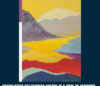
Lebanese artists have often drawn on the image of the labbadeh to evoke nostalgia, dignity, and heritage. It often appears as a sign of the noble peasant or the wise elder. Painters such as Mustafa Farroukh, included labbadeh-wearing figures in depictions of village life. One of his paintings can be found at the top of this article. More recently, contemporary visual artists have used the labbadeh to contrast tradition and modernity in Lebanese society.
Modern Significance
The labbadeh’s use dwindled in the last half of the 20th century for everyday wear. Western clothing, urbanization, and changing lifestyles pushed traditional garb to the margins. Younger generations viewed it as an artifact of the past. However, in recent decades, there has been a resurgence of interest in the labbadeh, driven by a broader cultural renaissance in Lebanon. A few committed artisans have kept the tradition alive, but they admit it is most popular among tourists or those who want a memento. It is not seen as a piece to wear, but instead something to display. Nevertheless, it now appears at cultural events, often paired with other traditional dress to promote the traditional culture of Lebanon. In an era of globalization, the Labbadeh has become a part of cultural affirmation and a way for Lebanese people, especially those in the diaspora, to reconnect with their roots.
More Than a Hat
At first glance, the Labbadeh may seem like just a hat. A relic of rural dress relegated to history books and museums. But in truth, it is a powerful symbol of Lebanese heritage. It embodies the lifestyle and endurance of a people who have carved a life from the mountains. It should be remembered, not as a tourist’s souvenir, but as a cultural heirloom, passed down by countless generations of Lebanese. In celebrating the Labbadeh, Lebanon reclaims not just a garment, but a vision of itself.
Works Cited
- https://english.aawsat.com/home/article/4171651/lebanese-mountains-hatmaker-keeps-ancient-skill-alive
- https://thezay.org/the-tarboosh-a-history-of-change
Want more articles like this? Sign up for our e-newsletter!
Check out our blog here!