

Subscribe
to receive news by email

Poll
Will the Trump Administration Shift U.S. Policy in Favor of Palestine?
- No (87%)
- Yes (13%)
 Loading ...
Copyright © 2026 Arab America
Go topLebanon's Water Crisis - A Fixable Problem That Needs Urgent Attention

By: Ralph I. Hage/Arab America Contributing Writer
Clean drinking water is a basic human right — and ensuring it is not as difficult as we might think. A recent Lebanese study provides a clear diagnosis of the country’s water problems, and more importantly, it identifies solutions that are within reach.
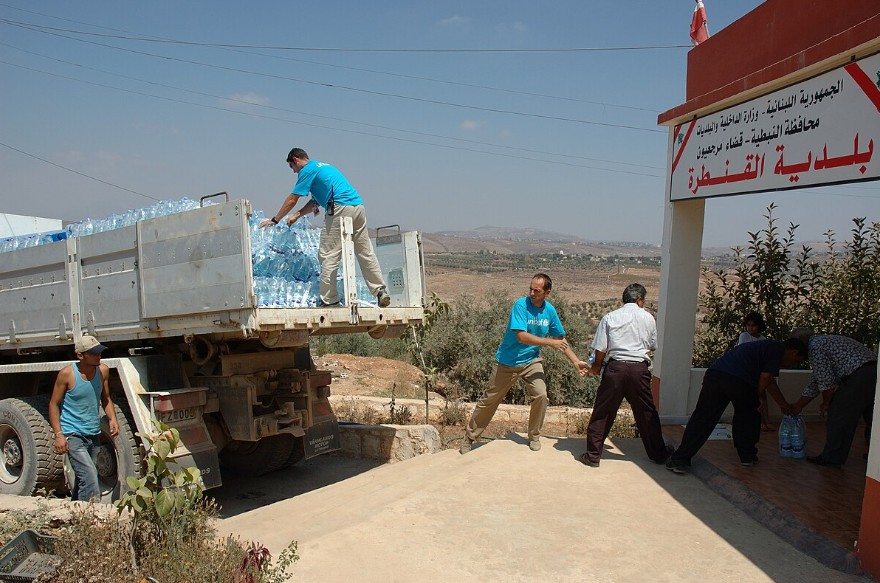
Researchers from across Lebanon tested 200 water samples from five governorates — Nabatieh, Beqaa, Mount Lebanon, Baalbek-Hermel, and South Lebanon — and found that every single water source contained some form of contamination, whether chemical or microbial. The study looked at water from household taps, bottled water, wells, springs, and filtration stations.
That may sound alarming — but the good news is that the solutions are simple and attainable. Better water filtration, regular testing, improved storage, and public awareness can make a major difference — quickly and affordably.
What Did the Study Find?
1. High Phosphate Levels Everywhere
The biggest chemical issue? Too much phosphate, found in every region and every type of water. High phosphate levels can encourage bacterial growth and are usually the result of agricultural runoff or outdated water filters. But they’re also easily managed with the right equipment and regulations.
2. Microbial Contamination is Common-but Fixable
Bacteria like total and fecal coliforms, Streptococcus, and Pseudomonas Aeruginosa were found in many samples — including some bottled water brands. These microbes indicate contamination from soil, sewage, or poor storage. While not always life-threatening, their presence means the water isn’t truly safe — especially for children, the elderly, or those with weak immune systems.
3. Bottled Water Isn’t Always Better
Surprisingly, even bottled water — considered the “safe” option by many Lebanese — showed signs of bacterial contamination. This likely stems from poor sterilization or improper storage, not the water source itself. The solution? Stronger oversight and quality control.
Region-by-Region: No Governate Was Contamination-Free

- Baalbek-Hermel had the highest nitrate levels, likely from fertilizers seeping into the water supply.
- Nabatieh showed the highest levels of total dissolved solids and bacterial contamination.
- South Lebanon had the highest Streptococcus levels.
- Mount Lebanon and Beqaa, while smaller in sample size, still revealed unsafe levels of coliform bacteria.
Despite these differences, the overall message was clear: No region had water that was completely clean.
What’s Causing the Problem?
Lebanon’s water issues are tied to bigger challenges: outdated infrastructure, lack of regular testing, weak regulations, and economic hardship. Many water treatment stations don’t replace filters often enough, and private water suppliers aren’t always monitored.
But this isn’t a mystery that needs years of research to solve. We already know what needs to be done.
The Path Forward: Simple Solutions
Here’s what researchers and public health experts recommend:
- Routine testing and enforcement: Government and private providers must regularly check water quality and comply with safety standards.
- Better filter maintenance: Filtration stations should change filters on schedule to prevent chemical buildup.
- Public awareness campaigns: Educating people on how to clean their home tanks, sterilize dispensers, and store water properly can prevent contamination.
- Stricter oversight for bottled water: Ensuring all brands follow sterilization and storage standards can restore trust in bottled water.
These are practical, low-cost changes — and they can dramatically improve public health across Lebanon.
A Call to Action
For anybody with ties to Lebanon, this study is more than a report — it’s a call to act. Whether by supporting local NGOs, advocating for better infrastructure, or simply spreading awareness, Lebanese at home and in the diaspora can play a vital role in ensuring that all Lebanese have access to clean, safe water.
Final Thoughts

Yes, Lebanon’s water is contaminated — but this is not a hopeless crisis. It’s a manageable problem with clear, proven solutions. What’s needed now is public pressure, political will, and community action. Access to clean water shouldn’t be considered a luxury — it’s a basic human right — and it’s time to make it a reality in every home.
—
Source: Fahes et al. (2024). “Chemical, physical and microbiological analyses of different drinking water sources among diverse governorates in Lebanon.” PMC11950160
Ralph Hage is a Lebanese American architect who divides his time between Lebanon and the United States.
Want more articles like this? Sign up for our e-newsletter!
Check out our blog here!