

Subscribe
to receive news by email

Poll
Will the Trump Administration Shift U.S. Policy in Favor of Palestine?
- No (87%)
- Yes (13%)
 Loading ...
Copyright © 2026 Arab America
Go topLibya's Architecture: Eclectic Reflections of Culture and History
By: Ralph I. Hage / Arab America Contributing Writer
Libya, located in North Africa, has a rich architectural heritage that reflects its diverse historical and cultural influences. From ancient Phoenician and Roman structures to Islamic and Ottoman designs, Libyan architecture is shaped by its long history and harsh environment. This article examines the key aspects of traditional Libyan architecture, focusing on its historical evolution, environmental adaptation, and regional variations.
Historical Evolution of Libyan Architecture
Libya’s architectural development is deeply rooted in its diverse historical periods, with each civilization contributing to its built environment.
Roman Influence
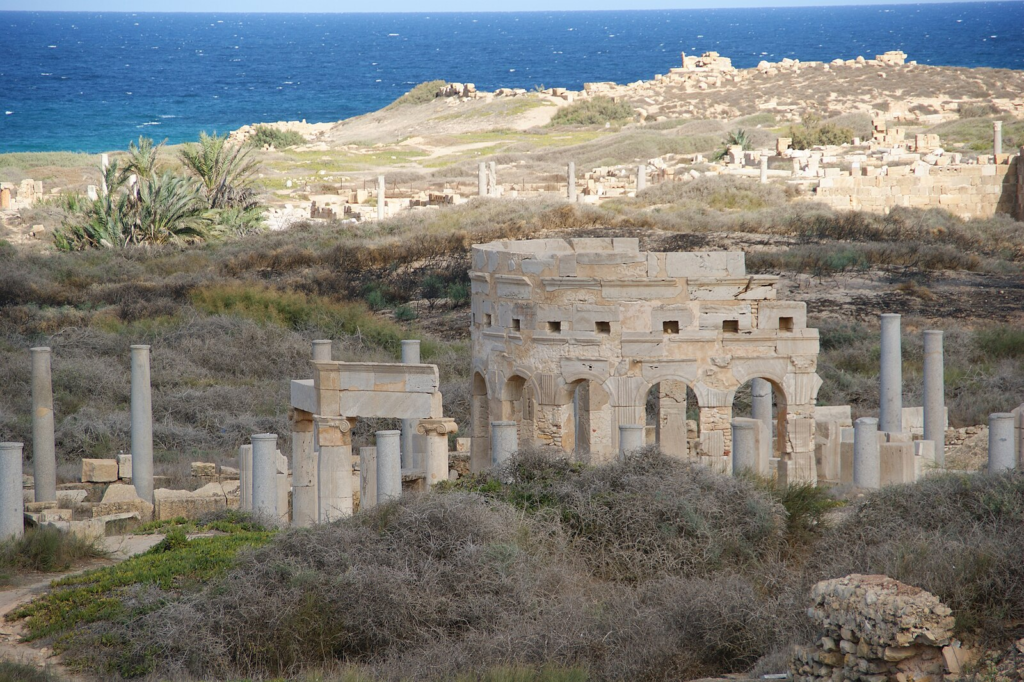
The Roman period left a lasting mark on Libyan architecture, particularly in cities like Leptis Magna and Sabratha. Roman architects introduced monumental public buildings, including baths, theatres, and temples, which used arches, columns, and mosaics. The Roman ruins of Sabratha, for instance, display impressive structures, demonstrating Roman engineering skills and aesthetic elegance. These buildings were not only functional but also served as symbols of power and sophistication, blending beauty with utility.
Islamic Influence
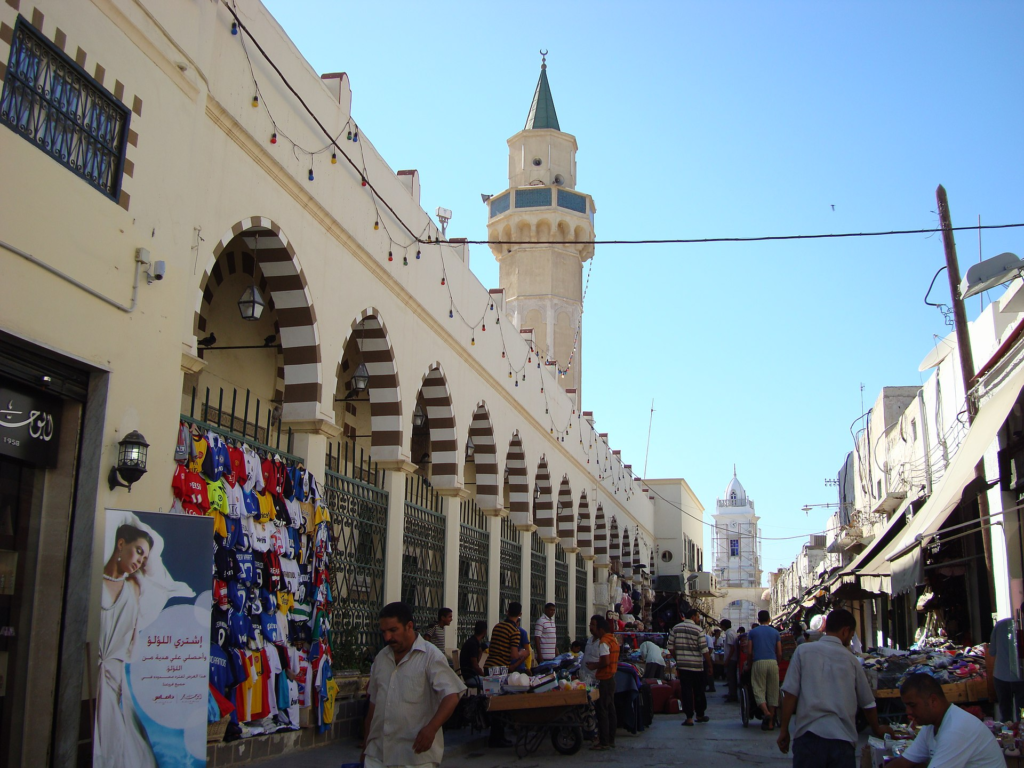
The arrival of Islam in the 7th century brought significant changes to Libyan architecture. Islamic design principles emphasized geometric patterns, symmetry, and simplicity, which became central to the construction of mosques and public buildings. The Ottomans, who controlled Libya from the 16th to the 20th century, further shaped the architectural landscape by incorporating Turkish and Persian influences. In Tripoli, for example, Ottoman-era mosques and caravanserais blend traditional Libyan styles with Ottoman elements, creating a unique architectural identity.
Climatic and Environmental Adaptations
Libya’s architecture is strongly influenced by its harsh desert climate and Mediterranean coastline. The country’s built environment reflects a deep understanding of how to adapt to these environmental challenges.
Cooling Strategies
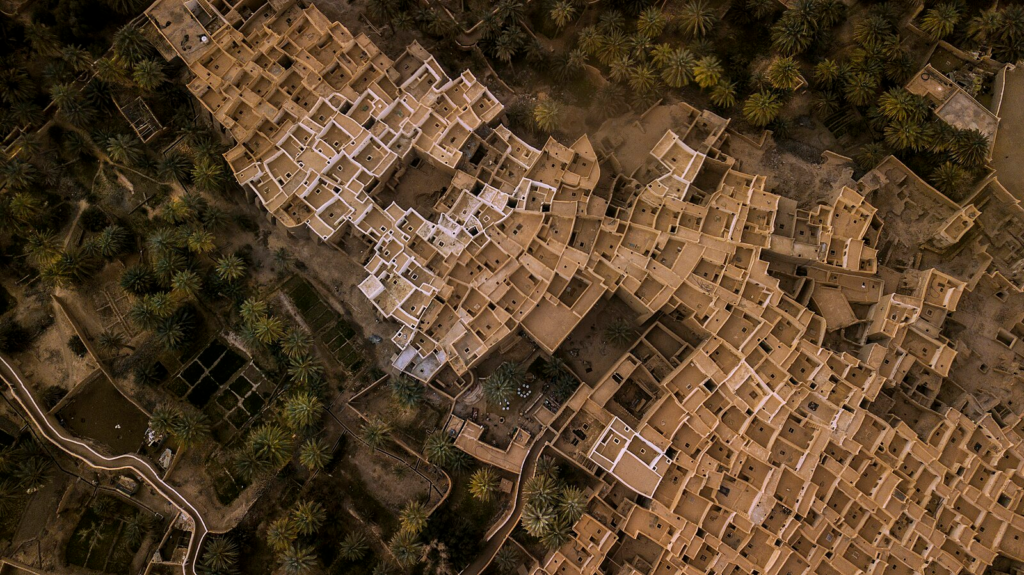
In the desert regions, traditional Libyan homes were often built with thick mud-brick walls, which provided excellent thermal insulation. These walls absorbed heat during the day and released it at night, helping to maintain a stable indoor temperature. The small windows common in these homes minimized sunlight and heat intake, a design strategy aimed at reducing interior temperatures. Such buildings were designed to stay cool during the day and warm during the night, making them energy-efficient and well-suited to the desert climate.
Courtyards and Roof Spaces
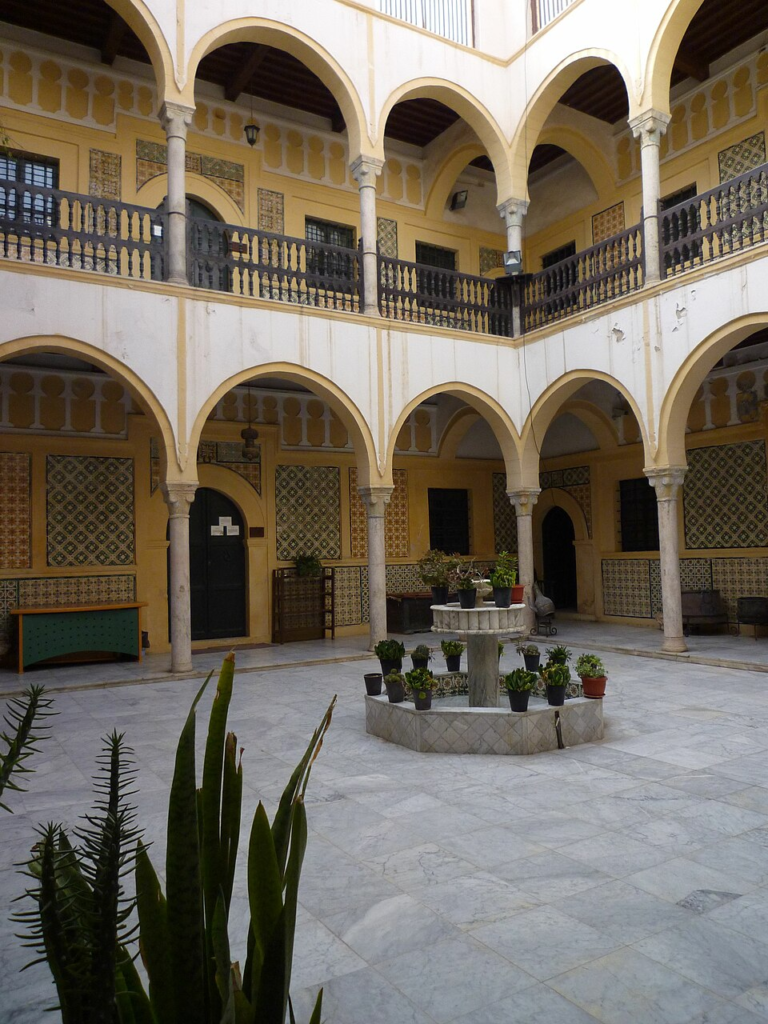
Many Libyan homes, especially in urban areas, feature central courtyards. These open spaces provided light and ventilation while also offering privacy and a retreat from the busy streets. Courtyards were often planted with trees, providing shade and creating a microclimate that helped cool the surrounding rooms. Water features, such as small fountains or ponds, were common and added to the cooling effect. In addition, the flat roofs of Libyan homes, especially in rural areas, were used as living spaces during cooler evenings. The roofs also helped collect rainwater and provided a vantage point to observe the surrounding environment.
Regional Variations in Libyan Architecture
Libya’s architecture varies significantly across its regions, reflecting local climates, cultural influences, and historical contexts.
Coastal Cities: Tripolitania and Cyrenaica
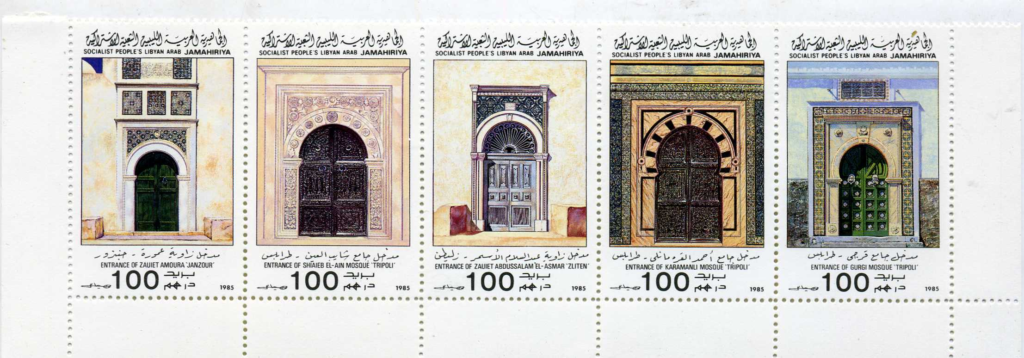
In the coastal region of Tripolitania, where the capital Tripoli is located, architecture blends Mediterranean and Islamic influences. The medina of Tripoli is characterized by narrow streets, ornate wooden doors, and intricate courtyards, which are typical of Ottoman-era architecture. The use of limestone and the presence of domed roofs and arches are common features in the city’s buildings. The Ottoman influence is especially evident in the design of palaces and mosques, which combine both decorative and functional elements.
In the eastern region of Cyrenaica, cities such as Benghazi and Derna reflect Mediterranean and Italian colonial influences. The Italian occupation in the early 20th century introduced cement as a building material, creating a contrast with traditional mud-brick structures. The region is also known for its use of bright colors and open courtyards, blending North African traditions with European styles.
Desert and Oasis Architecture: Fezzan
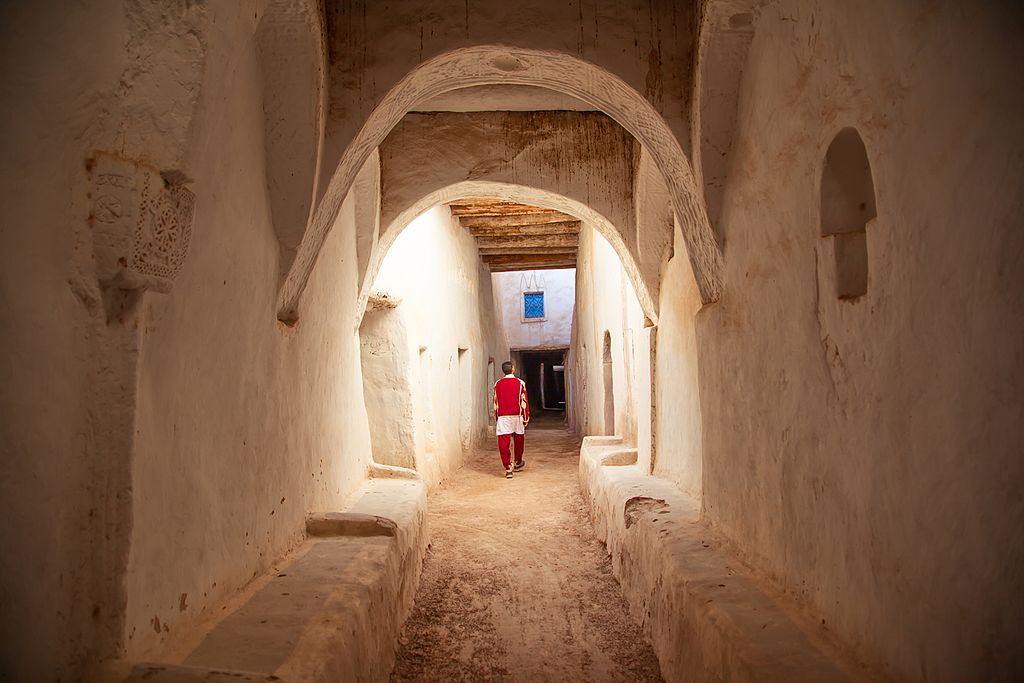
The southern region of Fezzan, which lies in the Sahara Desert, features architecture adapted to extreme heat and arid conditions. Towns like Ghadames and Jalu are built around fortified walls known as kasbahs, which provide protection from both the harsh desert environment and potential invaders. These structures are made from mud brick, which is abundant in the desert and offers insulation against heat. The narrow alleys and high walls of kasbahs were designed to provide privacy, security, and shade, creating a cool environment within the harsh desert landscape.
In Fezzan, the use of sloping roofs is common, as these help shed rainwater and minimize heat absorption. The design of these buildings reflects a deep understanding of the desert climate, with materials and techniques that offer both protection and comfort in one of the world’s harshest environments.
Challenges and Preservation of Libyan Architecture
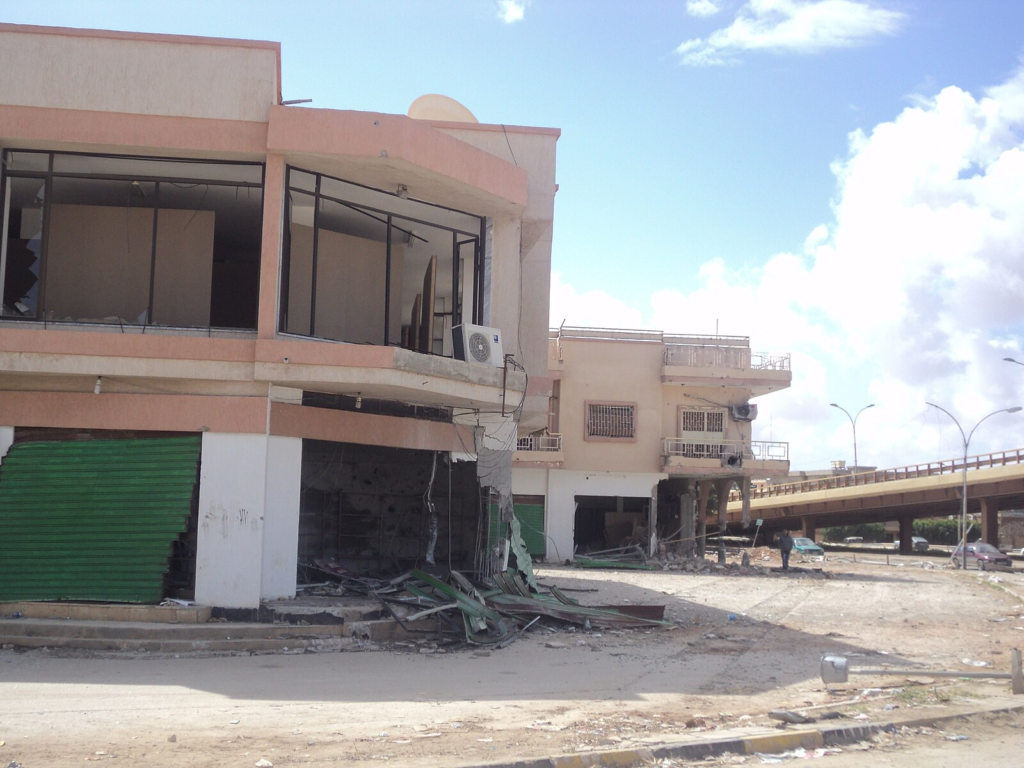
The preservation of Libya’s traditional architecture faces significant challenges, particularly due to urbanization, political instability, and armed conflict. Many traditional buildings have been replaced by modern concrete structures, especially in urban centers like Tripoli. Moreover, sites such as the Roman city of Sabratha have been damaged during recent conflicts, threatening the integrity of Libya’s architectural heritage.
Despite these challenges, efforts are being made to protect and restore Libya’s historical sites. Organizations like UNESCO have worked with local authorities to restore damaged buildings and preserve traditional building techniques. There is also a growing recognition of the importance of integrating traditional methods with modern construction to maintain Libya’s architectural identity while accommodating contemporary needs.
Preservation and the Future
Libya’s traditional architecture is a testament to the country’s rich cultural heritage, shaped by its history, climate, and geography. From the Roman ruins of Sabratha to the Ottoman palaces of Tripoli, Libyan architecture is a fusion of diverse influences that reflect the country’s historical evolution. The adaptation of buildings to Libya’s harsh climate, the use of local materials, and the distinct regional variations all contribute to the country’s unique architectural identity. As Libya faces challenges such as urbanization and political instability, preserving its architectural heritage remains crucial for maintaining its cultural legacy and understanding its past.
Ralph Hage is a Lebanese American architect who divides his time between Lebanon and the United States.
Want more articles like this? Sign up for our e-newsletter!
Check out our blog here!







.jpg#/media/File:Leptis_magna_(5476123499).jpg)


