

Subscribe
to receive news by email

Poll
Will the Trump Administration Shift U.S. Policy in Favor of Palestine?
- No (87%)
- Yes (13%)
 Loading ...
Copyright © 2026 Arab America
Go topMajor Events in Arab History to Take Place During Ramadan
By Jake Harris / Arab America Contributing Writer
Ramadan, one of the holiest months in Islam has begun. Muslims fast from sun up to sun down, starting the day with the Suhoor and ending the fast with the Iftar meal. It is a time of reflection, as well as a time to strengthen one’s relationship with Allah through extra prayer, more charitable acts, and abstinence from sinful behavior.
Many notable events in the history of the Arab world have taken place during this holy month. Below are three significant historical events to take place during the holy month of Ramadan. The first and most significant being the event that inspired the holy month: The First Revelation of the Quran to Muhammed during the last ten days of Ramadan. It is referred to in Islam as the Night of Power.
Assassination of Ali (661 CE)
Ali Ibn Abi Talib was the fourth Caliph of the Rashidun Caliphate, the first of the three major caliphates following the death of Muhammed. In Shia Islam, Ali is regarded as the rightful successor to Muhammed. As Muhammed’s cousin and son-in-law, Shias believe he was divinely chosen as a rightful heir. In the end, the Sunni position on succession won out in the early days of the Caliphate, with Abu Bakr, one of Muhammed’s closest friends and allies becoming the first Caliph of the Rashidun Caliphate. Ali would go on to serve as the fourth Caliph.
On the 19th day of Ramadan in January of 661 CE, Ali was assassinated during morning prayer in a conspiracy by members of a group called the Kharijites. The Kharijites were opposed to Ali engaging in negotiations with Muawiyah I, the governor of Syria who opposed Ali’s election to the caliphate. Muawiyah would later become the first Caliph of the Umayyad Caliphate.
The Battle of Nahrawan is the event that most significantly inspired the Assassination. In this battle Ali’s forces defeated Kharijite rebels convincingly. The Assassination is said to be an act of revenge for the military defeat. The Kharijite Abdur Rahman bin Muljam is known in Islamic history as the assassin.
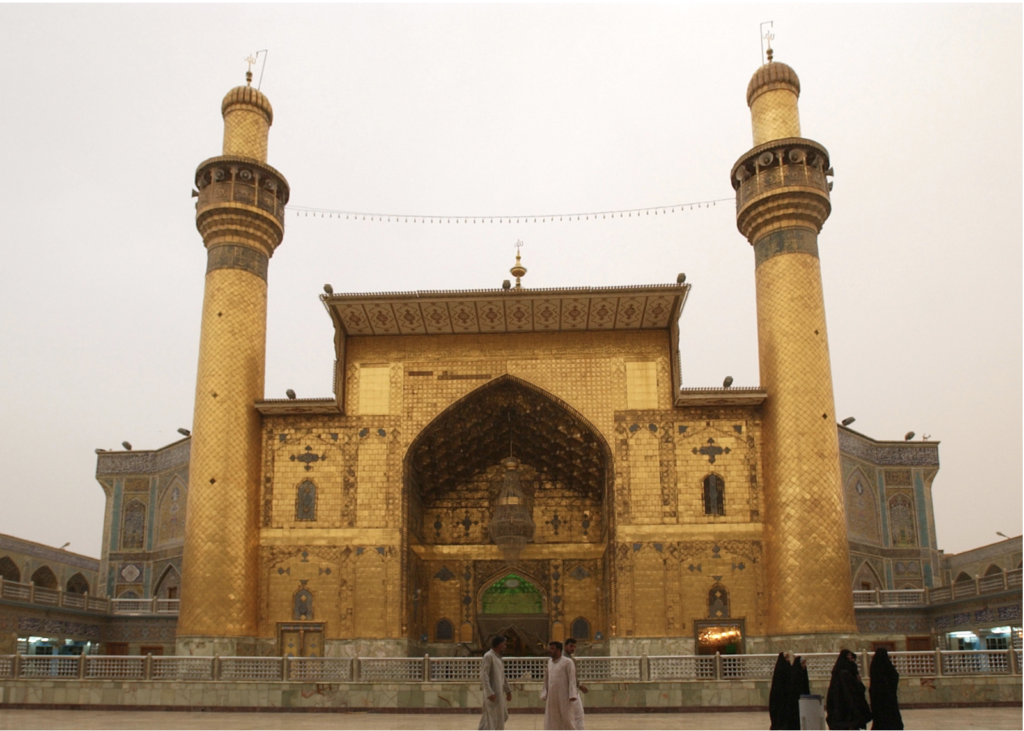
Ali is buried in Najaf, Iraq at the Imam Ali Mosque. It is regarded as one of the holiest sites in Shia Islam and a site of pilgrimage.
Battle of Badr (624 CE)
In the earliest days of Islam’s spread across Arabia, there was significant persecution from the Quraysh Tribe against the early Ummah. The polytheistic tribe significantly pushed back on the new growing faith, Muhammed, and his followers. The Quraysh Tribe, native to Mecca, was Muhammed’s tribe by birth. The battle was a significant turning point in the early spread of Islam as Muhammed’s forces were significantly outnumbered. The Quaraysh tribe was leading a trade caravan that Muslim forces planned to intercept. The two sides met at Badr in the Hejaz region of what is now modern day Saudi Arabia. The Muslim victory against all odds is said to be divinely inspired in the Quran. Only six years later, Muhammed’s followers would take Mecca and destroy the idols at the Kaaba.
Battle of Hattin (1187 CE)
In a crucial battle during the crusades, Sultan Saladin of Egypt led his forces to victory over the Kingdom of Jerusalem, a sovereign state inspired by the calls to crusade from the Papacy and the most powerful monarchs of medieval Europe. The battle was a convincing defeat for the crusaders and the defeat in the battle left Jerusalem completely exposed to be taken back by Muslim forces shortly after.
It was a major turning point in the crusades that signified an end to the early Christian success. Saladin was significant in unifying Muslim opposition to the invading forces. The flaws in the Crusaders military became majorly evident. They were not unified, there was significant disunity among the Christian monarchs of Europe. Not to mention the fact that Crusaders were stuck in a foreign land, outnumbered, and far away from the leadership directing the war.
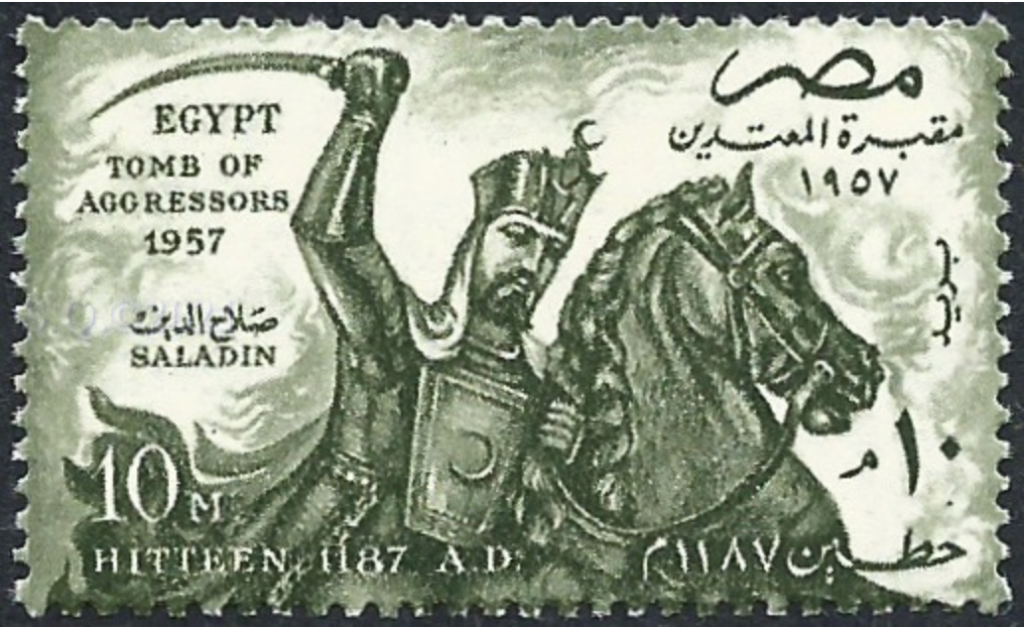
The battle took place in modern day Israel-Palestine at the Horns of Hattin, Saladin’s forces had cut off supply lines leaving Crusader forces scrambling from the beginning. There had been sieges of other Kingdom sites prior to the penultimate confrontation, most significantly Tiberias, which weakened the Kingdom of Jerusalem further.
Want more articles like this? Sign up for our e-newsletter!
Check out our blog here!






.jpg)
,_Saladin.jpg)