

Subscribe
to receive news by email

Poll
Will the Trump Administration Shift U.S. Policy in Favor of Palestine?
- No (87%)
- Yes (13%)
 Loading ...
Copyright © 2026 Arab America
Go topSaudi Arabia Sets World Record with 130 Paired Kidney Transplants
Made by Claire Keefe/Arab America Contributing Writer
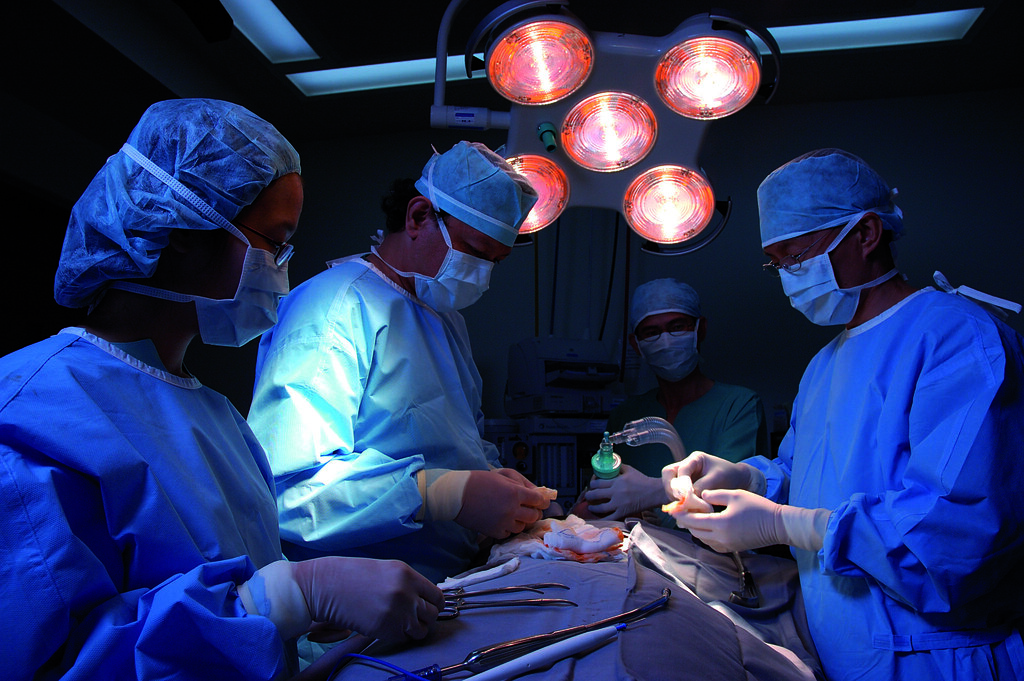
A Historical Medical Achievement
In a remarkable medical achievement, King Faisal Specialist Hospital and Research Centre, in Saudi Arabia, has set a new world record by completing 130 simultaneous kidney transplants. The record is 36 more than the highest-volume single center in the US, which performed 94. This achievement not only demonstrates the country’s rapidly advancing healthcare system but also highlights the lifesaving potential of breakthrough transplant programs designed to address one of the most persistent challenges in the organ donation process: compatibility.
The Challenge of Kidney Transplantation
Kidney transplantation remains the most successful treatment for patients diagnosed with end-stage renal disease, which affects millions all over the world. However, a major complication with the transplantation process is finding a suitable donor. Many patients who have willing donors, often friends or family members, are unable to proceed due to mismatched blood types or immune system incompatibilities. When expanded across multiple pairs, a system of different donors can create complex chains of transplants, which significantly increases the number of successful surgeries.
Coordinating a Record-Breaking Effort
Saudi Arabia’s milestone of 130 transplants shows one of the most coordinated kidney exchange programs ever constructed. This was not one simple operation, but it was a carefully orchestrated series of procedures that involved extensive planning and attentive coordination amongst the surgical team, as well as precise timing. Hospitals and transplant specialists worked closely together to ensure that each donor and patient was prepared and that all the surgeries could proceed at the same time, to prevent last-minute complications.
Advancing Health Care in Saudi Arabia
This achievement highlights the growing sophistication of Saudi Arabia’s healthcare infrastructure. Over the past decade, the country has invested a significant amount into modernizing its medical system, as part of its broader national development goal. These investments include expanding transplant centers and adopting high-end technologies that help support difficult procedures like paired kidney exchanges.
Just as important is the role of public awareness and cultural attitudes toward organ donations. In different societies, organ donation can be a sensitive topic, influenced by religious and social considerations. Saudi Arabia has made efficient progress in promoting the significance of donation through education campaigns and arrangements with religious leaders, who support organ donation in order to save lives. This cultural shift has contributed to the growth of those who are willing to donate, which is a major piece of the exchange process.
The Complexity Behind the Scenes
This success was driven by a fully integrated operational model located within one center, which combines advanced immunology laboratories that allow for exact compatibility testing and multidisciplinary clinical teams, which included transplant physicians and surgeons, anesthesiologists, transplant coordinators, and nursing staff. Medical staff must synchronize surgeries across multiple rooms, also within tight timeframes. This helps reduce the chances of a donor withdrawing from the process, which could ultimately disrupt the whole chain. The scale of Saudi Arabia’s program suggests an exceptional level of planning and organization, which places the country as a new leader in transplant medicine.
The logistics behind organizing 130 paired transplants rely on each possible donor and recipient. Each pair must undergo strenuous medical testing to ensure compatibility and safety. To add on to this, transplant chains must be carefully structured so that each party receives a kidney as promised, in order to maintain trust within the system.