
Subscribe
to receive news by email

Poll
Will the Trump Administration Shift U.S. Policy in Favor of Palestine?
- No (87%)
- Yes (13%)
 Loading ...
Copyright © 2026 Arab America
Go topSaudi Arabia's Comedy Festival Sparks Cheers and Criticism
By: Emma Campbell / Arab America Contributing Writer
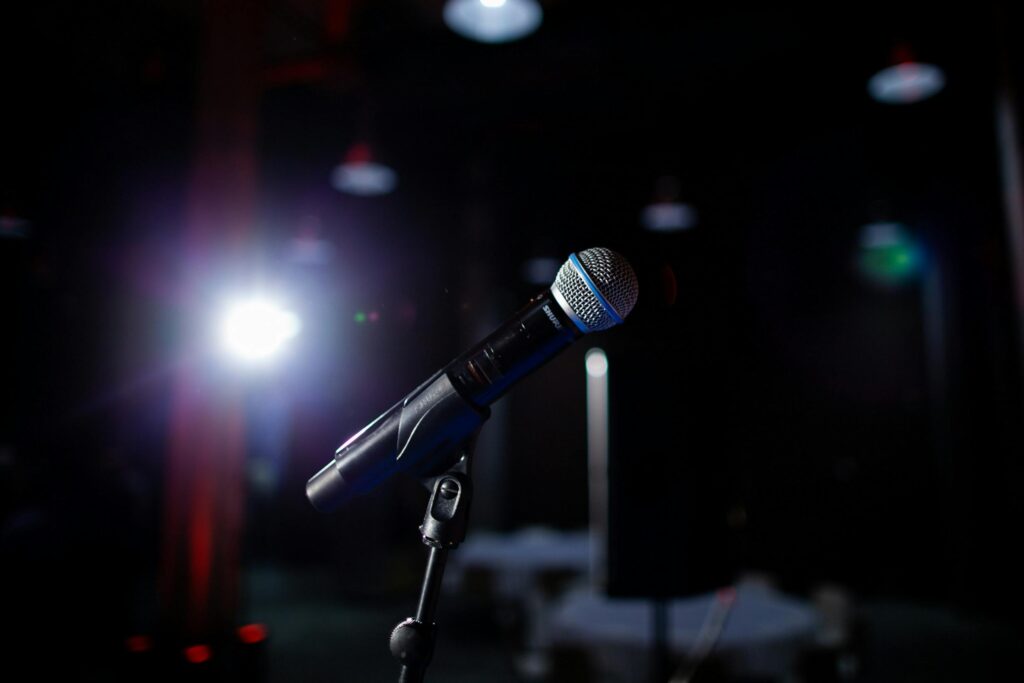
The Riyadh Comedy Festival spanned from September 26 to October 9, 2025. It brought major names, like Dave Chappelle, Bill Burr, Pete Davidson, Aziz Ansari, and others, to perform in Saudi Arabia. The event was organized under Vision 2030. The plan was created by Crown Prince Muhammad bin Salem to promote international cultural and artistic events. According to Arab News, the event was described as “the world’s biggest comedy festival”. However, the timing of the festival has drawn attention. It coincided with the seventh anniversary of Jamal Khashoggi’s murder on October 2, 2018. Local media and fans framed the festival as a historic first for Riyadh and the Middle East. Others around the world viewed it as “morally repugnant”. Arab America Contributing Writer, Emma Campbell, discusses the festival’s entertainment and ethics.
Saudi Arabia’s Expanding Influence
The festival fits within Saudi Arabia’s Vision 2030 drive to build on an entertainment economy. As the kingdom looks for ways to diversify its income, it has been investing heavily into sectors like sports, tourism, and entertainment. According to a conversation between a guest at the comedy festival and the BBC, “people here are really excited about the transformation programme. Saudi Arabia is trying to be an entertainment centre, and things like this comedy festival really help. There’s a lot of enthusiasm here, especially among young Saudis.”
The same strategy extends beyond Saudi borders, shaping the country’s growing footprint in global entertainment. For example, Saudi Arabia’s Public Investment Fund’s recent purchase of Electronic Arts (EA) reflects how Vision 2030’s now includes global gaming and media ventures.
The Ethics of the Stage
Timing and Targeted Activists
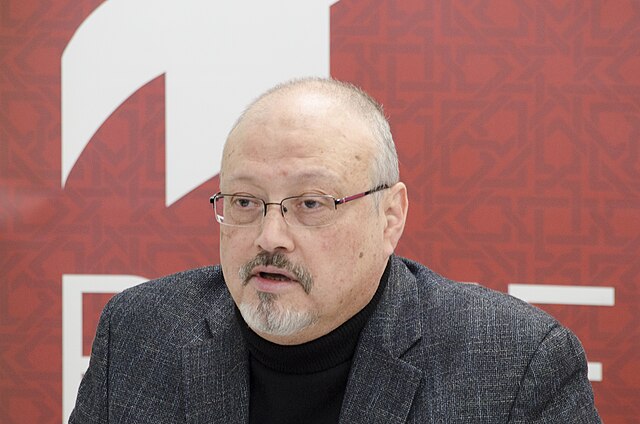
While the festival highlighted Saudi Arabia’s entertainment ambitions, critics have raised concerns about the kingdom’s ongoing human-rights record. According to the Human Rights Watch (HRW), “The Saudi government is using the Riyadh Comedy Festival 2025 from September 26 to October 9 to deflect attention from its brutal repression of free speech and other pervasive human rights violations”. The festival took place over October 2, 2025, which marked the seventh-anniversary of the state-sponsored murder of journalist Jamal Khashoggi. Additionally, it also took place months after Saudi authorities executed Turki al-Jasser. He was a journalist, reportedly executed for a public speech. The Human Rights Watch has also condemned the festival due to its distraction from ongoing detentions. Prominent detainees that are being spotlighted are Waleed Abu al-Khair and Manahel al-Otaibi. The former is a human rights defender and the latter is a female fitness instructor and women’s rights activist. Both are being held due to their activism.
Comedians’ Silence and Contract Restrictions
Despite having a platform to comment on these issues during the festival, many comedians did not do so. According to the Hollywood Reporter, “none of the comics who performed in Riyadh made a mention of the detainees in Saudi prisons. They didn’t talk about the Saudi Royal Family. Local human rights abuses didn’t make it into anyone’s set either.” Additionally, the HRW wrote to several comedians’ representatives on September 19th, requesting meetings to discuss the detained activists, but received no response.
Before the festival, it came out that the contract restrictions limited performers’ material. Atsuko Okatsuka, a comic who declined to perform in Riyadh, posted screenshots of a part of a proposed contract, which prohibited “any material considered to degrade, defame, or bring into public disrepute, contempt, scandal, embarrassment, or ridicule” the Kingdom of Saudi Arabia. On top of that, material about the Saudi royal family and religion was banned.
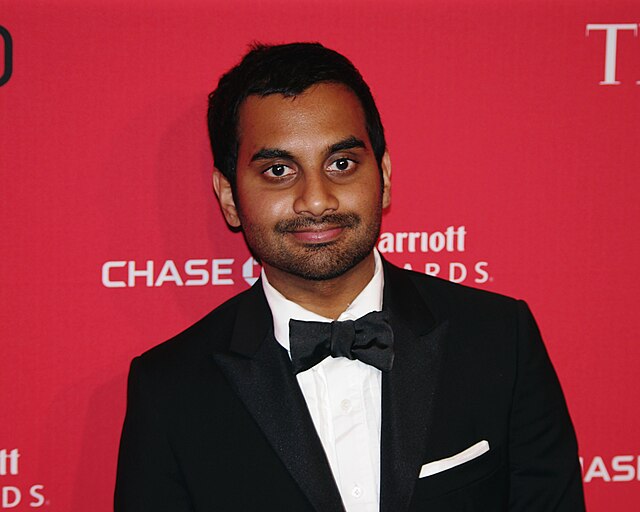
The Human Rights Watch also refused to accept any donations from comedians who performed at the festival, including Aziz Ansari. Instead, HRW emphasized that accepting such funds would compromise its independence. This would inadvertently support the Saudi government’s efforts to improve its image through entertainment events. As HRW’s Saudi Arabia researcher, Joey Shea, stated, “While we cannot accept, it is not too late for them to call for the release of detained Saudi activists”. Comedian Aziz Ansari had publicly pledged to donate a portion of his performance fee to human rights organizations, including HRW. However, HRW’s refusal to accept the donation underscored its commitment to maintaining ethical standards and avoiding any association with the Saudi government.
Performers’ Defense and Mixed Reactions
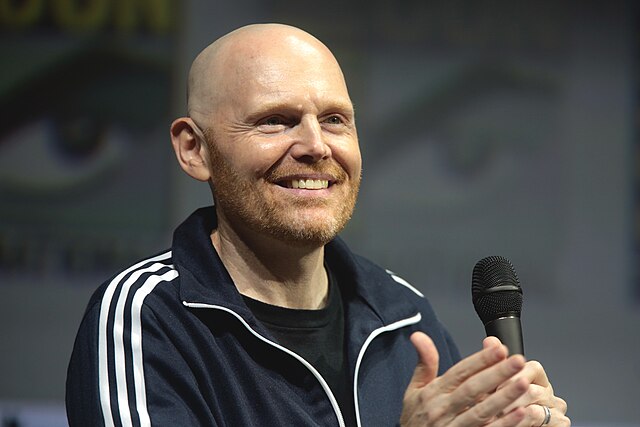
While critics, like Joey Shea, called for performers to express their support for free speech and urge the release of those unjustly imprisoned, many comics did not do so. Bill Burr, a famous comedian, emphasized the connection associated with comedy rather than politics: “You go to China, Dubai, Saudi Arabia — it’s all complicated. But meeting audiences who just want to laugh? That’s real”. Burr’s focus on comedy over politics reflected a broader trend. This drew mixed reactions from media and audiences. Some criticized the comics, while others celebrated the shows. On one hand, critics like those at the Human Rights Watch stated, “Comedians should use their platforms to stand up for freedom of expression, not perform in countries where people are imprisoned for exercising it.” Conversely, those in Saudi Arabia felt enthusiasm for the event due to its historical nature. Ultimately, the Riyadh Comedy Festival left audiences and critics divided. It highlighted Saudi Arabia’s cultural ambitions, while also raising ethical questions about free expression.
Want more articles like this? Sign up for our e-newsletter!
Check out our blog here!