

Subscribe
to receive news by email

Poll
Will the Trump Administration Shift U.S. Policy in Favor of Palestine?
- No (87%)
- Yes (13%)
 Loading ...
Copyright © 2026 Arab America
Go topSolving Lebanon's Energy Troubles at No Cost to Its Treasury: A Private Sector Solution
By Dr. Imad Hage/Ex-President, US-Lebanese Chamber of Commerce

Lebanon is in the dark, and its horizons are cloudy — and I don’t just mean that figuratively. Power cuts are no longer a temporary inconvenience but a way of life. In many areas, the state electricity provider, Électricité du Liban (EDL), delivers one to four hours of electricity per day. The rest of the day, citizens depend on other venues for electricity generation including private generators — costly, polluting, inefficient, and often unreliable.
But this isn’t just an article about energy. It’s about a nation in crisis, a population burdened beyond measure, and a public sector that can no longer deliver even the basics.
Yet there is a clear path forward. It doesn’t rely on loans, foreign aid, or selling off national assets. In fact, it doesn’t require a single dollar from the Lebanese treasury. What it does require is political will to let the private sector do what the public sector has shown itself unwilling and incapable of doing.
A Collapsed Energy Sector
Lebanon’s financial meltdown has left the government unable to pay for fuel, maintain power stations, or invest in grid infrastructure. This has resulted in a massive energy deficit: it’s estimated that the country needs roughly 3,800 MW of electricity per year, but it’s production is now estimated to be around 1,500 MW to 1,800 MW – this is being delivered by heavy fuel oil and private generators, local generator subscriptions, and solar panels in the form of decentralized rooftop systems. This has created a two-tiered, inefficient system that punishes ordinary citizens and stifles the economy.
To make matters worse, EDL’s losses contribute around $1.5 billion annually to the national deficit — a budget already stretched beyond its limits.
The Government is Broke – But the State Isn’t
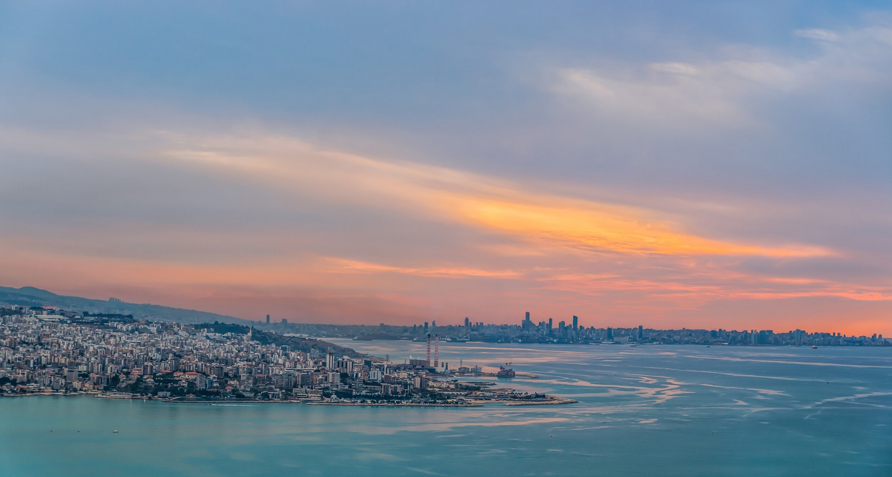
While the Lebanese government is financially paralyzed, the state still exists. Lebanon still owns land, infrastructure, and institutions. But these are not for politicians to give away. They belong to the people — and in times of crisis, they must be protected, not liquidated.
Any viable solution must therefore avoid selling national assets, avoid incurring new debt, and avoid tapping into public funds. That’s where the Revenue Sharing Concession (RSC) model comes in.
A Solution: Revenue Sharing Concession (RSC)
An RSC agreement is a legal contract in which one party (the concessionaire) is granted the right to operate a business or use resources on another party’s property or public land for a specific period. These agreements outline the rights, obligations, and responsibilities of both parties, detailing things like fees, operation terms, asset ownership, and required insurance.
Under a RSC agreement, a concessionaire (a private company) takes full responsibility for financing, building, and operating the country’s power infrastructure for a set period — typically 20 to 25 years. At the end of the contract, all assets are transferred back to the Lebanese state, in full working condition. The state can continue to utilize external management or internalise it completely.
No loans, bailouts, or public spending.
How It Works:
- The concessionaire raises the money. It assumes 100% of the financial risk — no state funds involved.
- It designs, sets up, and manages power plants using a mix of solar, wind, and natural gas technologies suited to Lebanon’s geography. In this phase, an assessment is undertaken into the viability of using existing stations, and the introduction of new power stations which utilize natural gas rather than fuel.
- It modernizes the grid to distribute electricity efficiently and fairly.
- It sells electricity to the government or directly to users at a regulated rate on a revenue-sharing basis that the treasury starts receiving in year after set-up is accomplished.
- After 20–25 years, the infrastructure is returned to the state, unless a new concession is negotiated, taking into consideration any economic benefits.
This is not privatization. The infrastructure remains Lebanese. The company only operates it under strict conditions and a defined timeline within the scope of a concession agreement.
What Would It Take? A Breakdown of Lebanon’s Energy Needs
To close the electricity gap, here’s what a private operator might build:
The estimated cost for the installation of utility-scale renewable energy projects, particularly solar and wind farms ranges between $800,000 to $1,000,000 per 1 MW.
- Solar Power Plants:
- 1000 MW of capacity
- Cost: ~800 million–1 billion
- Benefit: Taps into Lebanon’s excellent solar potential
- Wind Power Installations:
- 500 MW of capacity
- Cost: ~$400 million to $500 million
- Benefit: Reliable supply during nights and cloudy days
- Natural Gas Plants:
- 800 MW of capacity
- Cost: ~$640 million to $800 million
- Benefit: Provides stability when renewable output is low
Total investment: ~$1.84 to $2.3 billion — fully funded by the private company.
With electricity priced at around $0.10 per kilowatt-hour, the company could generate an estimated $2 billion in annual revenue (assuming continuous generation of 2,300 MW and factoring in real-world inefficiencies). This will allow the concessionaire to recover costs and make an exceptional return on investment, while generating hundreds of millions a year in profit for the Lebanese government through a revenue sharing model.
Revenue Sharing – A Sliding Scale That Benefits All
To ensure a fair and sustainable partnership, the concession agreement would include a revenue-sharing model that evolves over time — rewarding the concessionaire early on for its investment and risk, while gradually increasing the government’s share as the project stabilizes.
The proposed sliding model could begin with a 30%–70% split in favor of the concessionaire and shifts to 70%–30% in favor of the Lebanese government by the end of the 20-year term.
Example Revenue-Sharing Schedule (Concessionaire: Government)
| Years | Revenue Split |
| Years 1–5 | 70% : 30% |
| Years 6–10 | 60% : 40% |
| Years 11–15 | 50% : 50% |
| Years 16–20 | 30% : 70% |
This sliding scale ensures:
- Early cost recovery and ROI for the investor
- Increasing public benefit as infrastructure matures
- Full ownership transfer to the state after 20 years — along with a modern energy system and a growing revenue stream.
To further enhance this solution and maximize the use of Lebanon’s resources, there is also an opportunity to address another pressing issue: Lebanon’s waste management crisis.
Lebanon’s Waste Crisis and the Role of Waste-to-Energy
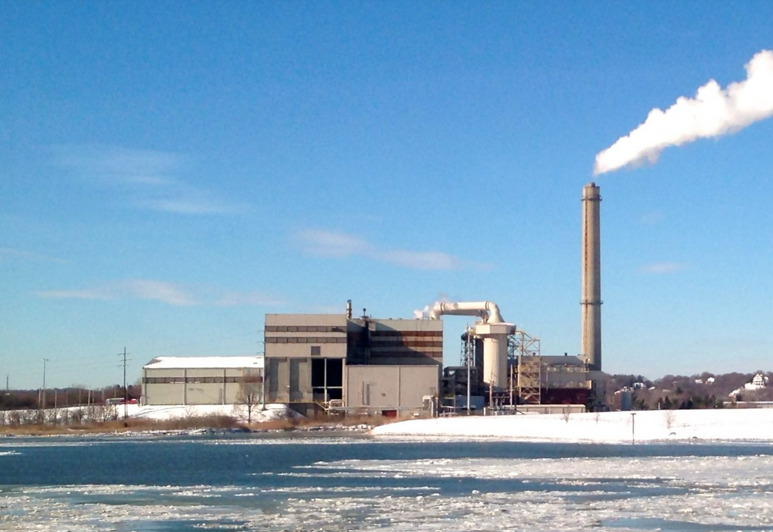
Lebanon is facing a severe waste management crisis, with overflowing dump sites creating a disastrous environmental situation. Garbage piles up on streets and beaches, causing health hazards and toxic pollution. This issue not only harms public health but also worsens Lebanon’s energy shortage by failing to convert waste into a usable resource.
A solution exists: modern, pollution-controlled waste-to-energy (WtE) incinerators. Unlike traditional incinerators, these advanced systems operate with zero dioxins and use cutting-edge filtration technology to eliminate harmful emissions. By converting waste into electricity, Lebanon can reduce landfill burden and generate clean, renewable power for the grid.
This approach offers a dual benefit: it addresses Lebanon’s growing waste problem while providing a reliable energy source, all without additional strain on the country’s finances. Integrating waste-to-energy facilities into the energy mix could be a crucial step toward both environmental cleanup and energy security.
Why This Model Works for Lebanon
- Not a single dollar comes from the treasury. The project is entirely financed through private capital. Lebanon avoids the burden of new loans and conditions from international lenders.
- Public infrastructure remains public. After the concession period, it all returns to the Lebanese state.
- Thousands of local jobs in construction, operations, and maintenance.
- A major shift toward clean energy, cutting pollution and long-term costs.
- A modern grid means less fuel imports, fewer outages, and real energy security.
- It can also provide a solution to the existing defunct waste management catastrophe.
Could an American or International Company Do This? Certainly.
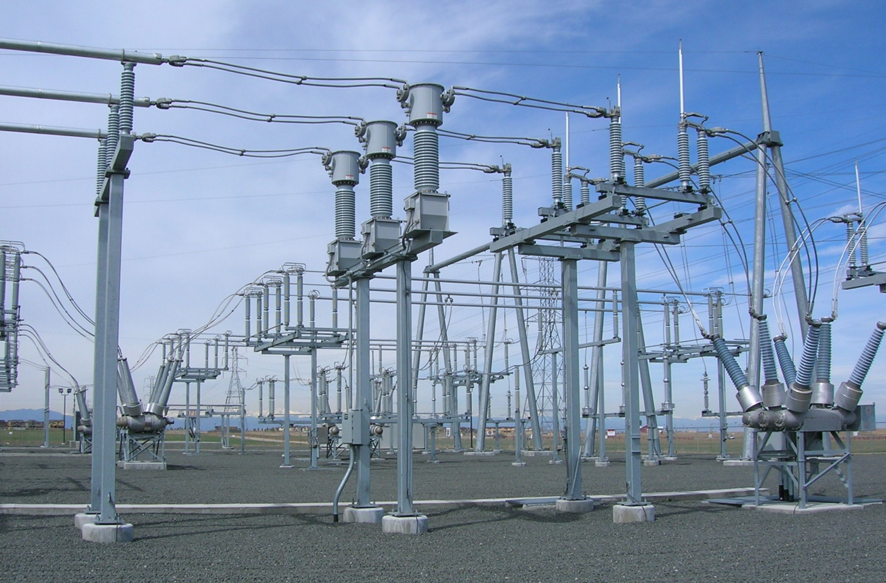
Large international energy companies — including American firms with experience in the region — have the technical capability and financial capacity to take on a project of this scale. Many already operate in countries with far more complex challenges.
In fact, Arab American entrepreneurs and engineers are well positioned to help connect the dots — advising on contracts, lobbying for transparency, and ensuring such a deal benefits Lebanon’s people, not its political class.
But this doesn’t have to be an American company. It could be an East Asian, European, Gulf, or regional firm — anyone with the capacity, credibility, and commitment to operate under a fair contract.
The flag matters not; what matters most is that the deal is clean, the terms are clear, and the outcome is accountable.
What’s Needed Now? Political Courage and Public Pressure
Lebanon’s energy collapse is not just a technical failure — it’s a political one. But a solution exists, and it does not require the permission of corrupt factions to function. It requires:
- A legal framework to allow revenue sharing concessions in energy
- Transparent bidding and regulation
- Strong public support to prevent interference or exploitation
A Power Solution for Lebanon, Without the Price Tag
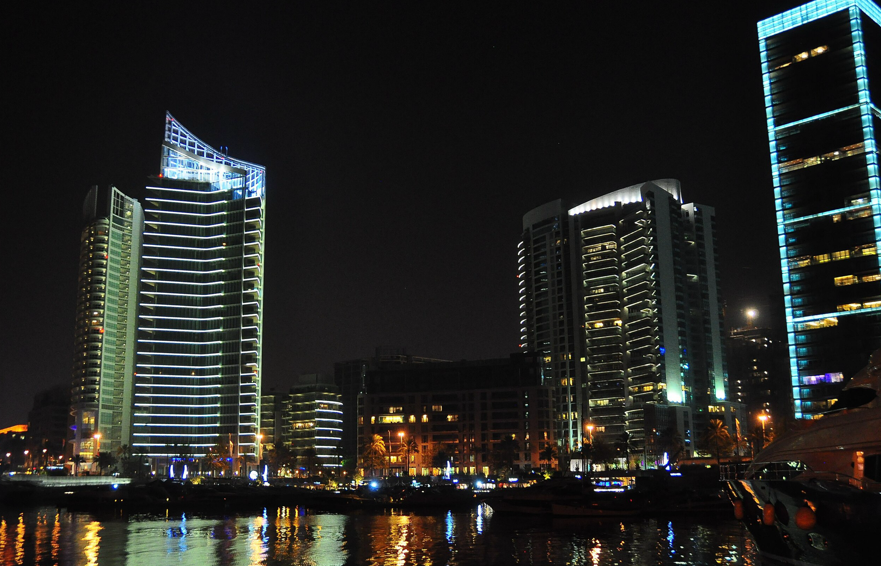
Lebanon’s people have sacrificed enough. They should not have to give up their land, their resources, or their future just to keep the lights on. They should not have to think about this basic necessity. A well-structured concession agreement offers a practical, tested, and effective solution. This methodology ultimately utilizes both traditional and renewable energy systems.
It brings the power of private investment to a public need — empowering the country without selling out.
It’s time for Lebanon to step into the light.





.jpg)


