

Subscribe
to receive news by email

Poll
Will the Trump Administration Shift U.S. Policy in Favor of Palestine?
- No (87%)
- Yes (13%)
 Loading ...
Copyright © 2026 Arab America
Go topThe Humanitarian Crisis in Sudan: A Country in Collapse
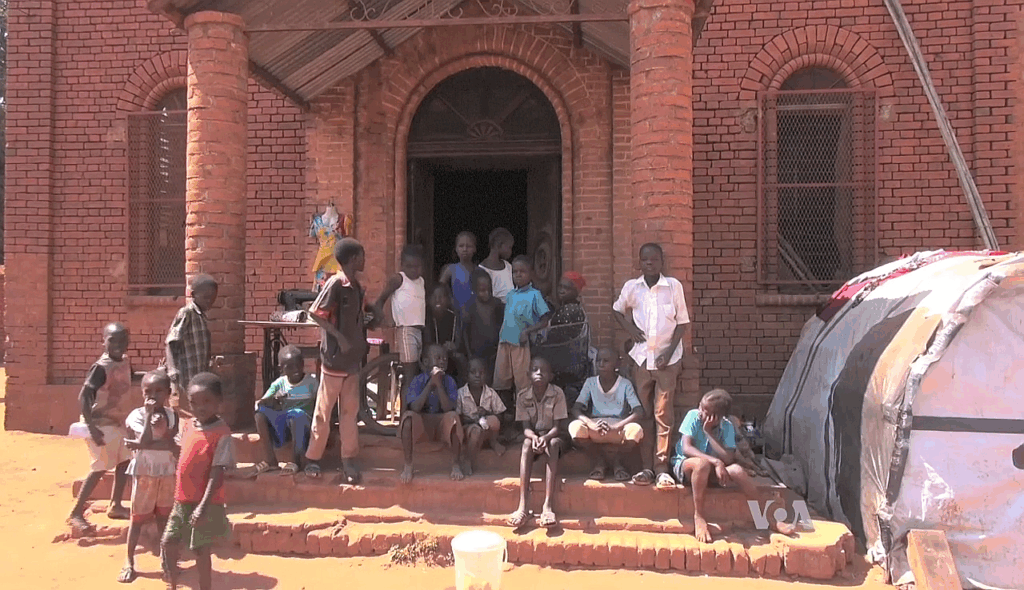
By: Fayzeh Abou Ardat / Arab America Contributing Writer
Sudan is currently experiencing one of the biggest humanitarian disasters in history. The Sudanese Armed Forces (SAF) and the Rapid Support Forces (RSF) have been engaged in a bloody struggle that has split the nation since April 2023. Millions of people have been uprooted, cities have been destroyed, and families have been left without food, water, or safety as a result of what began as a power battle between generals.
The United Nations reports that more than 30 million Sudanese, or more than two-thirds of the country’s total population, currently require humanitarian aid. This is the biggest humanitarian crisis in history, according to many experts.
How It All Started
Tensions between the RSF, led by Mohamed Hamdan Dagalo, popularly known as “Hemedti,” and the SAF, led by General Abdel Fattah al-Burhan, escalated and the battle started. Following the 2019 revolution that overthrew longstanding tyrant Omar al-Bashir, both men sought to take over the nation. Sudan has been in a state of chaos since their rivalry erupted into open warfare in April 2023.
Once vibrant cities like Khartoum are now in ruins. Hospitals have been demolished, buildings have been bombarded, and entire neighbourhoods have been cleared. Violence has escalated to horrifying new heights in Darfur, a region already plagued by previous conflicts. Attacks, famine, and displacement are among the challenges faced by those caught in the middle.
Millions Forced to Flee
Over 12 million people have been displaced since the conflict started, making it one of the world’s worst displacement crises. While some emigrated to neighbouring nations like Chad, South Sudan, and Egypt, others fled to other regions of Sudan. There is insufficient food, clean water, and medical services in overcrowded refugee camps.
In search of safety, many families travel for days or weeks. Thousands of children are undernourished, orphaned, or separated from their parents, making them particularly susceptible. Families have frequently lost everything, including their homes, jobs, schools, and sense of security.
Hunger and Famine
In many parts of Sudan, food is becoming increasingly scarce. Food costs have surged as a result of the war’s destruction of farms, marketplaces, and supply chains. These days, most individuals cannot afford a sack of bread or a few litres of petrol.
Famine is already occurring in some places, according to aid organizations like the World Food Programme (WFP). Over 21.2 million people are currently facing acute hunger. Millions more are at danger of becoming hungry as in 2026 it is predicted to worsen.
People are subsisting on whatever they can find, including animal feed, leaves, and wild plants. Malnutrition is killing children, and medical professionals report noticing an increase in severe hunger cases every day. Sadly, a lot of hospitals have been shut down or destroyed, and medical supplies are quickly running short.
Health and Safety in Crisis
Sudan’s health system has all but crumbled. The World Health Organization reports that more than 80% of hospitals in war areas are closed. Clean water, electricity, and medication are scarce. Particularly in camps for displaced persons, diseases like cholera, measles, and malaria are spreading quickly.
Children and women are at considerably higher danger. Reports of sexual assault and violence have increased, particularly in regions under the authority of armed organizations. More women die during childbirth because many pregnant women are unable to access hospitals. Children in Sudan are experiencing one of the greatest humanitarian crises in decades, according to UNICEF.
Why It’s So Hard to Help
Humanitarian groups are working to help those in need, but it is very risky to distribute aid. Roads have been blocked, supplies have been looted, and relief workers have even been attacked by both sides of the battle. Nine humanitarian workers were killed in North Darfur earlier this year while attempting to assist displaced people.
Many regions of the nation are totally cut off due to the ongoing fighting. Food and medication trucks are frequently stopped or reversed. The UN reports that less than half of its emergency financing target has been reached, so even when relief does reach Sudan, it is insufficient to address the extreme level of need.
The World’s Forgotten War
The world has mostly overlooked Sudan’s predicament while the conflicts in Gaza and Ukraine dominate headlines. Millions of people endure silent anguish. Every day, refugees continue to cross borders, increasing the strain on nearby nations like South Sudan and Chad, who are already dealing with their own issues.
Experts caution that hundreds of thousands may perish from starvation, illness, or violence if nothing changes quickly. Although Sudan’s future is uncertain, it is evident that its people require immediate assistance.
Conclusion
Sudan’s humanitarian catastrophe is a worldwide issue rather than only a local one. It demonstrates how power conflicts and political greed can wipe out an entire nation, leaving innocent people to pay the price. Every day is a struggle for survival for Sudanese families.
The world must pay attention, encourage peace initiatives, and offer the assistance that could prevent millions of deaths. The people of Sudan shouldn’t have to give up hope after suffering so much already.
Want more articles like this? Sign up for our e-newsletter!
Check our blog here!