Subscribe
to receive news by email

Poll
Will the Trump Administration Shift U.S. Policy in Favor of Palestine?
- No (87%)
- Yes (13%)
 Loading ...
Copyright © 2026 Arab America
Go topThe Powers and Limits of UN Condemnations
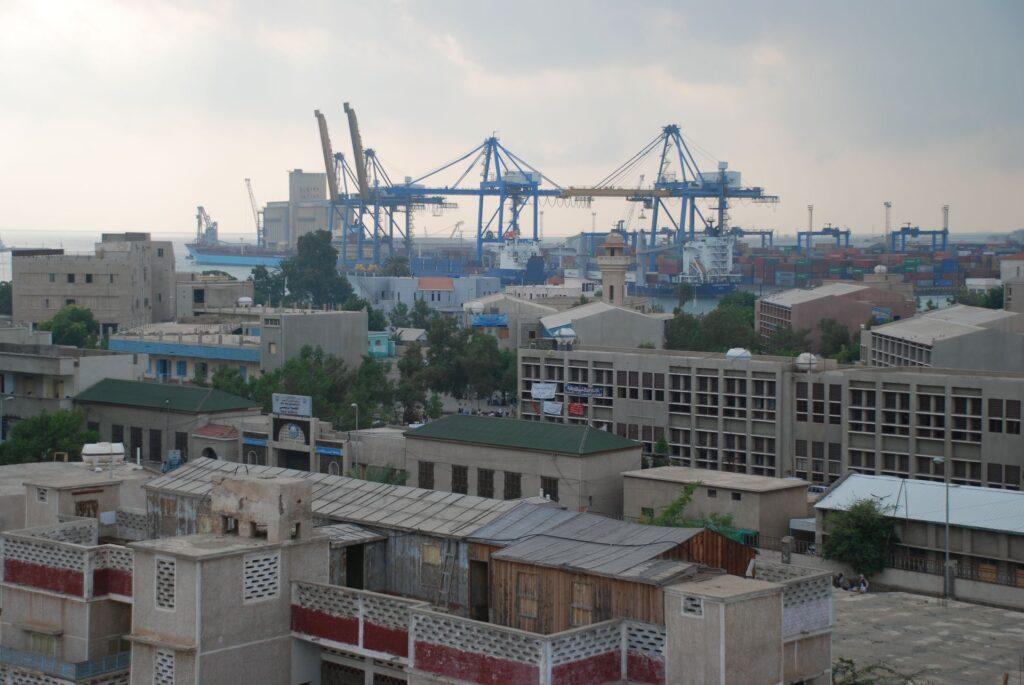
Photo by Bertramz, CC BY 3.0 via Wikimedia Commons
By: Diksha Tyagi/Arab America Contributing Writer
The United Nations has repeatedly condemned acts of violence across the globe, from the ongoing conflict in Sudan to the escalation in Gaza. Though these statements clearly serve a symbolic purpose, it’s important to consider the impacts of such condemnations and also the many limitations faced by international organizations.
Drone Attack in Sudan
On December 13, the UN strongly condemned the drone attack targeting the UN base in Kadugli, Sudan. This oil-rich region between Sudan and South Sudan has been contested since 2011, and violence has raged between the Sudanese Armed Forces (SAF) and the paramilitary Rapid Support Forces (RSF) for almost three years. The drone attack by separatist armed groups killed at least six Bangladeshi peacekeepers.
The Secretary-General of the United Nations, chief administrative officer António Guterres, publicly condemned the attack across platforms. Condemnations were also made by government officials, including Bangladesh’s interim government head Muhammad Yunus and United States senior advisor for Arab and African Affairs Massad Boulos. These condemnations spoke of the possibility of such violence leading to accusations of war crimes and called once again for ceasefire.
Condemnations of Violence in Gaza
The UN has also repeatedly condemned violence in Gaza during periods of conflict between Israeli and Palestinian groups. On December 8, it strongly condemned Israeli police’s unauthorized raid of the UNRWA compound, the UN agency that assists Palestinian refugees, in East Jerusalem. Again, the Secretary-General issued a statement and recognized the “blatant disregard” of UN premises and international law as a whole. Guterres has also issued statements calling for an “immediate halt” to hostilities and emphasizing the protection of civilians.
The Purpose of UN Condemnations
UN condemnations serve many symbolic and practical purposes. Fundamentally, they signal international norms. The UN’s global influence allows them to articulate and project what the international community deems to be unacceptable. Public denouncement reinforces international legal principles and can therefore create societal and moral expectations.
Condemnations also function as a diplomatic tool, providing a basis to advocate for ceasefires, negotiate aid, or encourage sanctions. The UN’s statements, though without direct enforceability, create international pressure that can lead to advantageous outcomes.
The Impact of Condemnations
Yet, this lack of enforceability makes their effectiveness murky. The UN does not have enforcement powers, unable to compel states or groups to comply with its statements. Therefore, condamnations alone aren’t likely to cause any direct action or stop violence.
However, UN condemnations can still contribute to tangible outcomes with the help of member states. Condemnations shape international discourse, influencing public opinion and media coverage and therefore pressuring governments of both internal and external parties. Individual governments can then use their autonomy to take action. For instance, the UK has recently sanctioned officials of the RSF in Sudan after the UN’s statement. In Gaza as well, numerous condemnations have helped to facilitate activity. Condemnations of attacks on civilians and violations of international law have accompanied and led to more calls for humanitarian access and ceasefires.
A Strategic Move
UN condemnations are in no way solely performative, though their impact depends on many factors. Repeated condemnations that don’t lead to action can diminish their worth, and therefore such statements must be made with intention and with purpose. Their communicative nature leads effectiveness to depend on the attention given by citizens and officials, which is how they’re able to transmit and legitimize moral and legal principles. When condemnations become frequent, they signal a serious problem within our international community that demands attention.
Want more articles like this? Sign up for our e-newsletter!
Check out our blog here!