Subscribe
to receive news by email

Poll
Will the Trump Administration Shift U.S. Policy in Favor of Palestine?
- No (87%)
- Yes (13%)
 Loading ...
Copyright © 2026 Arab America
Go topThe Traditional Architecture of Djibouti
By: Ralph I. Hage / Arab America Contributing Writer
Djibouti’s traditional architecture reflects its nomadic heritage, shaped by two dominant ethnic groups: the Afar, mainly in the north, and the Somali (specifically the Issa) in the south, with some overlap in central areas, such as Djibouti City. Both communities historically lived as pastoral nomads, requiring mobile, lightweight shelters adaptable to their migratory lifestyle.
Nomadic Roots and the Afar & Somali Influence
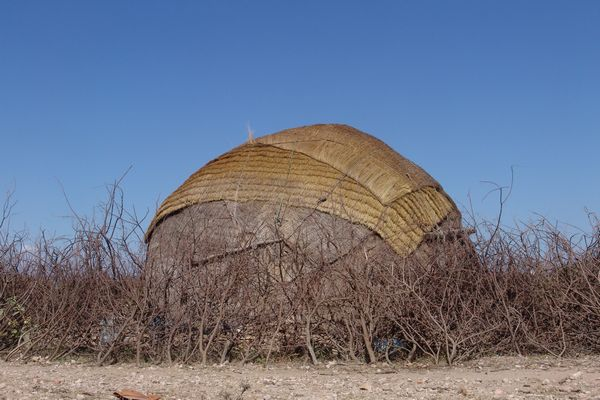
The Afar people traditionally build “danas”, round huts made with bent acacia branches, covered with mats woven from palm leaves or grass. These homes are portable, ideal for seasonal migration, and can be easily disassembled and reassembled. Similarly, the Somali groups use the “aqal”, a dome-shaped structure that also utilizes a collapsible frame made of sticks and mats.
These dwellings aren’t just practical – they are rooted in social structure and climate adaptation. For instance, the curved, low-slung profile reduces wind resistance and provides some insulation from the extreme heat.
Climate-Driven Design
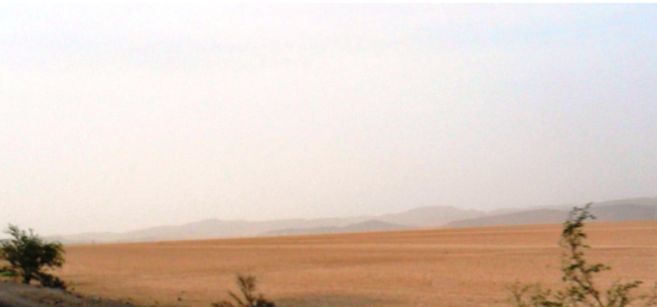
With over 90% of Djibouti’s land classified as arid or semi-arid, architecture here is largely defined by the need to cope with heat, dust, and scarce water. Temperatures often soar above 40°C (104°F), and rainfall is minimal. Traditional homes utilize natural ventilation through woven walls and elevated openings, allowing hot air to escape. Mats made from palm fronds provide shade while permitting airflow, a technique that modern sustainable architecture now refers to as passive cooling. In more permanent settlements, structures are made from coral stone, mud bricks, or locally quarried limestone. These thick walls keep interiors cooler during the day and warmer at night, a critical adaptation for desert climates.
Djibouti City and Colonial Legacy
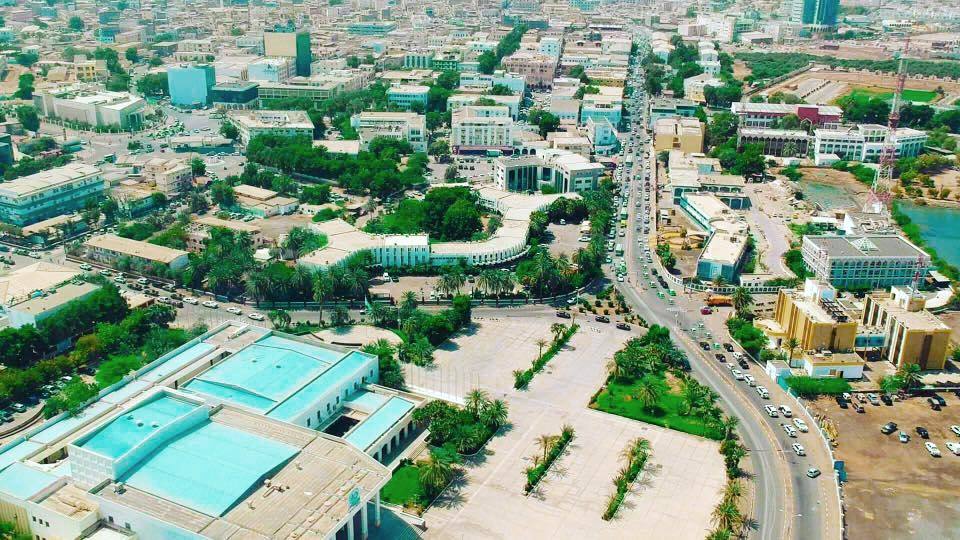
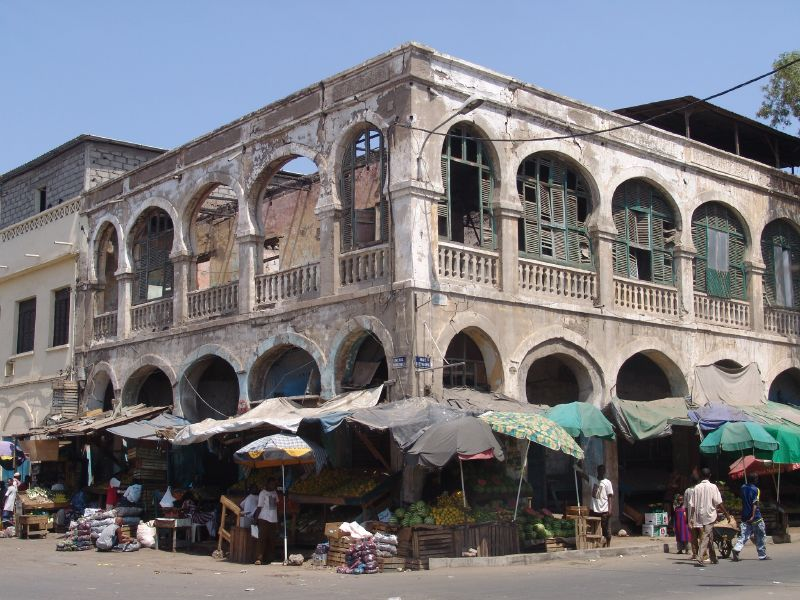
Djibouti City, the capital, offers a fascinating contrast between traditional and colonial architecture. When the French established Djibouti as a protectorate in the late 19th century, they introduced Mediterranean and Moorish-inspired styles, often adapted for local conditions. Colonial buildings typically feature arcades, verandas, and courtyards, reflecting both aesthetic tastes and practical needs. Thick masonry walls and tall ceilings improved temperature control, while the use of white paint minimized heat absorption. Many of these colonial structures remain in use today – some as government buildings, others as homes or hotels, offering a blend of historic elegance and environmentally designed spaces.
Urban Vernacular: The Inner Courtyard
Traditional urban homes, especially those influenced by Islamic and Swahili design, often revolve around a central courtyard. This feature serves both social and environmental purposes. Courtyards provide privacy, particularly important in Muslim societies, and help facilitate air circulation. During the cooler evening hours, families often gather in these open spaces to eat, relax, and sleep. Walls surrounding these homes are typically windowless on the outside, helping maintain security and thermal regulation. Inside, though, the layout encourages interaction and cooling breezes.
Islamic Architectural Elements
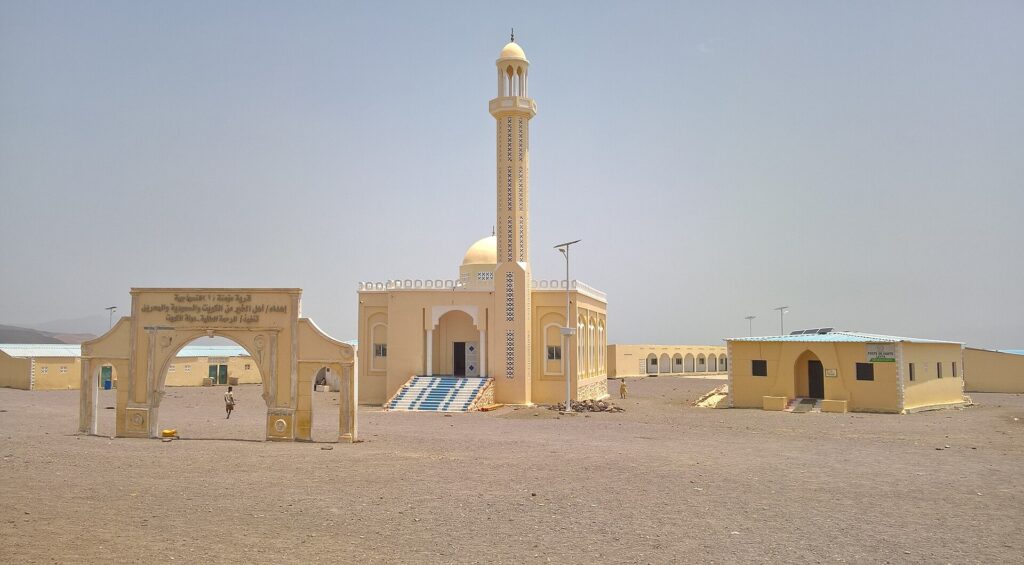
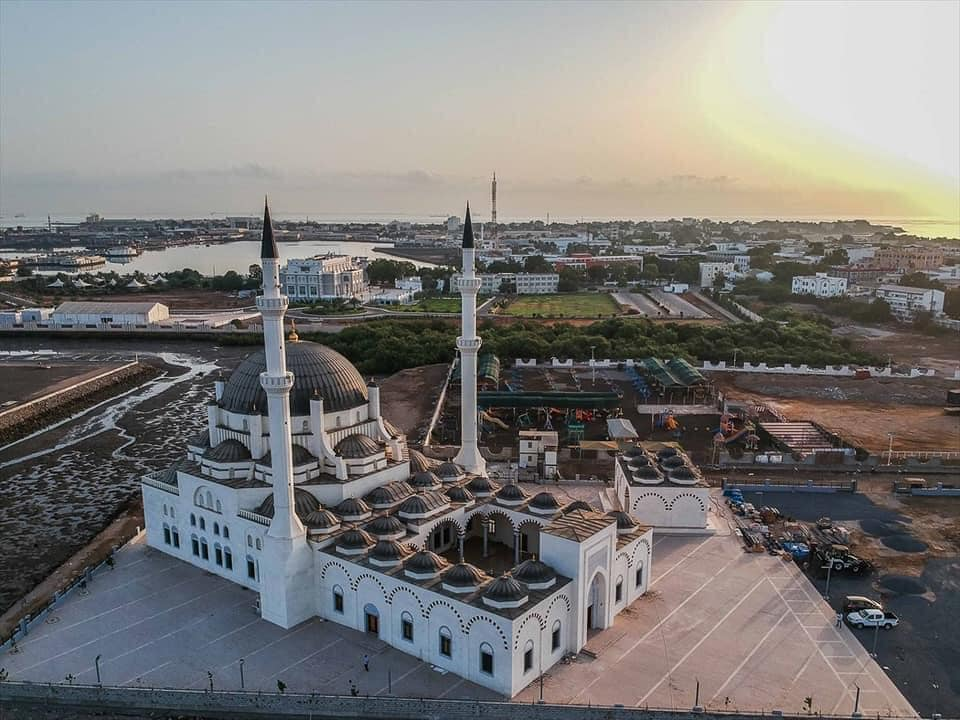
Djibouti is a predominantly Muslim country, and Islamic architectural features are common in both religious and domestic buildings. The most prominent examples are its mosques, many of which display simple but elegant design elements like minarets, geometric patterns, and whitewashed walls. Unlike the elaborate domes of Ottoman or Persian mosques, Djibouti’s religious structures often emphasize simplicity, using local materials like coral stone and plaster. Flat roofs are typical, as rainfall is relatively rare, and decorative motifs focus on calligraphy or abstract forms in line with Islamic tradition. One iconic example is the Mosquée de Tadjourah, located in one of the country’s oldest cities, featuring a blend of Islamic design and local construction techniques.
Sustainability and Revival
As climate change and urban expansion accelerate, there’s a renewed interest in traditional
building practices for their sustainability. Several contemporary architects in Djibouti are
beginning to blend traditional forms with modern materials, creating structures that are
environmentally friendly and culturally rooted. For instance, many newer buildings incorporate solar shading, natural ventilation, and locally sourced stone, inspired by nomadic dwellings and courtyard houses. Some NGOs and sustainable architecture groups have even looked into reviving the “aqal” and “dana” forms for modern eco-housing projects. These efforts not only reduce environmental impact but also preserve Djibouti’s architectural heritage, which is increasingly threatened by modernization and globalization.
Adaptation, Survival, Community & Culture
Djibouti’s traditional architecture is a story of adaptation, which tells of a tale of survival, community, and cultural identity. From the portability of nomadic shelters to the thermal genius of coral-stone houses, these structures are far more than shelter – they are symbols of resilience and heritage. In a rapidly changing world, there’s great value in revisiting these indigenous building methods, not just for cultural preservation, but also as blueprints for sustainable living.
Ralph Hage is a Lebanese American architect who divides his time between Lebanon and the United States.
Want more articles like this? Sign up for our e-newsletter!
Check out our blog here!