

Subscribe
to receive news by email

Poll
Will the Trump Administration Shift U.S. Policy in Favor of Palestine?
- No (87%)
- Yes (13%)
 Loading ...
Copyright © 2026 Arab America
Go topUntold Stories of the Islamic Golden Age
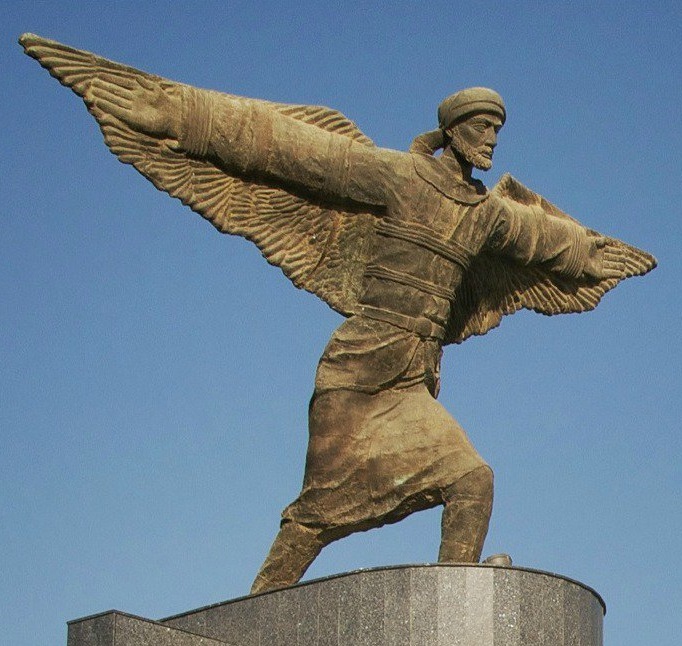
One of the most significant parts of Arab history, dubbed the Islamic Golden Age, marked a renaissance unlike no other. Spanning the 8th-13th century, the period saw a massive upheaval in the priorities of the caliphates. Under Abbasid rule, intellectual centers and the arts were given a new spotlight, wholeheartedly supported by the government. The people and inventions from this time defined centuries of progress.
What is the Islamic Golden Age?
The Islamic Golden Age was a flourishing period of cultural, scientific, and intellectual advancement across the Muslim world. Centered in cities like Baghdad, Damascus, and Córdoba, scholars preserved and expanded knowledge from Greece, Persia, India, and beyond. Innovations emerged in mathematics, medicine, astronomy, literature, and philosophy.
Institutions such as the House of Wisdom fostered translation, research, and collaboration across cultures. Advances in architecture, art, and trade also spread widely, influencing Europe and Asia. This era laid the groundwork for the European Renaissance through the translation and revival of Greco-Roman texts.
Though many know of the invention of algebra and the first sanitized hospital, there are brilliant minds whose stories have been lost to time. From the secrets of the astrolabe to modern economic theory, there are many untold stories from the era.
Unsung Heroes
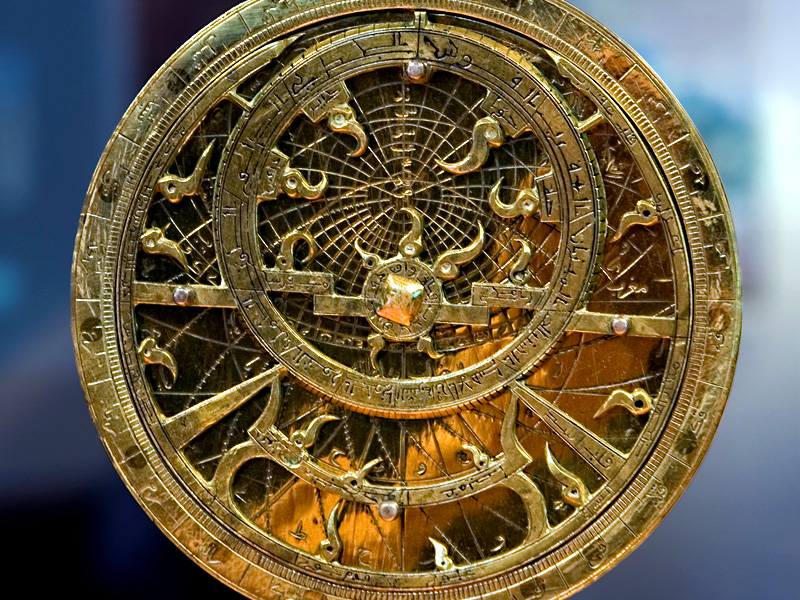
Mariam Al-Ijliya lived in the tenth century in Aleppo, Syria. She was a famous scientist who designed and constructed astrolabes. Her father was an apprentice to a famous astrolabe maker in Baghdad and she in turn became his student. In fact, Mariam’s hand-made designs were so meticulous and innovative that she was recruited by the ruler of the city, Sayf Al Dawla.
The interesting part? Her commonly used nickname, Al-Astrolabiya, implies her pivotal role in revolutionizing the astrolabe’s design. There is only one recorded source of her life, but all evidence points to her playing a major role in modernizing the design of the astrolabe. Yet, history forgets her name and attributes the astrolabe to other inventors.
Another unsung hero of the Golden Age was Ibn al-Quff, occasionally dubbed the “Father of Surgery”. Ibn al-Quff (1233–1286) was a prominent Arab physician best known for his comprehensive surgical manual al-‘Umda fi Ṣinā‘at al-Jirāḥa (“The Basics in the Art of Surgery”), which systematically detailed surgical techniques, anatomy, wound treatment, and the use of cauterization.
Unlike many earlier medical writers, Ibn al-Quff placed strong emphasis on surgery as a distinct and respectable field, not merely an extension of medicine. He also wrote extensively on anatomy, providing clear descriptions that guided practitioners in safe operations. Al-Quff made leaps and bounds in the field of surgery; his writings became essential in Europe years later.
Contributions in Economics
One of the foundational thinkers of modern economics is a name that your average person doesn’t know. Ibn Khaldun, considered a forerunner of modern economists, was a historian based in Tunisia in the 14th century. According to contemporary scholars, it “difficult to overstress” the genius and originality of Ibn Khaldun. His most prominent work was the Muqaddimah, a book that attempted to capture an unbiased, universal view of history. He developed treatises in politics, sociology, and economics, with wisdom that hold true to this day.
“All the additional labor [towards economic growth] serves luxury and wealth, in contrast to the original labor that served the necessity of life.”
– Ibn Khaldun
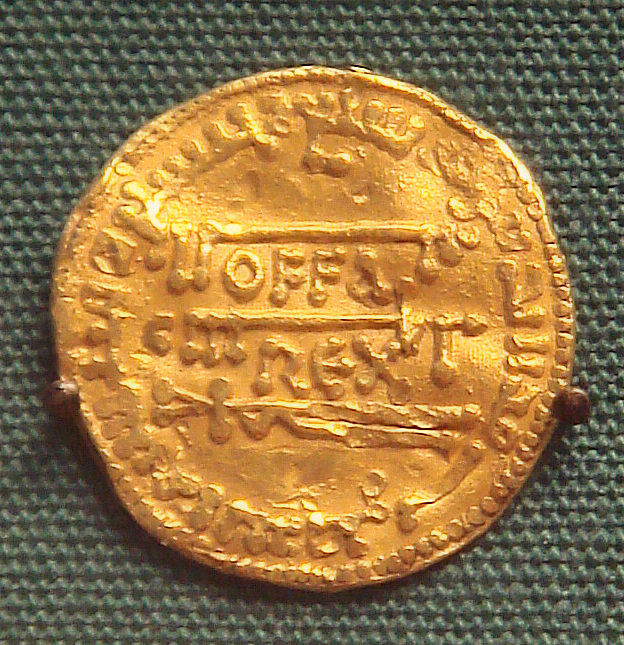
Furthermore, Abbasid-era economics were a massive influence in the formation of post-feudalist economies in Europe. Scholars postulate that Islamic economics gave the West the tools it needed to create capitalist systems. Practices like credit and checks were popular at the time, which Ibn Khaldun understood to be the foundation of a successful empire. A few of his theories can be found in modern Keynesian economics and supply-side economics.
History Writes the Future
The importance of revisiting quieter parts of history cannot be overstated. If history is to be written solely by the victors, it dooms everyone else to repeat it. To that effect, It is vital to emphasize the people and periods in history forgotten by the general public. The contributions of Mariam Al-Astrolabiya and her peers are lost in translation, so we must try to resurface them.
The advancements of Medieval and post-Dark Ages Europe are rarely ever put into proper context. In reality, they should be accredited to the hard work of Islamic scholars. Though their contributions may be minimized, Arabs will never forget the Golden Age.
Want more articles like this? Sign up for our e-newsletter!
Check out our blog here!