Subscribe
to receive news by email

Poll
Will the Trump Administration Shift U.S. Policy in Favor of Palestine?
- No (87%)
- Yes (13%)
 Loading ...
Copyright © 2026 Arab America
Go topWhat Makes Us Lucky
By: Diksha Tyagi/Arab America Contributing Writer
At this time of year, luck is particularly on our minds. Many perspectives on luck think of it as random, happening by chance and outside of any comprehensible structure. Yet, luck in the Arab world is understood differently, incorporating ideas of divine will, destiny, and a deeper cosmic order. This conception can offer a competing idea of luck that places control into both human and cosmic control.
Differing Conceptions of Luck
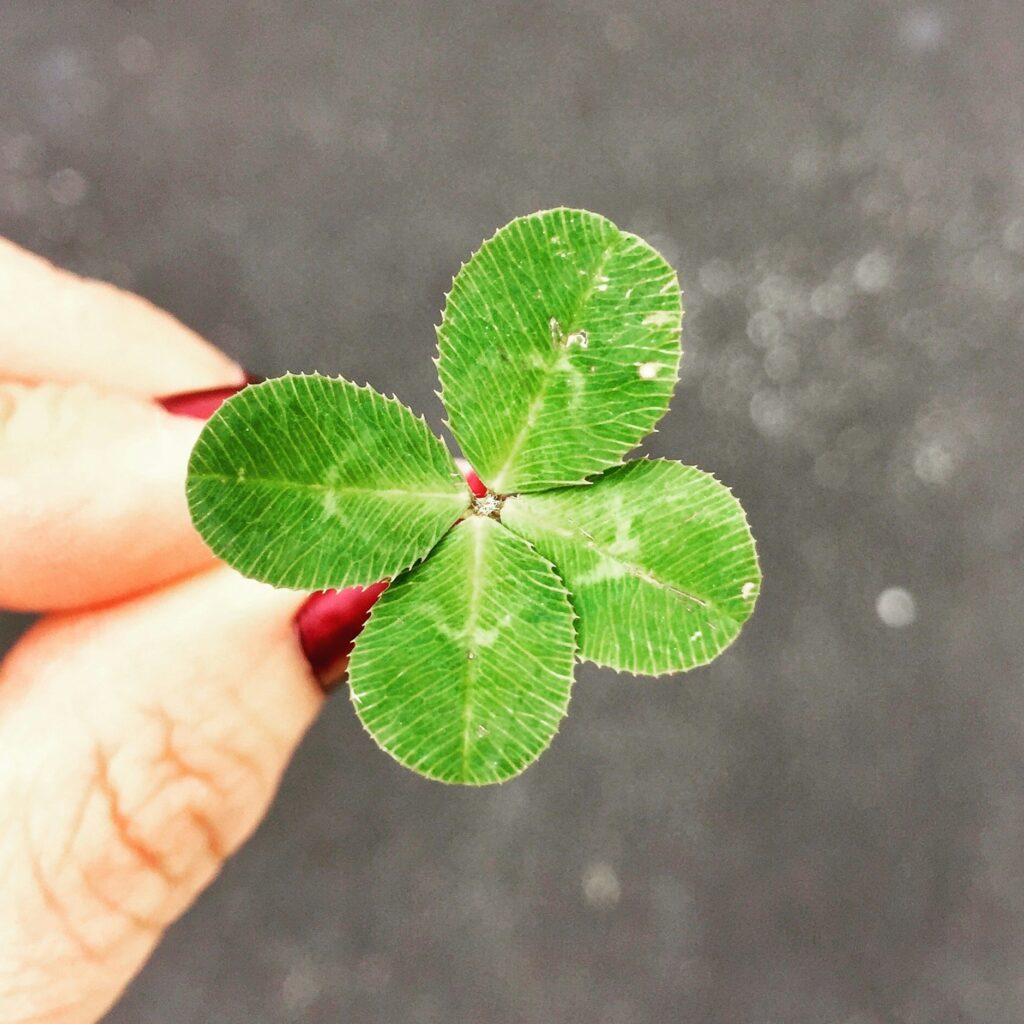
Different cultures offer different ways of thinking about luck and variability in each individual’s life. Many modern Western societies see luck as something random. Symbols like the four-leaf clover and horseshoes as well as certain phrases exemplify this idea. Fortune seems to happen completely by chance and independent of any deeper foundation. Certain modern thinkers such as Nietzsche and Camus took this even further with their nihilist philosophies, asserting the absurdity and lack of meaning in life.
Some East Asian traditions connect luck to balance and harmony. Feng shui, an ancient Chinese practice, exemplifies this. The arrangement of objects in space, especially in one’s environment, is meant to promote balance and lead to prosperity. Looking at it this way, luck is dependent on the physical environment and in particular the flow of energy.
The Arab world sees luck in another dimension, connecting it to ideas of destiny and divinity. Luck is not accidental, nor is it fully dependent on an individual’s actions. Instead, it is part of a greater structure that connects both human will and divine power.
Luck and Patience
The way that luck is viewed in the Arab world makes a great connection between luck and patience. Fortune isn’t expected to arrive immediately or completely randomly, and neither is it a necessary effect of one’s hard work. An emphasis on patience reflects the trust that good outcomes may arrive slowly, often after perseverance.
Considering this perspective allows both success and failure to be interpreted differently. The unknowability of one’s fate, as well as the value that is placed on patience, encourages resilience. Difficulties can be viewed as part of a broader system that, though unknowable, can lead to growth if approached correctly. Therefore, individuals are motivated to continue persevering and trust in their efforts.
Luck and Hospitality
Fortune is also greatly connected to generosity and, more broadly, social responsibility. Hospitality is viewed as a vital value in Arab societies, and emphasis is placed on treating guests with care and respect. This isn’t only done so to fill a social expectation but is largely internalized as an integral part of society. Yet, assisting others is also a way to invite prosperity into one’s own life and to cultivate oneself. Hospitality, as well as charity and generosity as a whole, are often believed to bring positive results to one’s life.
This way of viewing generosity reflects the connection that luck has to moral and spiritual character, and the importance of social relationships in that. Fortune isn’t independent and relies greatly on relationships with one’s community. Due to this, people participate in a cycle where prosperity moves from one individual to another, growing when shared.
What We Can Learn
Ideas of luck and fate remain strong across the Arab world, shaping conversations around all facets of life. Their emphasis on values and community bring something new to ideas of luck that are individual-dependent. They can help us to balance ambition with humility, recognizing that certain aspects of our life are out of our control. We can work hard to achieve our goals, but acceptance and trust in other factors allows us to face uncertainty and hardships with greater aptitude.
Want more articles like this? Sign up for our e-newsletter!
Check out our blog here!