Subscribe
to receive news by email

Poll
Will the Trump Administration Shift U.S. Policy in Favor of Palestine?
- No (87%)
- Yes (13%)
 Loading ...
Copyright © 2026 Arab America
Go topYemen's Hidden Hunger
By: Fayzeh Abou Ardat / Arab America Contributing Writer
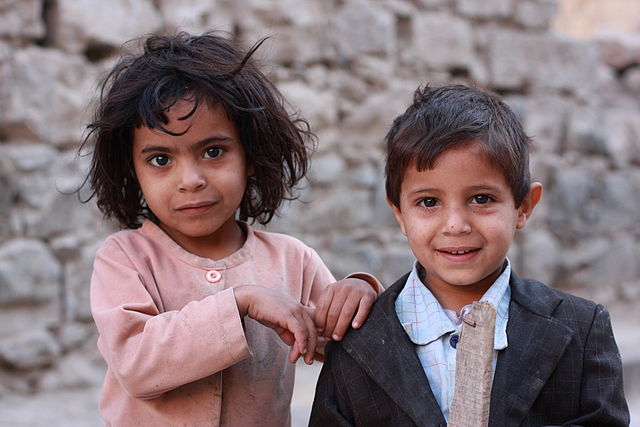
Yemen is experiencing one of the world’s most catastrophic humanitarian disasters. Beyond the headlines about war and politics lies a quieter tragedy unfolding daily in hospital wards, refugee camps, and remote villages. Severe malnutrition has gripped the country’s most vulnerable individuals. Millions of children and pregnant women face risks of death or long-term health complications.
The scale of the situation is astonishing. According to UN estimates, almost 2 million children under five are acutely malnourished in Yemen. Hundreds of thousands suffer from the most serious type, severe acute malnutrition (SAM). In many cases, those children are more than just skinny; their bodies are so depleted that even fundamental functions like breathing and digestion are life-threatening.
Malnutrition in Yemen is caused by systemic breakdowns in nutrition access, clean water, and healthcare, rather than simply a lack of food. Blocked supply routes, increased food prices, and infrastructure devastation have limited food availability. Even when food exists, many households cannot afford or access it. The result is a vicious cycle: weakening immune systems lead to additional infections. Illnesses like diarrhea worsen starvation, making recovery nearly impossible.
How Malnutrition Manifests in Yemen
In Sana’a and Aden’s packed pediatric wards, the crisis is obvious in the smallest details. Feeble arms too weak to lift a spoon, sunken eyes that appear older than their years, and mothers hugging toddlers whose bones protrude beneath loose skin. Severe acute malnutrition is frequently accompanied with edema, a swelling induced by fluid retention that conceals the true level of weight loss. In other circumstances, children appear skeletal, with an alarmingly low muscle mass.
Malnutrition especially affects pregnant and lactating women, who already have increased nutritional needs. According to the UN World Food Programme (WFP), over a million pregnant and breastfeeding mothers in Yemen are malnourished. This jeopardizes their health and increases the likelihood their babies will be born underweight or with developmental problems.
The problem is worsened by the collapse of Yemen’s healthcare system. Clinics that previously provided basic nutrition screenings or dispensed fortified foods have closed or are now operating without crucial supplies. Therapeutic feeding programs in which children receive high-calorie, nutrient-dense meals are overburdened and underfunded. Because of this lack of access, many families wait until a child’s condition deteriorates before seeking care, by which time the chances of survival have dropped dramatically.
Why the Crisis is Worsening
Yemen’s malnutrition is caused by a combination of factors, including economic collapse, interrupted agriculture, and the country’s dependency on imported food. Before the present crisis, Yemen imported over 90% of its food. With ports damaged or blocked and the currency’s value plummeting, even necessities like wheat and rice have become prohibitively expensive for a large proportion of the people.
The situation is exacerbated by a scarcity of clean water. Malnutrition is not only about caloric intake. Diseases such as cholera and diarrhea, both common in Yemen, impair the body’s ability to absorb nutrition. Without good sanitation, children become unwell repeatedly, making recovery difficult even when food is available. The end effect is a terrible synergy: food insecurity feeds disease, and sickness exacerbates food insecurity.
International aid has been vital in preventing an even larger disaster, but financing shortages are widening. Humanitarian organizations warn that if funding is not raised, life-saving nutrition programs may be discontinued. Already, the WFP has been forced to reduce aid due to budget cuts, resulting in some households receiving only partial rations or none at all.
Breaking the Cycle: Paths Toward Recovery
Ending Yemen’s malnutrition disaster would require more than just food handouts. It necessitates a multifaceted approach: restoring healthcare services, rehabilitating water and sanitation infrastructure, and stabilizing the economy so that households can afford nutritional diets. Immediate interventions, such as therapeutic feeding centres, vaccination campaigns, and maternal nutrition programs must be extended rather than restricted.
Community-level solutions also hold potential. In certain rural areas, small-scale agricultural enterprises and local food production have helped families minimize their reliance on costly imports. Local health workers have led nutrition education initiatives to teach mothers about the benefits of breastfeeding, safe weaning methods, and disease prevention hygiene measures. While these activities alone cannot solve the situation, they can provide the foundation for resilience.
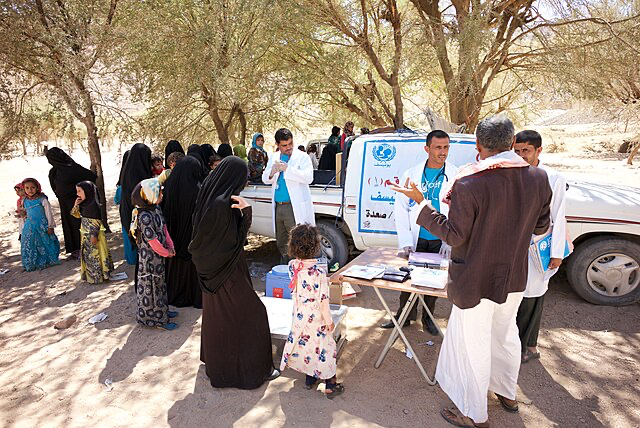
Finally, Yemen’s hunger crisis is a human tragedy causing avoidable suffering. Every lost day results in more children crossing the line from hunger to irreparable injury. For the world community, this is a moral necessity rather than a charitable act. Addressing Yemen’s silent calamity will require persistent attention, proper finance, and a commitment to viewing hunger as an urgent, solvable problem rather than an unavoidable outcome of conflict.
Want more articles like this? Sign up for our e-newsletter!
Check out our blog here!