
Subscribe
to receive news by email

Poll
Will the Trump Administration Shift U.S. Policy in Favor of Palestine?
- No (87%)
- Yes (13%)
 Loading ...
Copyright © 2026 Arab America
Go topZiad Rahbani’s Words Still Ring True
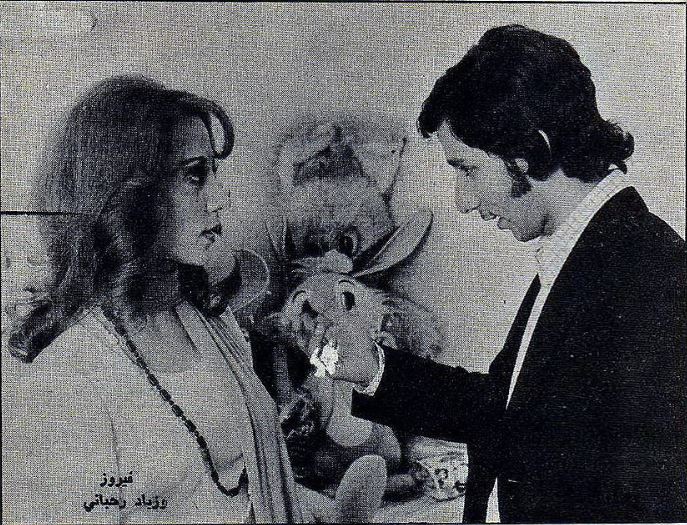
By: Ramsey Zeidan / Arab America Contributing Writer
DISCLAIMER: The writer does not seek to endorse or criticize any of Ziad Rahbani’s political stances.
Ziad Rahbani, famous Lebanese musician, composer, and political commentator passed away at age 69 just two weeks ago. He was the son of prolific vocalist and musical superstar Fairuz, for whom he composed and wrote several pieces. His legacy and reputation precedes him, whether it’s his sharp political satire, vibrant musicals, or his unwillingness to conform. Dubbed the “Voice of Lebanon’s Soul”, Rahbani was the figure of authority on politics in Lebanon and beyond. He was a vocal supporter of the Palestinian people, and uncompromising in his position as a leftist revolutionary.
His passing struck an entire generation of Arabs, but he left behind a body of work for the ages. What makes Rahbani so intriguing is the timelessness of his work. In fact, when listening to his music, many of his words still hold true to this day.
Gaza’s Struggle
One of Rahbani’s most famous songs, Ana Moush Kafer (I Am Not an Infidel), is more relevant than ever. Created in the wake of civil unrest and Israeli invasions in the late 70s, Ana Moush Kafer targets those who ignored the woes of the poor and oppressed.
I am not an infidel, but hunger is
I am not an infidel, but disease is
I am not an infidel, but poverty is
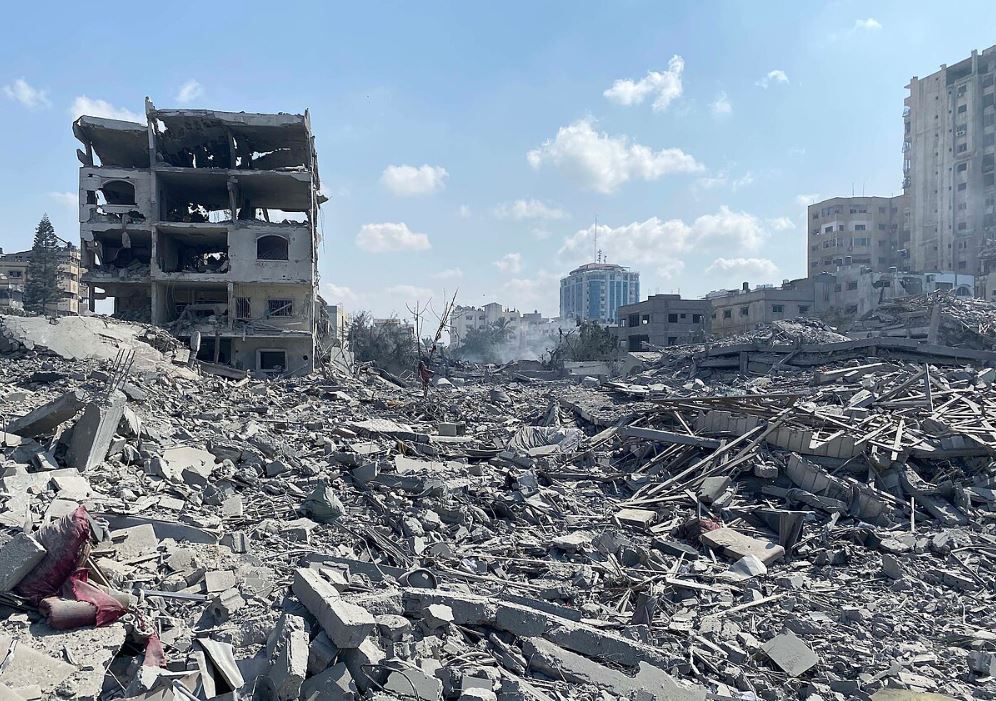
The phrase “I am not an infidel, but hunger is” is more than an explanation, it is a rebuke. Rahbani doesn’t try to justify the behavior of those facing hardship, rather he condemns the system that placed them there. Hunger, disease, and poverty all challenge the dignity and restraint of anyone. People pushed to the brink are not infidels, their circumstances are; we see no better example of this than Gaza. Humanitarian aid has been restricted from entering the strip almost entirely. A bag of flour commonly goes for $200+ in the few places where Gazans can find them. Moreover, over 61,000 people have been killed in Israel’s brutal genocide, with more than half being women or children.
In the context of the song, Rahbani seeks to criticize religious communities who wash their hands with the poor’s plight. However, his words can apply to a plethora of situations, including Gaza’s genocide. The world has watched Gaza suffer for far too long, yet it does nothing to help. Whether somebody hides behind religion, wealth, or identity politics, Rahbani argues there is no excuse to stay silent. His words serve as an elegy for Gaza, and a reminder of colonialist atrocities.
Inequality and Capitalism
Another of his more known songs, Shu Hal Ayyam (What Days These Are!), provides sharp criticism of wealth inequality.
They say that as a product of his forehead’s sweat*
this man gained his money
That’s fine; then where are this person’s millions from
if we have never seen him sweating?
* Rough translation of the Arabic idiom من عرق الجبين
Rahbani pokes fun at the notion that wealth is solely tied to hard work. In other words, he critiques capitalism’s masquerade as a meritocracy; millions are often inherited or exploited, rarely earned through hard labor. Within the context of the song, he sings satirically about the generosity that “oozes” from the upper class. Sadly, wealth disparity is a bigger problem than ever, both in America and the Middle East.
By some metrics, the Middle East is the most inequal region in the world. Vast disparities in the wealth of the political elite and the general population inevitably leads to social unrest. We have already seen the power of the Arab Spring, which spurred the largest social movement in recent history. The question is what trajectory the Middle East will take in a post-oil economy and beyond.
Undoubtedly, leadership in the Arab world has failed to address equality in a meaningful way. Perhaps Rahbani’s anticapitalism critique deserves a place in the political dialogue.
In Memoriam
Ziad Rahbani understood the Arab struggle like few others. While his criticism of conservatism and sectarianism wasn’t met with universal approval, the themes of his music resonate with many. From the horrors in Gaza, to the constant struggle of poverty, Rahbani’s words remain salient in the modern day. His politics certainly weren’t perfect, but Rahbani managed to embrace that imperfection in his love songs, politics, and satires.
In the words of Lebanon’s Parliament Speaker Nabih Berri, “Lebanon without Ziad – the melody is sad, the words are broken, and the black curtain falls on an immortal Rahbani humanitarian, cultural, artistic, and patriotic chapter.”
Want more articles like this? Sign up for our e-newsletter!
Check out our blog here!