

Subscribe
to receive news by email

Poll
Will the Trump Administration Shift U.S. Policy in Favor of Palestine?
- No (87%)
- Yes (13%)
 Loading ...
Copyright © 2026 Arab America
Go topArchitecture of the Comoros Islands: A Unique Fusion of Cultures
By: Ralph I. Hage / Arab America Contributing Writer
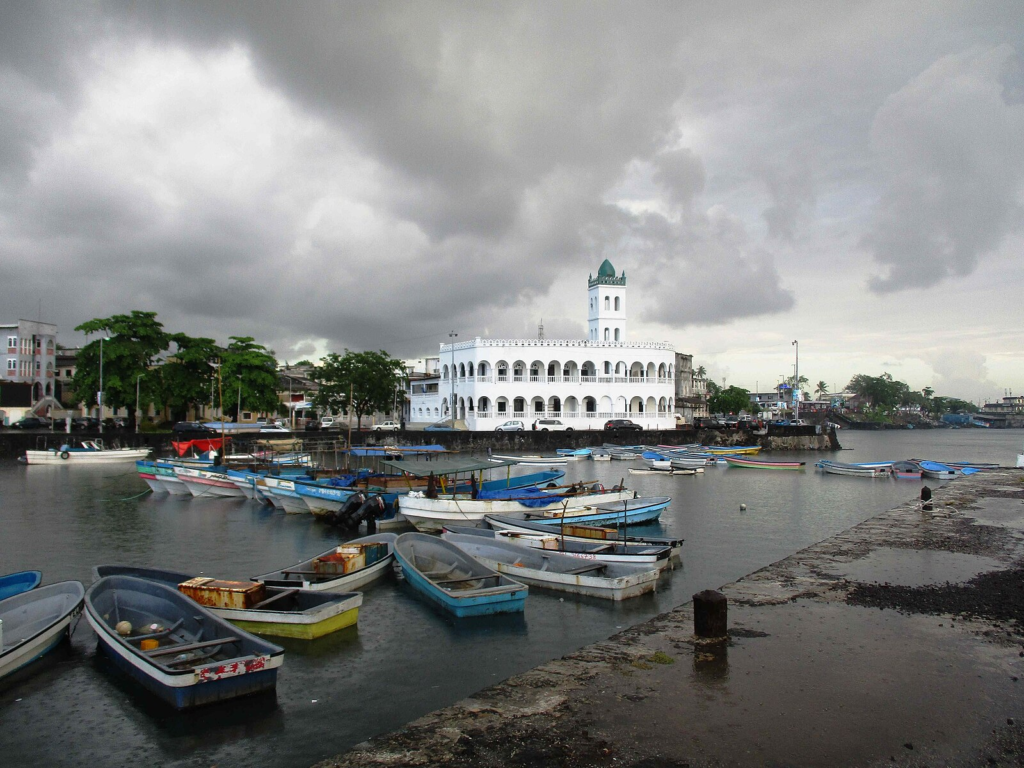
The Comoros Islands, nestled in the Indian Ocean between Madagascar and Mozambique, boast a rich and diverse cultural heritage shaped by centuries of Islamic, African, and Swahili influences. The traditional architecture of the Comoros is an eloquent reflection of this cultural amalgamation, showcasing innovative building materials, distinctive designs, and a deep connection to local customs and religious practices. This article explores the key elements of Comorian traditional architecture, the cultural influences that have shaped it, and the challenges faced in preserving this architectural legacy.
Historical Context and Cultural Influences
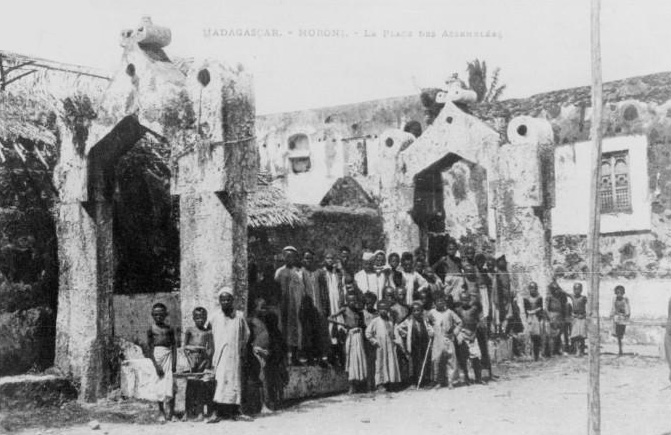
The islands of the Comoros have been home to various civilizations over the centuries, beginning with early Bantu migrations in the 8th century. As Islam began to spread through the region in the 12th century, the islands’ architectural landscape was increasingly influenced by Arab, Persian, and Swahili cultures. By the 17th century, the islanders established powerful Sultanates, which further refined local architectural styles, particularly in urban centers like Moroni, Mutsamudu, and Iconi. The legacy of the Sultanates is still evident in the islands’ built environment, particularly in the design of palaces, mosques, and public buildings (Kanaga-at.com).
The architectural evolution in the Comoros is also marked by the islands’ strategic position along important trade routes, making it a melting pot of various cultural influences from the East African coast, the Arabian Peninsula, and beyond. The resultant architectural styles reflect both the need for functional spaces suited to the tropical climate and the artistic sensibilities of a thriving Islamic society.
Materials and Construction Techniques
Traditional Comorian architecture is characterized by the use of locally sourced, sustainable materials, which are both practical and environmentally suited to the region’s coastal climate.
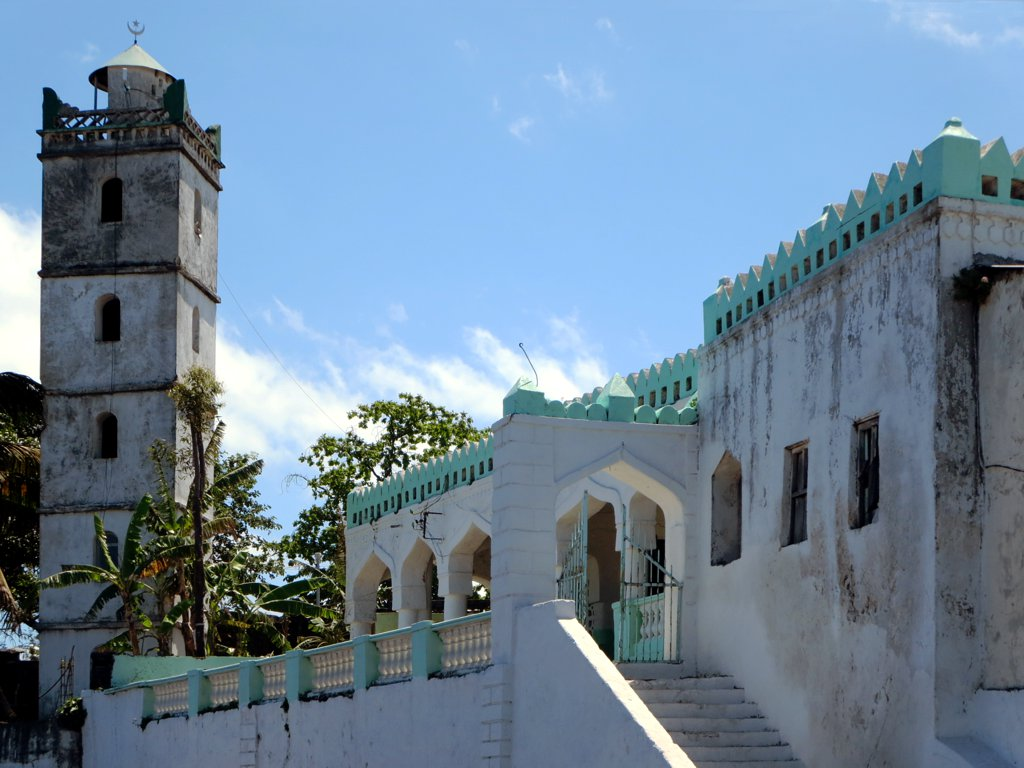
- Coral Stone and Basalt: The islanders have historically relied on coral stone and basalt as primary building materials. Coral stone, a plentiful resource from the surrounding reefs, is particularly durable and resistant to the harsh weather conditions. The use of coral stone in walls, foundations, and decorative elements is a hallmark of Comorian architecture, often mixed with lime and plaster for strength and aesthetic appeal.
- Wood and Palm Fronds: Wood, often sourced from local trees, was traditionally used for beams, doors, and ceilings. Palm fronds were also utilized for roofing, particularly in rural areas. This material was well-suited for the humid and rainy climate, offering both insulation and ventilation.
- Thatched Roofs: Traditional homes in the Comoros often feature steeply pitched thatched roofs designed to shed rain and provide cooling in the tropical heat. The high ceilings, often adorned with intricate woodwork, create a natural flow of air throughout the interior.
These materials are not only functional but also deeply tied to the islands’ cultural practices. The use of coral stone, for instance, was a way of reinforcing community ties, as quarrying and building with local materials often involved collaborative labor, strengthening social bonds within villages.
Urban Layout and Design
The urban planning of the Comoros, particularly in historic cities like Mutsamudu, Moroni, and Domoni, reveals an intricate understanding of social, environmental, and political factors. The Comorian urban landscape is shaped by narrow, labyrinthine streets, reflecting both the Swahili heritage of the islands and the need for security in times of conflict.
Medina Structure
The medieval medinas (old city centers) of the Comoros—especially in Moroni and Mutsamudu—feature tightly packed buildings that line narrow streets and alleys. These ancient cityscapes are reminiscent of other Swahili cities along the East African coast, such as Zanzibar and Lamu, which similarly employed the principles of defensive architecture while maintaining social cohesion. This layout, with its covered passageways and compact designs, facilitated trade and communication while offering protection from the elements and potential invaders.
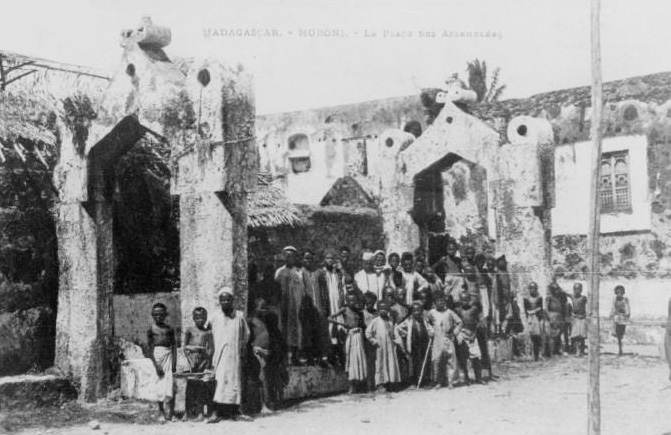
At the heart of these medinas are public spaces, such as squares and markets, where local life thrives. These areas, often surrounded by palaces, mosques, and public buildings, serve as gathering points for social and political life. Notably, the historical significance of these public spaces is preserved in the layout of towns like Moroni, where the Great Mosque and Sultan’s Palace are prominent features.
Courtyards and Domestic Architecture
Traditional Comorian houses are often centered around a central courtyard, which serves as the heart of domestic life. These homes are typically one or two stories tall, with a simple yet effective design that allows for cooling breezes to flow through the spaces. The rooms are typically organized in a way that allows for maximum privacy and separation of the genders, in keeping with Islamic practices.
The courtyards, often enclosed by walls and with elaborate wooden gates, serve as both private outdoor spaces and places for social interaction. This design reflects the dual needs of privacy and communal living, with the architectural features speaking to the social hierarchies and cultural norms of the time.
Religious Architecture
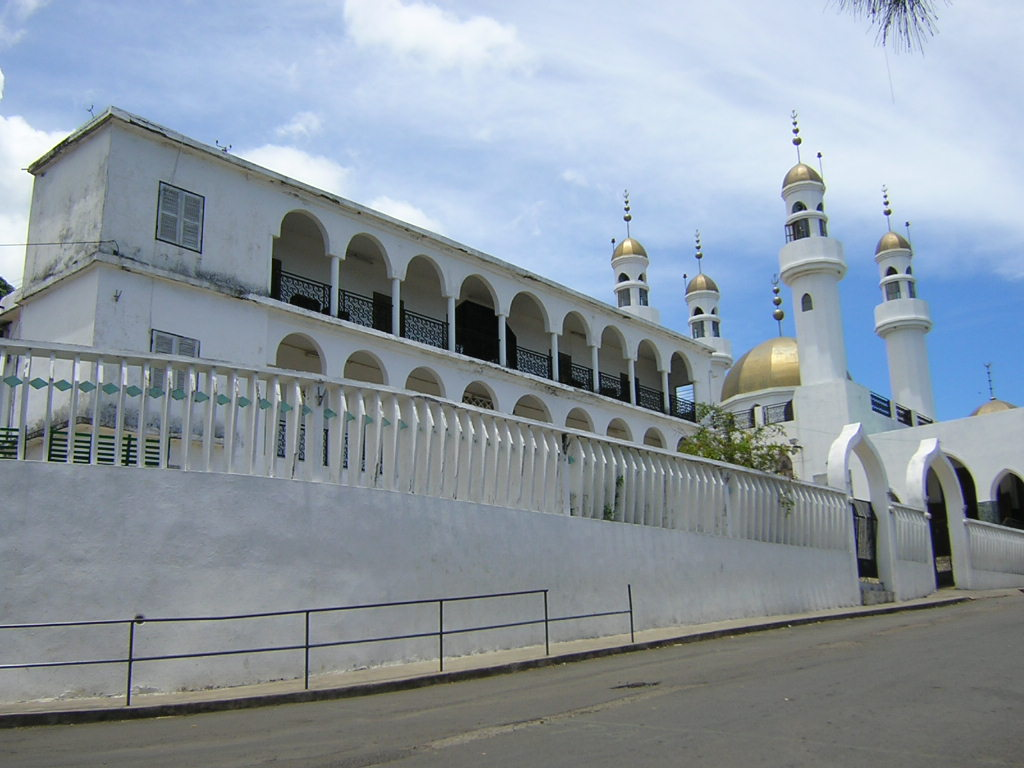
The architectural style of religious buildings in the Comoros is strongly influenced by Islamic traditions, though it also incorporates local Swahili and African elements. The mosques of the Comoros are particularly noteworthy, with their distinctive use of coral stone, carved wooden doors, and decorated minarets. These buildings are designed not only as places of worship but also as centers of community life, providing spaces for socializing, education, and even governance.
Challenges in Preservation
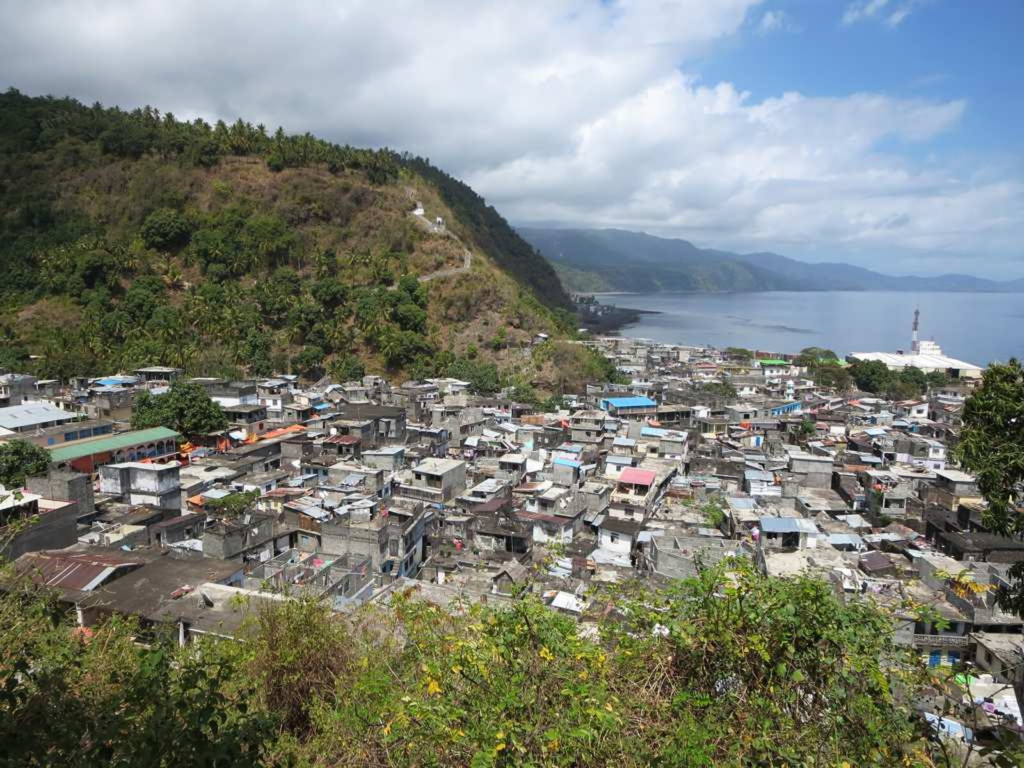
Despite the rich architectural heritage of the Comoros, the islands face significant challenges in preserving these traditional structures. Modernization, economic development, and natural disasters such as cyclones have led to the deterioration of many historic buildings. The shift towards concrete and metal construction materials, as well as a lack of skilled artisans, has further endangered the preservation of traditional techniques.
Efforts are being made to document and restore the region’s architectural heritage, with international organizations like UNESCO and local NGOs working to train artisans and raise awareness about the importance of safeguarding these buildings for future generations.
Architecture As A Crossroads of African, Arab, and Indian Ocean Civilizations
The traditional architecture of the Comoros Islands stands as a testament to the creativity of its people. It reflects the islanders’ ability to blend indigenous African, Islamic, and Swahili influences into a unique architectural language that is both functional and aesthetically beautiful. As the islands continue to modernize, efforts to preserve their architectural heritage will ensure that future generations can continue to experience the rich cultural history embedded in these buildings. The Comoros’ traditional architecture is not just a physical structure but a living, breathing part of the islanders’ identity and cultural continuity. By understanding the intricate layers of architectural history in the Comoros, one can gain a deeper appreciation for the islands’ unique position at the crossroads of African, Arab, and Indian Ocean civilizations.
Ralph Hage is a Lebanese American architect who divides his time between Lebanon and the United States.
Want more articles like this? Sign up for our e-newsletter!
Check out our blog here!






.jpg#/media/File:Salmata_Hamissi_Mosque_(10893772245).jpg)
.jpg#/media/File:Mosque_in_Moroni,_Comoros_(3923026238).jpg)
.jpg#/media/File:Mutsamudu_(9983246206).jpg)