

Subscribe
to receive news by email

Poll
Will the Trump Administration Shift U.S. Policy in Favor of Palestine?
- No (87%)
- Yes (13%)
 Loading ...
Copyright © 2026 Arab America
Go topBahrain's Architecture: A Reflection of Culture and Craftsmanship
By: Ralph I. Hage/ Arab America Contributing Writer
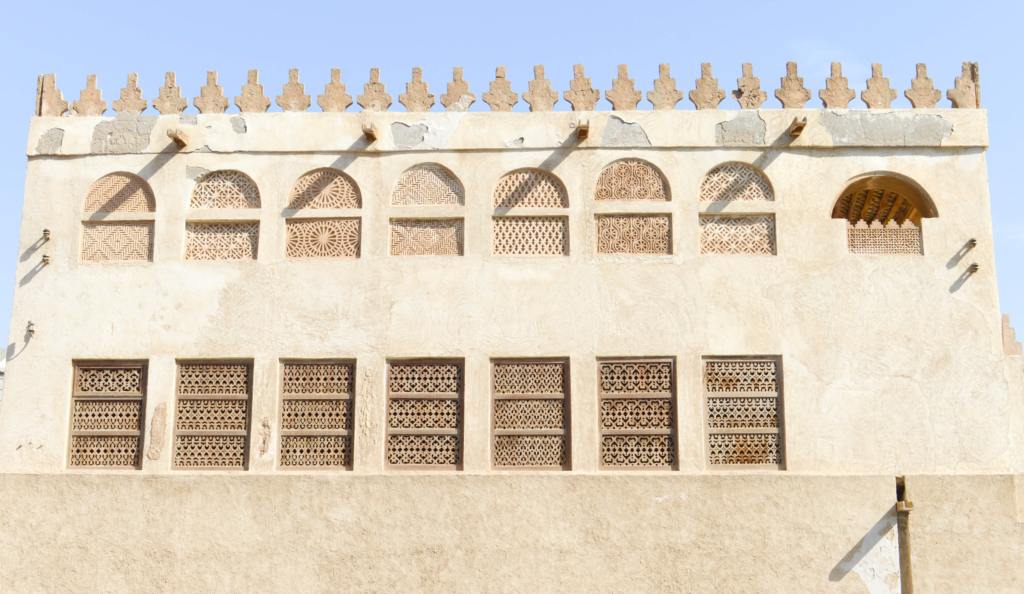
The traditional architecture of Bahrain is a captivating blend of cultural heritage, environmental adaptation, and skilled craftsmanship. Rooted in centuries of history, it reflects the island nation’s response to its arid climate, socio-economic conditions, and trade influences. From wind towers and thick coral stone walls to intricately carved wooden doors and shaded courtyards, Bahrain’s traditional buildings tell a story of a people deeply attuned to their environment and way of life.
Historical Context
Located in the heart of the Arabian Gulf, Bahrain has long been a cultural and commercial crossroads. Its strategic position made it a hub for ancient trade routes, bringing diverse influences from Persia, India, and the wider Islamic world. These influences are evident in the architecture, which harmonizes regional design principles with local materials and practical necessities.
Traditional Bahraini architecture primarily developed in response to the climate – hot, dry summers and mild winters – and the island’s limited natural resources. Before the discovery of oil in the 20th century, the economy revolved around fishing, pearl diving, and trade. Houses were modest but ingeniously designed to offer comfort and functionality in harsh conditions.
Materials and Construction Techniques
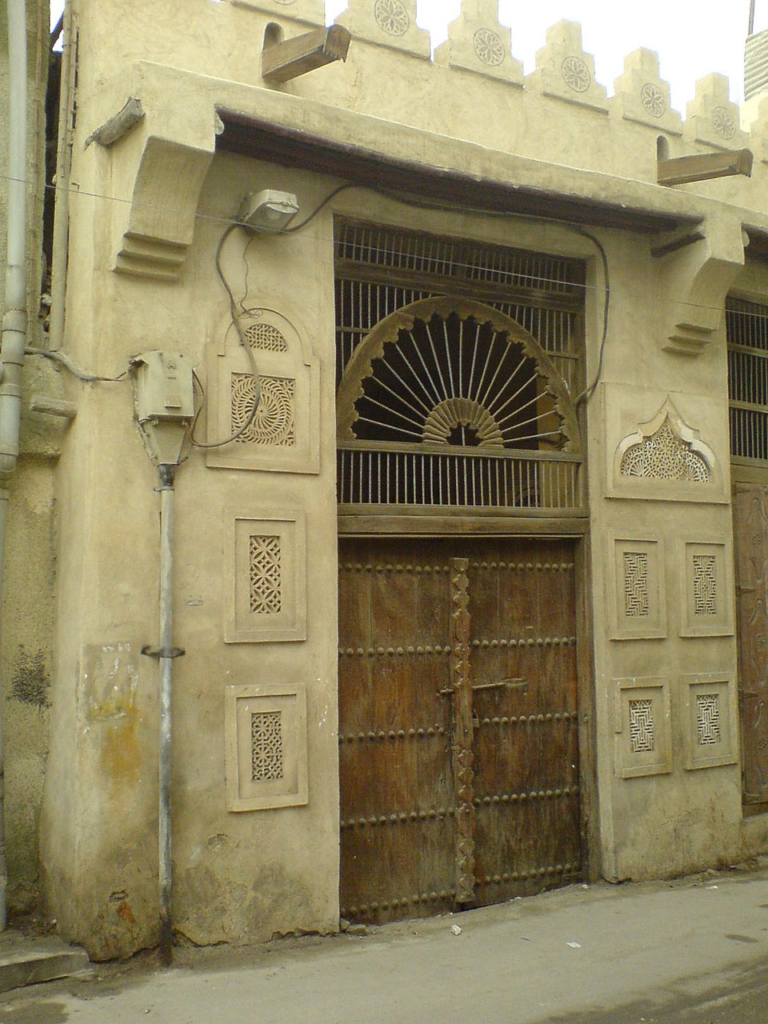
Traditional buildings in Bahrain were made using locally sourced materials, particularly coral stone, gypsum plaster, palm trunks, and mud. Coral stones, harvested from the shallow sea waters surrounding the islands, were the primary building blocks. Lightweight yet strong, they have excellent insulating properties, keeping interiors cool in summer and warm in winter.
The stones were bound using gypsum-based mortar, and the walls were often more than 50 cm thick to offer additional insulation. Roofs were constructed with palm trunks, covered with layers of woven palm fronds, and coated with mud and lime for waterproofing.
Wood, particularly teak imported from India and East Africa, was used for doors, windows, and structural beams. These materials not only added strength but were often beautifully carved and decorated, showcasing the artisan skills of local craftsmen.
Architectural Features
Bahraini architecture includes several distinct features that are both functional and aesthetic:
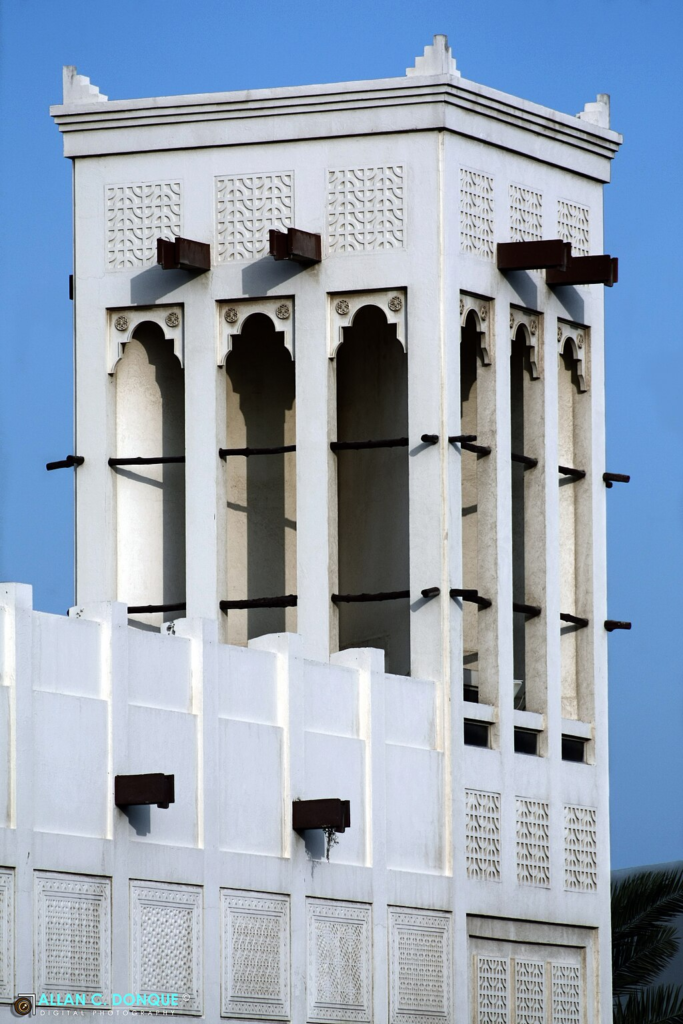
1. Wind Towers
One of the most iconic features of traditional Bahraini homes is the wind tower. These structures act as natural air-conditioning systems, catching breezes at higher altitudes and directing them into the building’s interior. As the wind moves through the tower and into the rooms below, it creates airflow and reduces indoor temperatures. Wind towers are particularly effective in Bahrain’s hot, humid climate and are a testament to the ingenuity of vernacular architecture in the Gulf.
2. Courtyards
Another hallmark of traditional Bahraini architecture is the central courtyard. Houses were typically organized around a shaded, open-air courtyard, which served as a private family space for socializing, resting, and household activities. The courtyard allowed for cross-ventilation and helped regulate temperature by trapping cooler night air.
In larger homes, the courtyard often included a well or small garden with date palms and flowering plants, creating a pleasant microclimate and providing relief from the intense sun.
3. Mashrabiya
Privacy is a key element in Islamic architecture, and this is reflected in the use of latticed wooden screens that cover windows and balconies. In Bahrain, these take the form of projecting wooden balconies enclosed with intricately carved woodwork. These features allow light and air to enter while ensuring privacy for the inhabitants, especially women.
4. Decorative Elements
While functional, traditional Bahraini architecture is also rich in aesthetic detail. Doors and windows are often elaborately carved, incorporating Islamic geometric patterns, calligraphy, and floral motifs. Wooden doors frequently feature metal studs, not only as decoration but also for reinforcement and security.
Interior spaces may also include decorative plasterwork and colorful ceramic tiles, especially in wealthier homes. These details serve not only to beautify the home but also reflect the owner’s social status and taste.
Urban Layout and Social Design
Traditional Bahraini towns and villages, such as Muharraq and Manama, were organized in organic layouts, with narrow, winding alleyways that provided shade and protection from wind-blown sand. This design also fostered community cohesion and reflected tribal or familial groupings. Neighborhoods were centered around mosques, markets, and majlis – communal spaces where men gathered for discussions and social interaction.
The design of homes was also influenced by cultural values, particularly Islamic principles of privacy and modesty. Women’s quarters were typically located away from the public parts of the house, and sight lines from the street were minimized to ensure privacy.
Religious and Public Buildings
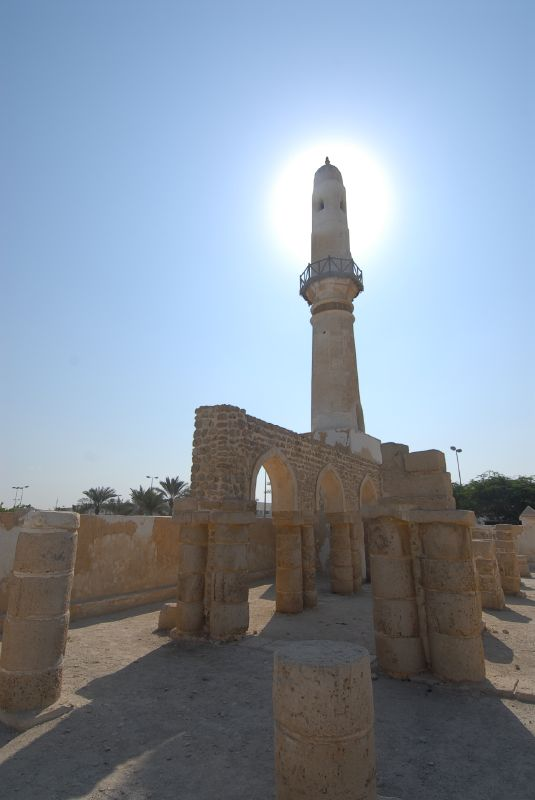
In addition to homes, Bahrain’s traditional architecture includes mosques, madrasas, and caravanserais. Mosques were usually simple structures with flat roofs, square minarets, and small courtyards. The Al Khamis Mosque, dating back to the 7th century, is one of the oldest mosques in the region and a prime example of early Islamic architecture in Bahrain.
Public buildings often incorporated similar materials and features as homes, but on a larger scale. The Arad Fort and Riffa Fort, for instance, demonstrate defensive architectural strategies, including high walls, narrow windows, and elevated watchtowers.
Preservation and Revival
With the advent of oil wealth and modernization in the mid-20th century, much of Bahrain’s traditional architecture was replaced by concrete and glass structures. However, in recent decades, there has been a growing appreciation for the cultural and architectural heritage of the island.
Organizations such as the Bahrain Authority for Culture and Antiquities (BACA) have spearheaded restoration projects, particularly in the old city of Muharraq, which is now a UNESCO World Heritage Site. Initiatives like the Pearling Path project aim to preserve historic homes and public buildings while educating the public about traditional craftsmanship and urban heritage.
In addition to this, many architects and designers are drawing inspiration from traditional elements to create modern buildings that are sustainable, climate-responsive, and culturally rooted.
Links To The Past, Inspiration For The Future
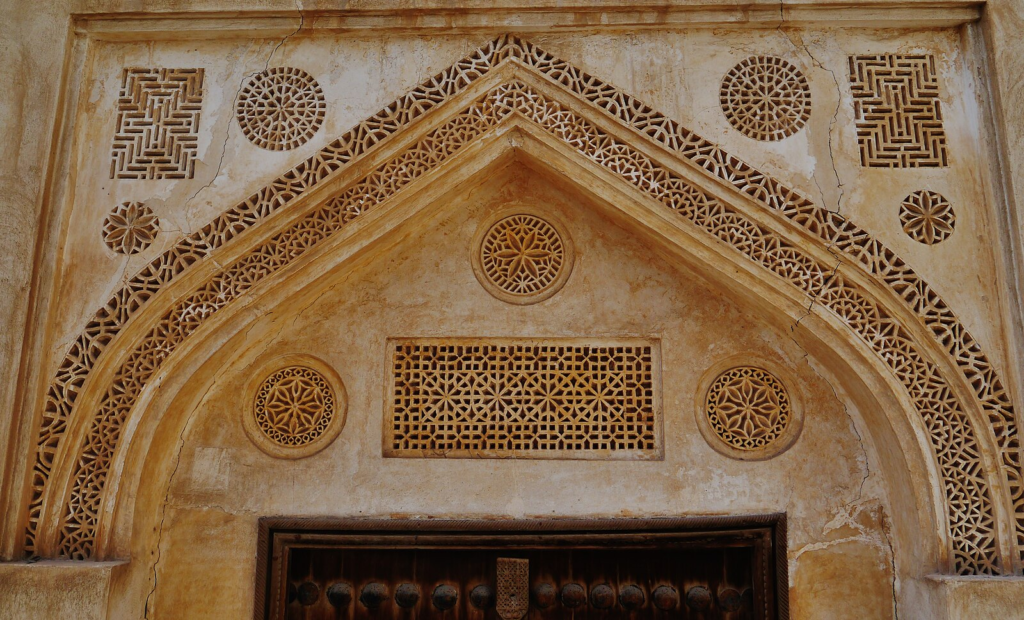
The traditional architecture of Bahrain is a rich tapestry woven from the threads of environmental necessity, cultural values, and artisanal skill. From wind towers and shaded courtyards to coral stone walls and carved wooden doors, these structures are not merely functional dwellings but embodiments of a way of life attuned to the rhythms of nature and society. As Bahrain continues to develop, the preservation and revival of its architectural heritage serve as vital links to the past and inspiration for a more sustainable future.
Ralph Hage is a Lebanese American architect who divides his time between Lebanon and the United States.
Want more articles like this? Sign up for our e-newsletter!
Check out our blog here!






.jpeg#/media/File:Different_Patterns_(246899199).jpeg)


