Subscribe
to receive news by email
Poll
Will the Trump Administration Shift U.S. Policy in Favor of Palestine?
- No (87%)
- Yes (13%)
 Loading ...
Copyright © 2026 Arab America
Go topBridges of Culture: Arab Contributions to Italy
By: Fayzeh Abou Ardat / Arab America Contributing Writer
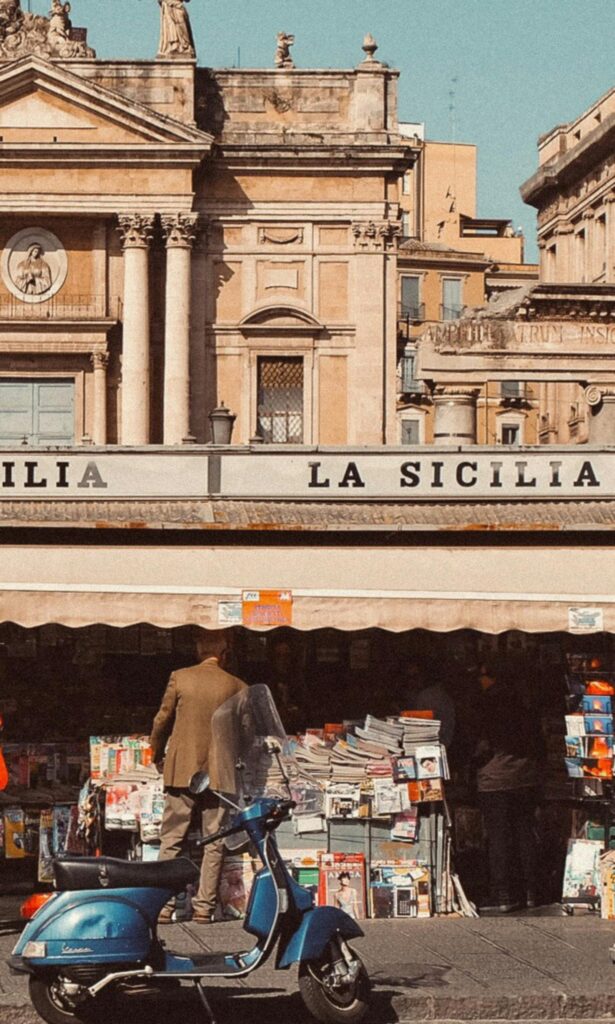
Southern Italy, particularly Sicily and parts of Calabria, carry a profound legacy of Arab influence. This influence began with the Arab conquest of Sicily in the 9th century. It has left an unforgettable imprint on the region’s architecture, cuisine, language, science, and cultural identity. Despite the defeat of the Normans, the Arab presence had a profound impact on the regional characteristics of Southern Italy. Fayzeh Abou Ardat, an Arab America contributing writer, examines the enduring legacy of Arab influence in Southern Italy and its ongoing impact on the region today.
Architecture
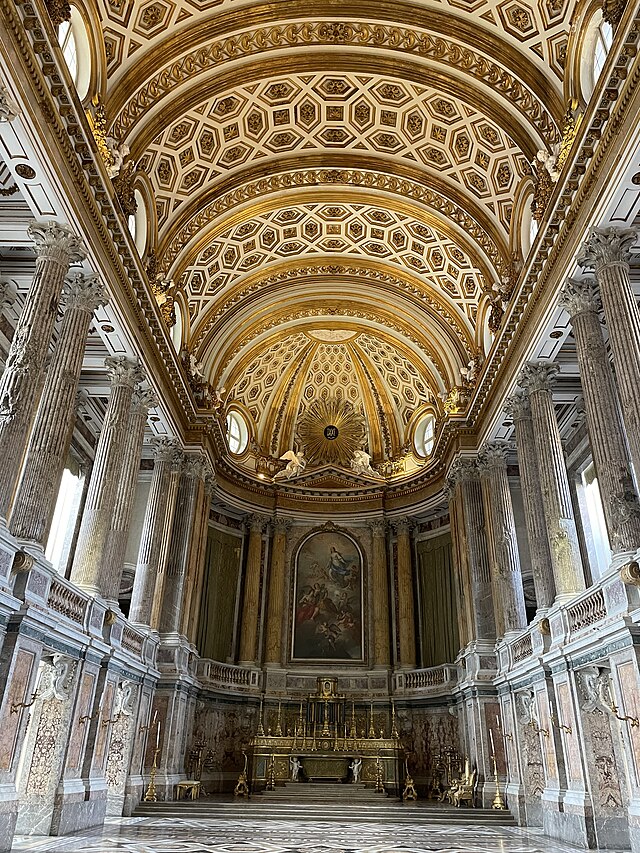
One of the most prominent legacies of Arabian influence in Southern Italy is evident in its architecture, particularly in Sicily. The period of the Arab conquest (827–902 AD) saw the construction of mosques, palaces, and gardens. These were designed in Islamic styles in what is modern-day Sicily. Although the Normans conquered the Arabs in the 11th century, they preserved and adapted the Arab architectural traditions, which, over time, evolved into the Arabo-Norman style.
The Arabo-Norman style fusion is exemplified in the heart of Sicily’s capital, Palermo. In the Norman Palace, The Palatine Chapel (Cappella Palatina) features various pieces of Islamic architecture. Firstly, there are the notable Islamic muqarnas (stalactite-like ceiling decorations), which are designed in a honeycomb pattern, reflecting the advanced craftsmanship of Islamic artisans and cultural fusion. The Chapel also features Arabic calligraphy, geometrically patterned mosaics, Christian iconography and Latin inscriptions. The two other palaces, Zisa and Cuba, also demonstrate Arab architecture. This is especially evident in the gardens, which feature cubic forms and internal water channels.
UNESCO has recognized the Arabo-Norman architecture in Palermo and nearby towns, such as Monreale and Cefalù, as a World Heritage Site, reaffirming the cultural fusion.
Science, Knowledge, and Cultural Exchange
Beyond visible cultural markets such as food and architecture, the Arab presence in Southern Italy also gave rise to a golden age of knowledge and intellectual exchange. Sicily became a crucial bridge between the Islamic world and Christian Europe. This connection fostered a prosperous environment for the development of science, philosophy, medicine, and mathematics. Classical Greek texts were translated by Arabs, most famously Aristotle, which allowed them to be accessible to European speakers centuries later.
Arab scholars additionally introduced revolutionary advancements in mathematics to Southern Italy. The most profound advancement was the introduction of the Arabic numeral system. It included the number zero, replaced Roman numerals, and simplified what was once complicated. Due to the new numeral system, the region was able to advance in trade, engineering and scientific work. As a result of Sicily’s multicultural heritage, these works were translated from Arabic to Latin, making the knowledge accessible throughout Europe, which has remained in Sicily and across the continent to this day.
Cuisine
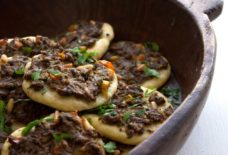
Arab influence was a transformative experience for the culinary landscape of Southern Italy. Arabs introduced a variety of crops and culinary techniques that formed the foundation for the majority of modern Sicilian cuisine. Key food items include sugarcane, citrus fruits (such as lemons and oranges), rice, spinach, pistachios, and spices like cinnamon, saffron, and cloves.
These ingredients inspired traditional, modern-day Sicilian cuisine. One of the most noticeable dishes inspired by the Arab influence is the arancini (fried rice balls), cassata (a layered dessert with ricotta, candied fruit, and sponge cake), and granita (a frozen drink made with sugar, water, and flavourings). All of these modern Sicilian dishes are rooted in Arab culinary traditional foods.
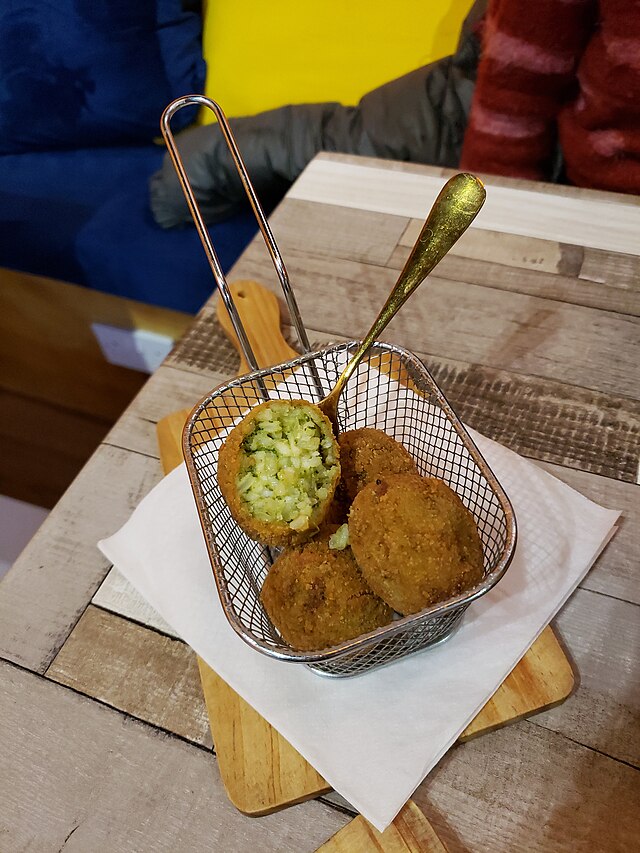
Even the North African staple couscous remains a persistent tradition in parts of Western Sicily, particularly in Trapani. In Trapani, the couscous is known as cuscus alla trapanese, a modification made with fish broth due to the geographical availability of tuna and red prawns.
Language
Although Arabic is no longer the spoken language in Southern Italy, its linguistic influence is rooted in local dialects, particularly the Sicilian dialect. Over time, the Arabic language transformed and developed into parts of the Sicilian dialect. Many of these words pertain to agriculture, food, and daily life – all topics that had a massive Arab influence. Examples include:
- Ràis (from Ra’is, Boss/leader)
- Giggiulena (from Jujulan, sesame)
- Chitarra (from Qithara, Guitar)
The enduring linguistic legacy highlights the long-lasting impact of Arab rule on Sicilian identity, as it is woven into everyday language.
The Arab influence in Southern Italy is a prime example of the region’s pivotal role as a crossroads of civilizations. While often overshadowed by Roman and Greek narratives, the Arab period laid critical foundations in architecture, food, language, and science. Today, the remnants of that era continue to enrich the cultural fabric of Southern Italy, making it one of Europe’s most complex and fascinating regions.
Want more articles like this? Sign up for our e-newsletter!
Check our blog here!