

Subscribe
to receive news by email

Poll
Will the Trump Administration Shift U.S. Policy in Favor of Palestine?
- No (87%)
- Yes (13%)
 Loading ...
Copyright © 2026 Arab America
Go topEgypt's Architecture: Adaptation, Identity, and Innovation
By: Ralph I. Hage / Arab America Contributing Writer
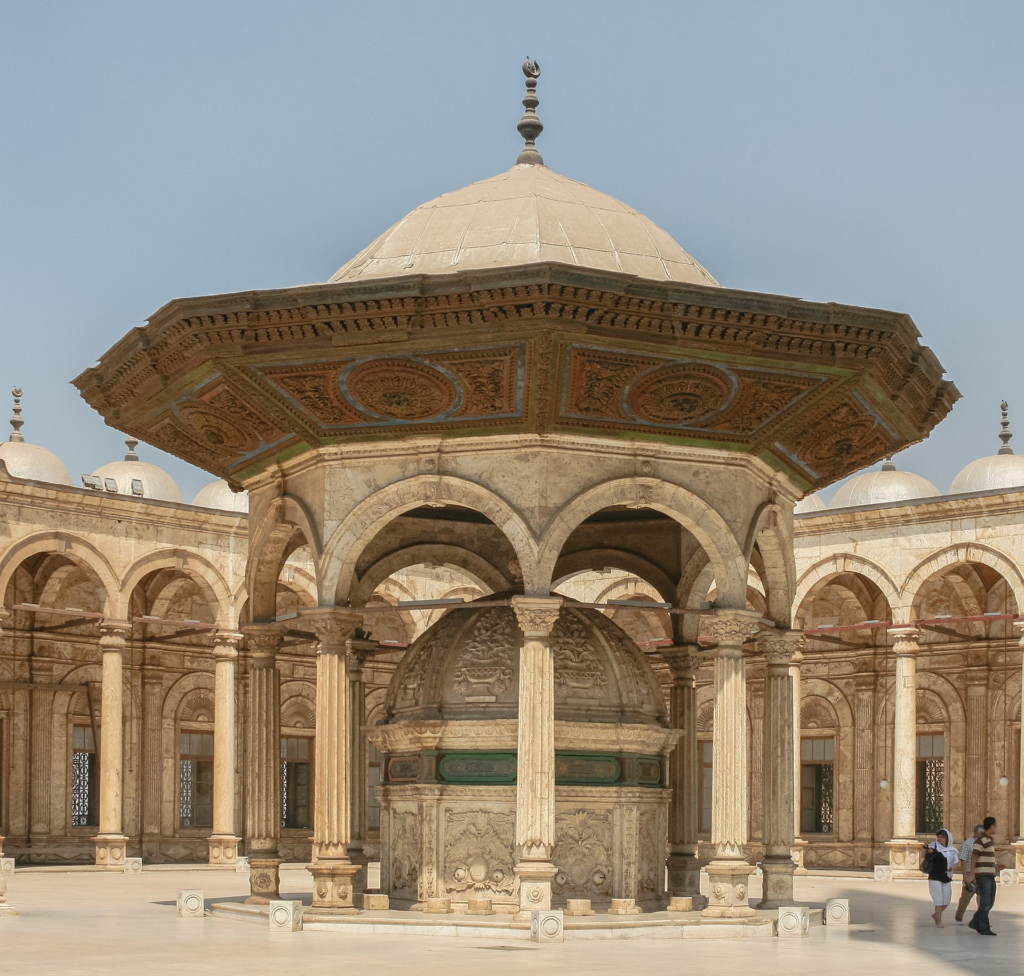
Egypt is globally renowned for its ancient pyramids and temples, but its traditional architecture extends far beyond these iconic monuments. Spanning centuries, Egyptian architecture reflects a unique synthesis of climate-responsive design, cultural identity, and historical continuity. From sun-drenched mud brick villages to intricately detailed Islamic buildings, Egypt’s vernacular architecture tells a powerful story of innovation and adaptation.
Environmental Influence on Egyptian Architecture
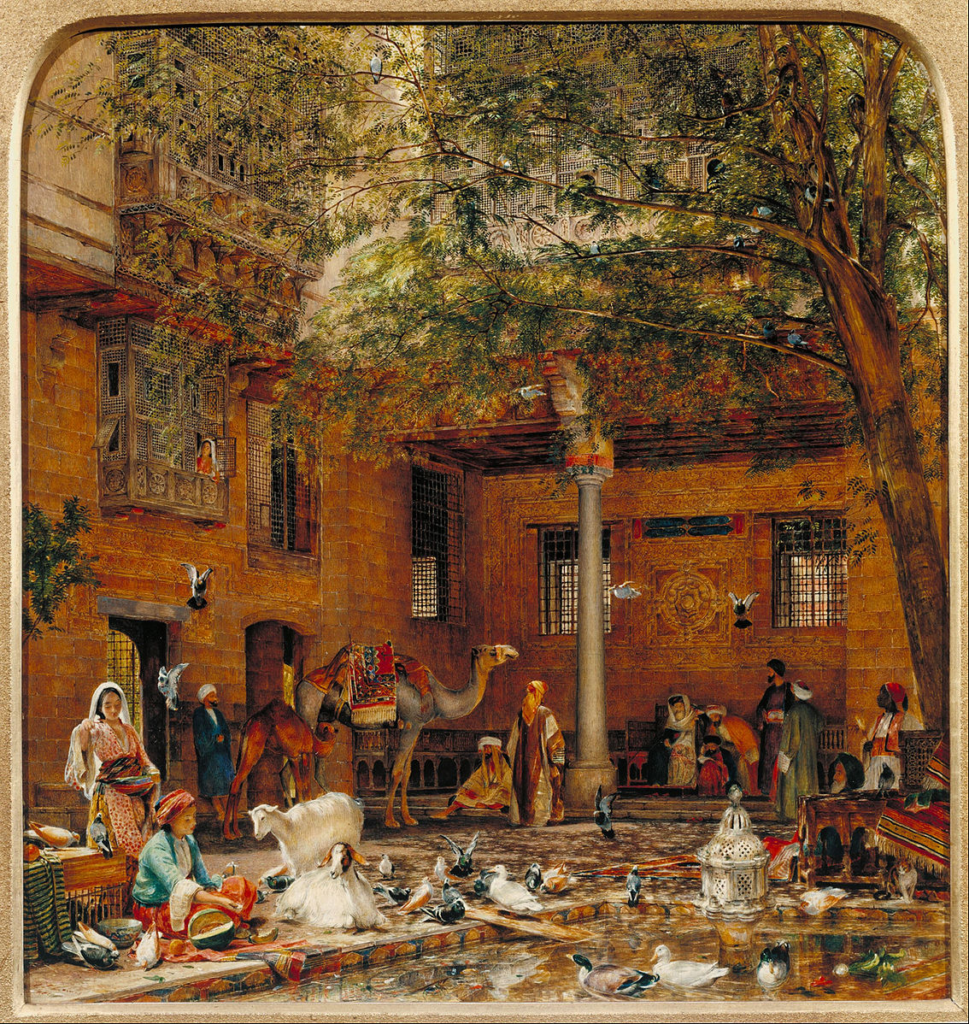
Egypt’s harsh climate, characterized by extreme heat and minimal rainfall, has been a key driver in shaping its traditional architecture. Structures were designed to regulate temperature, conserve resources, and use locally available materials.
One standout material is mud brick, a mixture of Nile silt, straw, and water. Known for its excellent insulation properties, mud brick was used in homes, tombs, and even administrative buildings for thousands of years. Walls were built thick, with small, elevated windows to limit sunlight and trap cool air.
Traditional homes often included a central courtyard, which enhanced ventilation and provided a shaded outdoor living space which is crucial for comfort in Egypt’s hot climate.
Vernacular Housing in Rural Egypt
In rural Egypt, particularly in Upper Egypt and the Nile Delta, vernacular housing remained largely unchanged for centuries. These homes prioritized practicality and environmental harmony.
One example is the Nubian house, commonly found in southern Egypt. Built with mud brick and vaulted or domed roofs, these homes required no wood and offered natural cooling – a perfect solution in timber-scarce regions. The use of locally sourced materials also made construction affordable and sustainable.
Flat roofs often doubled as sleeping areas in the summer, and buildings were typically erected with the help of neighbors, reinforcing community ties.
Hassan Fathy and the Revival of Traditional Design
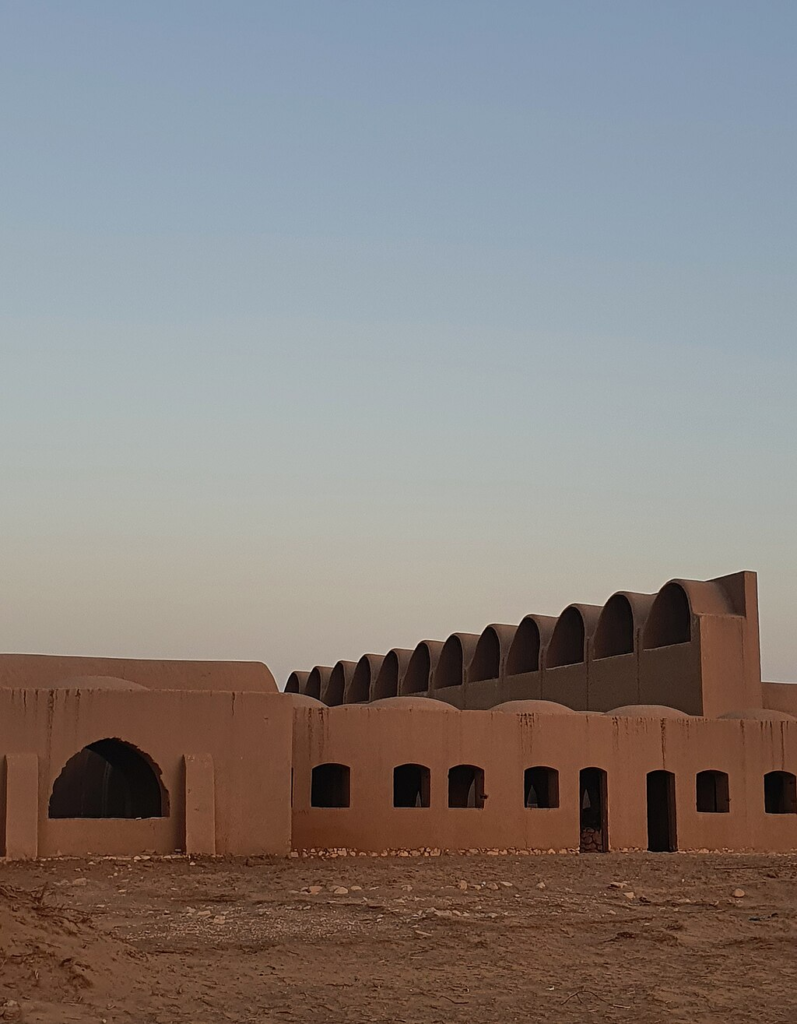
The return to vernacular Egyptian construction techniques in modern times owes much of its architectural rediscovery to Hassan Fathy, a visionary architect who championed traditional building methods as sustainable alternatives to Western styles.
His most famous project, New Gourna Village near Luxor, aimed to rehouse displaced communities using mud brick vaults, natural ventilation, and culturally responsive design. Fathy’s philosophy emphasized community involvement, environmental consciousness, and the spiritual value of traditional craftsmanship.
Through his work and writings, especially Architecture for the Poor, Fathy revived global interest in eco-friendly vernacular architecture.
Islamic Architecture: Cairo’s Urban and Spiritual Fabric
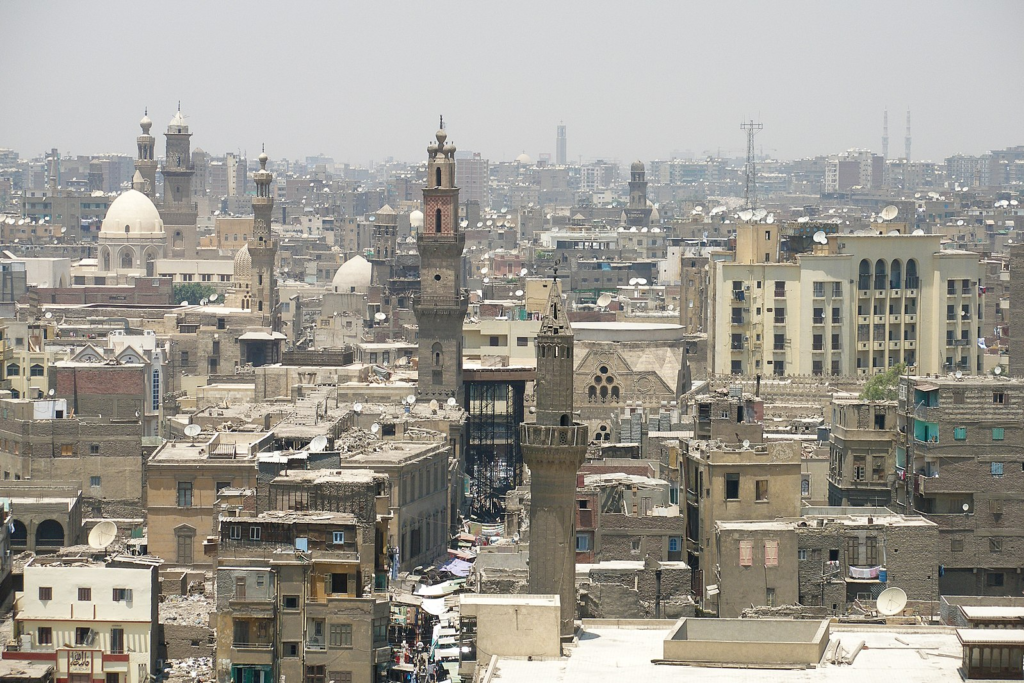
Following the Islamic conquest of Egypt in the 7th century AD, a new architectural language emerged. Cairo, founded in 969 AD, became a showcase of Islamic urban design and artistic expression.
Key features of Islamic architecture in Egypt include:
- Domes and minarets adorning mosques
- The Muqarnas, or stalactite-like decorative elements called
- The Mashrabiya, or carved wooden screens that provide shade and privacy
Homes were often built around inner courtyards, with narrow, winding streets promoting shade and airflow. Neighborhoods developed around mosques and markets, creating tight-knit urban communities.
Cairo’s medieval Islamic buildings, many still standing today, highlight the fusion of utility, artistry, and spirituality in traditional Egyptian architecture.
Coptic Architecture and Christian Heritage
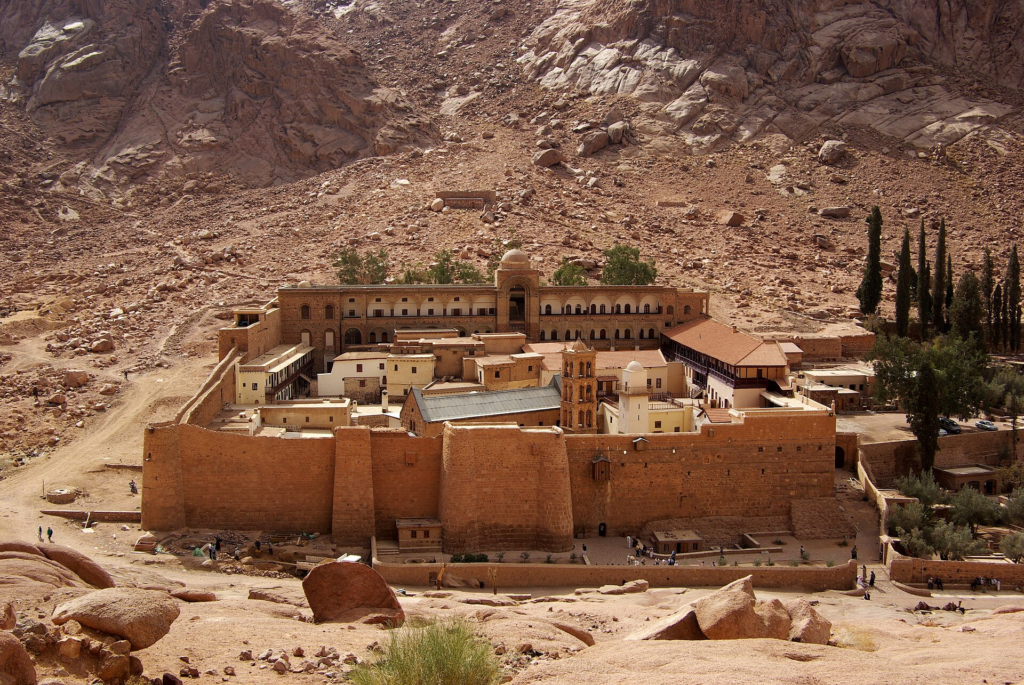
In parallel to Islamic architectural styles, Coptic Christian architecture flourished across Egypt. Early churches adopted the basilica plan and often featured domes, limestone walls, and intricately carved iconostasis screens.
Desert monasteries like St. Catherine’s Monastery in Sinai and those in Wadi El Natrun served dual purposes: places of worship and fortified shelters. These remote structures were self-sustaining and deeply spiritual, reflecting Egypt’s early Christian heritage and diversity.
Challenges and Modern Revival
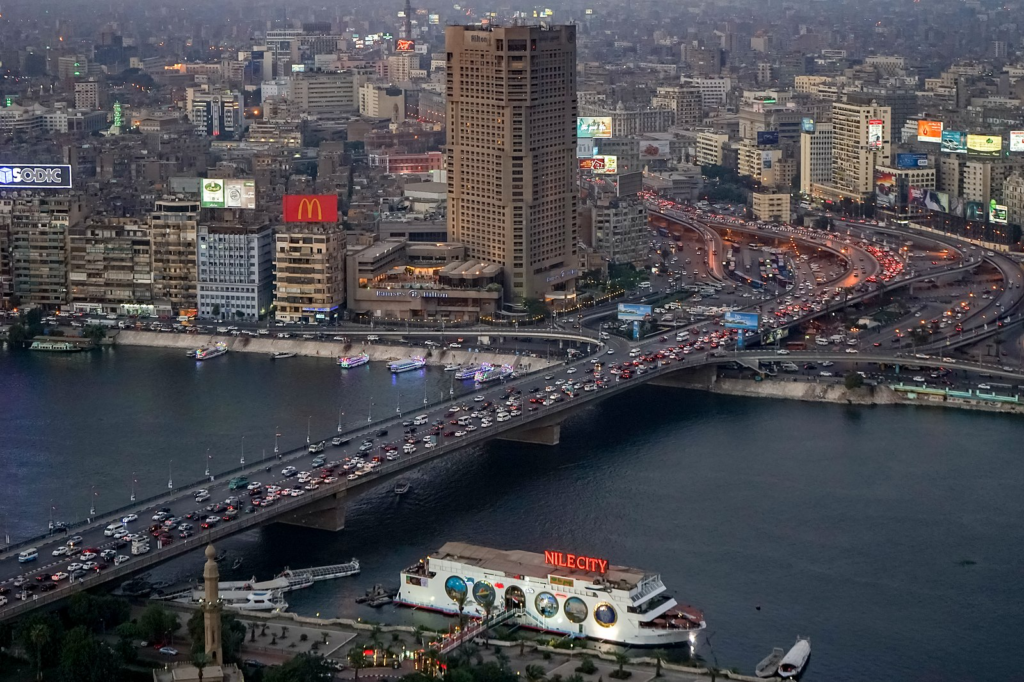
Despite Egypt’s rich architectural history, modern development poses challenges. Rapid urbanization, population growth, and globalized building trends have led to the dominance of concrete and steel structures, often lacking cultural relevance or environmental sensitivity. However, there are positive signs of revival:
- Conservation efforts in Historic Cairo aim to restore and maintain Islamic-era buildings.
- NGOs and architecture collectives are promoting earth-friendly construction, including mud brick workshops and Nubian vault training.
- Contemporary architects are reimagining traditional elements for modern eco-conscious designs.
These movements highlight a growing awareness of the value of tradition in addressing today’s environmental and social needs.
As Egypt Moves Towards The Future
Egypt’s traditional architecture is more than a visual legacy – it’s a blueprint for sustainable, culturally rich, and community-driven design. From mud brick homes that blend seamlessly into the landscape, to mosques and churches that speak to millennia of spiritual life, Egyptian architecture offers enduring lessons.
As Egypt moves towards the future, integrating the wisdom of the past into future projects will foster a more resilient, authentic, historical, and environmentally responsible built environment.
Ralph Hage is a Lebanese American architect who divides his time between Lebanon and the United States.
Want more articles like this? Sign up for our e-newsletter!
Check out our blog here!







.jpg#/media/File:Cairo,_Egypt_(46173582934).jpg)