
Subscribe
to receive news by email

Poll
Will the Trump Administration Shift U.S. Policy in Favor of Palestine?
- No (87%)
- Yes (13%)
 Loading ...
Copyright © 2026 Arab America
Go topFaith and Festivity: Christmas Celebrations in the Arab World
By: Emma Campbell / Arab America Contributing Writer
Christmas takes many forms across the Arab world. Communities shape the holiday through local customs, religious traditions, and social practices. Some celebrations focus on faith and worship, while others center on family, food, and shared public life. These differences reflect the region’s diversity and its long history of religious coexistence. From ancient Christian centers to modern cities, Christmas continues to adapt while maintaining its cultural and spiritual meaning.
Often perceived as a Western holiday, Christmas holds deep historical and cultural significance across the Arab world. From ancient Christian traditions in Bethlehem and the Levant to evolving expressions of the holiday in Muslim-majority countries, Christmas is celebrated in diverse and meaningful ways shaped by faith, culture, and local history. In this article, Arab America contributing writer Emma Campbell discusses how Christmas is observed across the Arab world.

The Religious Heart of Arab Christmas: Bethlehem and Palestine
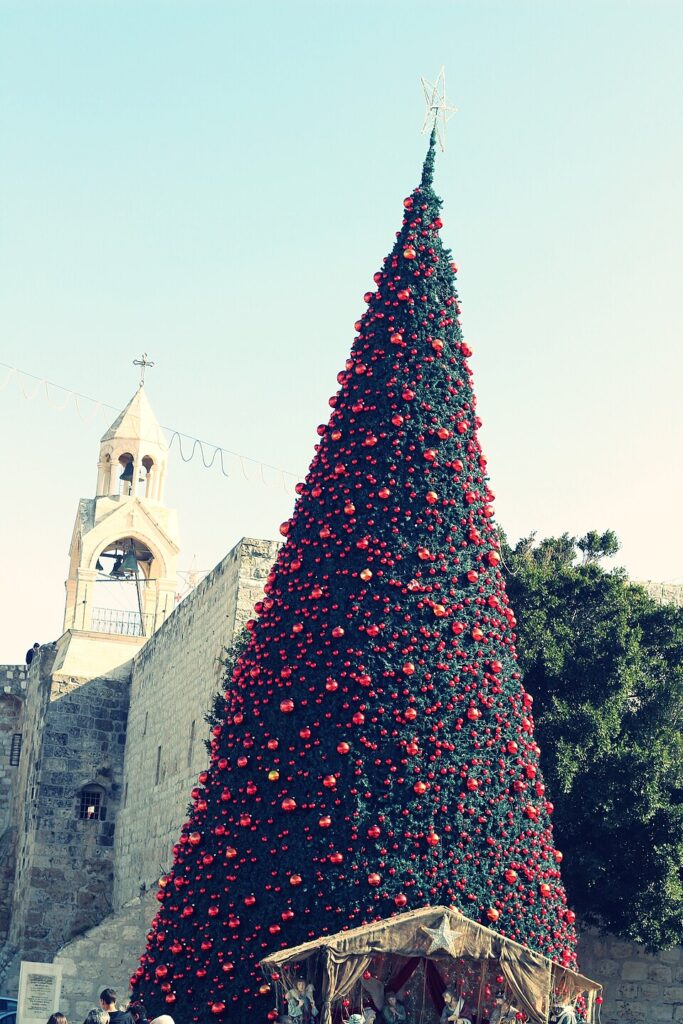
The Arab world stands at the epicenter of the Christmas story. Bethlehem, located in the occupied West Bank, marks the traditional birthplace of Jesus Christ. According to the Middle East Eye, Bethlehem remains one of the most important Christmas destinations in the world. Each year, a Christmas parade marches through the streets on Christmas Eve. Later, the Roman Catholic bishop of Jerusalem hosts a before-midnight service at the Church of the Nativity. Out of the around 47,000 Palestinian Christians in the Occupied Territories (2022), most follow the Eastern Orthodox church, but there are also Catholics and Protestants.
Additionally, the annual Bethlehem Christmas tree lighting brings together many visitors from around the world. For the past two years, Christmas in Bethlehem has been filled with sadness due to the ongoing Palestinian genocide. Despite this, with the current ceasefire supposedly in place, residents and visitors have again started to engage in traditional festivities. According to APnews, this fragile ceasefire signals hope for the future of Palestine, and provides a much-necessary economic boost for Bethlehem. Political tension and conflict still continue to affect daily life in Bethlehem. Despite these challenges, local communities continue to celebrate Christmas as a symbol of faith and resilience.
Diverse Christian Traditions in the Levant
Lebanon
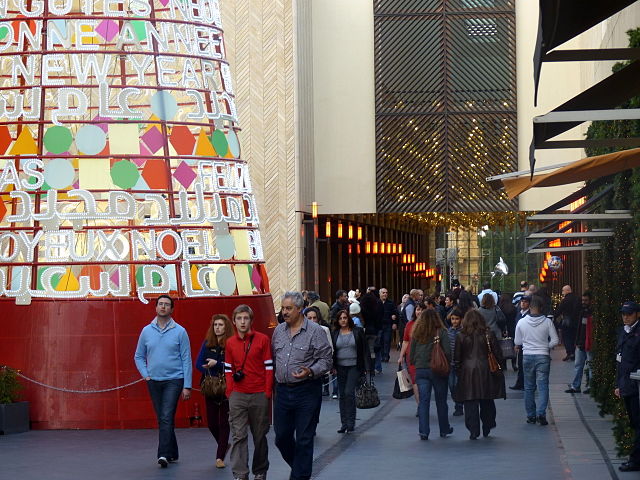
Across the Levant, Christmas plays a strong communal role. In Lebanon, Christmas is an official national holiday. According to Natakallam, roughly 30% of the population in Lebanon is Christian. While many celebrate Christmas on December 25, the Armenian community instead celebrates on January 6. However, despite religious beliefs, Lebanese communities all come together and celebrate the Christmas season. Mikaela Bell, a Natakallam staff member, stated “When I lived in Lebanon, several Muslims told me that Christmas was their favorite holiday. When I asked why, they said that most other holidays in Lebanon were celebrated only by one religious group, but that Christmas was for everyone.”
The holiday season is marked by religious observance, family gatherings, and public festivities. Cities and towns display lights, decorations, and Christmas trees. Families gather for meals and exchange gifts. Many Lebanese Christians also observe Saint Barbara’s Day on December 4, which marks the beginning of the Christmas season. According to Natakallam, families plant wheat or lentils weeks before Christmas to represent both Saint Barbara and Jesus Christ, which later decorate nativity scenes or under the Christmas tree.
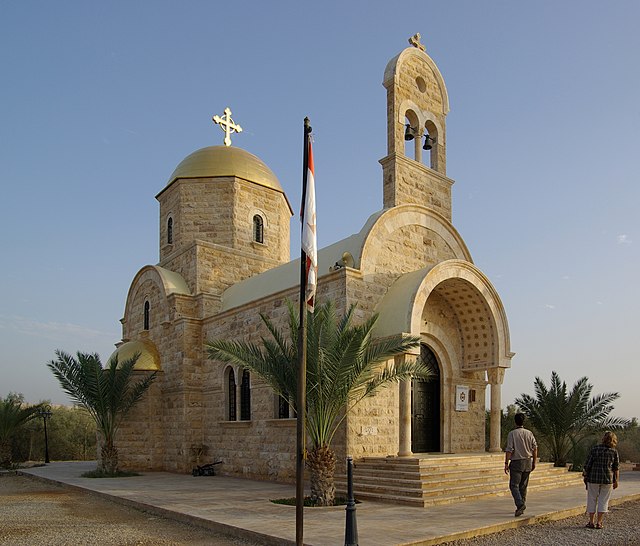
Jordan
In Jordan, Christmas blends public celebration and family devotion. According to Middle East Eye, around 8% of Jordan’s population (~800,000) is Christian. Jordan is also home to many biblical sites, including Mount Nebo where Moses looked across towards the promised land in the Old Testament. Additionally, it is also where John the Baptist may have once performed baptisms. According to Magnificent Travel, cities like Amman fill with lights and decorations during the holiday season. Streets, shops, and neighborhoods with Christian communities display Christmas trees and festive markets. A popular Christmas dish is an infused fruitcake, and its preparations mark a 40-day countdown to Christmas.
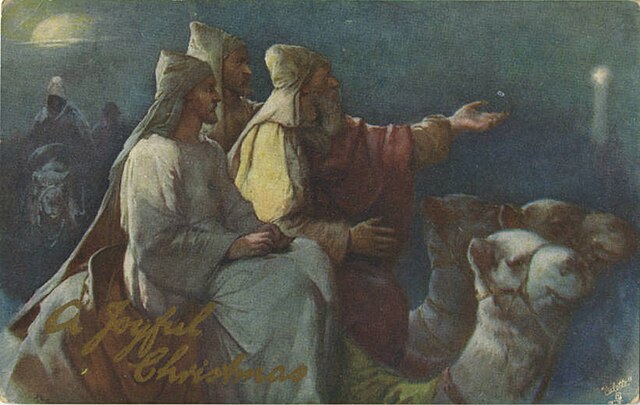
Syria
In Syria, a Christmas camel replaces Santa and his reindeer. According to Middle East Eye, the camel’s significance comes from their transportation of the 3 Wise Men to Bethlehem. Also, it is believed that due to the camel’s intensive journey, baby Jesus granted them eternal life. To welcome the camels, Syrian children fill their shoes with hay and put out bowls of water on Christmas Eve. According to the Arab Baptist Theological Seminary’s certificate holder Olfat, despite years of conflict, Syrian Christians continue to mark Christmas, showing resilience and preserving their cultural and religious practices.
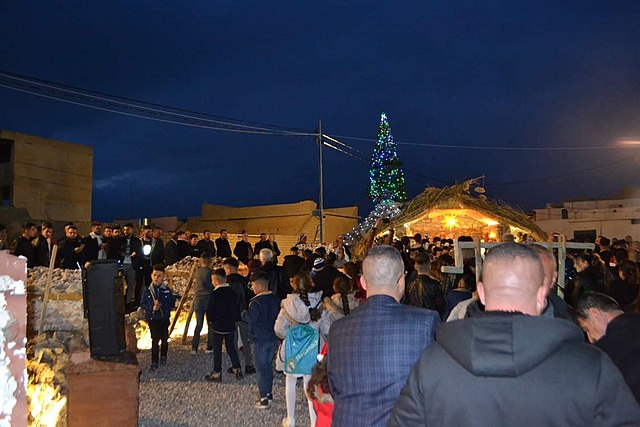
Iraq
In Iraq, Christmas is officially recognized as a public holiday. According to Natakallam, the government declared Christmas a holiday in 2018 to honor the country’s Christian population. However, Christmas carries both religious and social significance. According to Middle East Eye, Iraq’s Christians are one of the oldest Christian groups in the world – with a presence since the 2nd century. Communities mark the holiday with bonfires of thorns that symbolize good fortune. Also, public gatherings serve as symbols of hope and resilience. Natakallam notes that some celebrations also make political statements, emphasizing the presence and rights of Iraq’s Christian population. Families attend church services, share meals, and take part in public festivities where safety allows. Even amid political and social challenges, Christmas continues to highlight both faith and community identity in Iraq.
Christmas in Muslim-Majority Countries: Tradition, Tolerance, and Global Influence
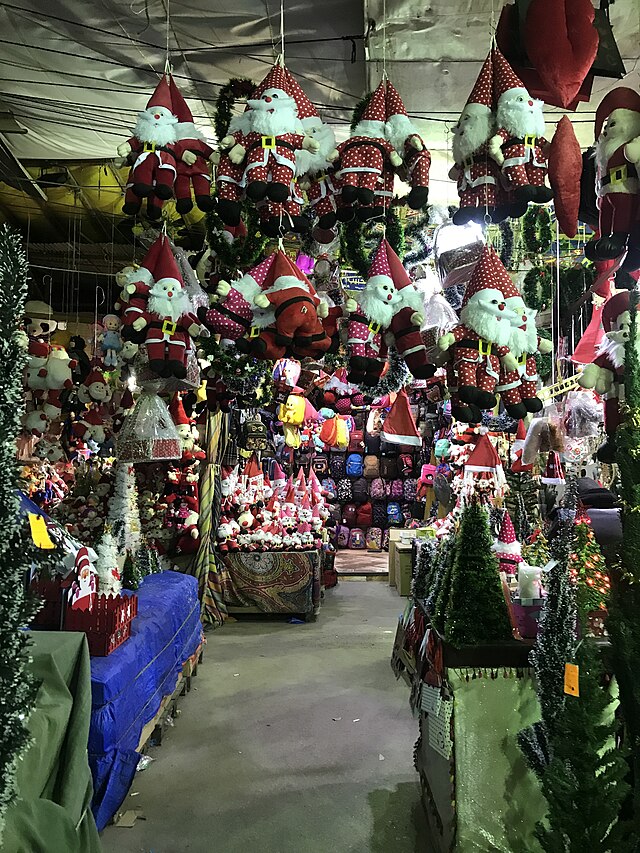
Egypt
In Egypt, both Coptic and Eastern Orthodox Churches lead holiday celebrations. According to Middle East Eye, the Coptic Church split from other Christian denominations in 451 CE. Due to this, they celebrate Christmas according to the Julian calendar, which falls on January 7. Coptic Christians also take part in a Nativity fast, which includes a vegan diet for 43 days before Christmas. Families break the fast with traditional meals, including fattah. Churches hold late-night services filled with prayer and hymns. The Egyptian government officially recognizes Christmas as a public holiday, highlighting the importance of the Coptic Christian community.
Saudi Arabia and the Gulf
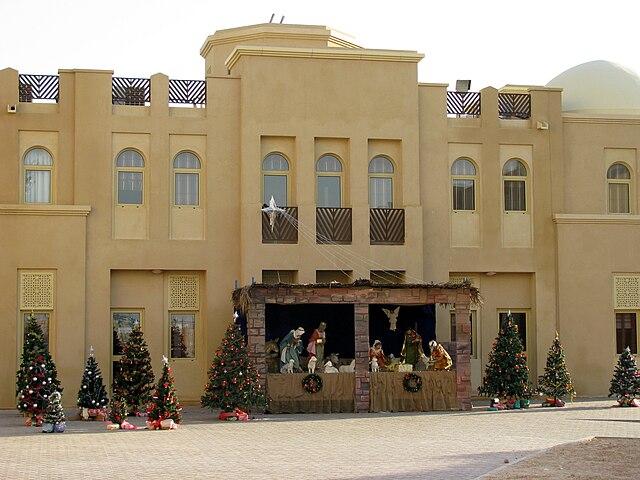
In Saudi Arabia, Christmas is not officially recognized, as public celebration of non-Islamic religious holidays remained limited for decades. However, Condé Nast Traveller Middle East states a gradual cultural shift is occurring. In 2022, Crown Prince Mohammed bin Salman welcomed Christian delegations. Cities like Riyadh and Jeddah now feature seasonal decorations and holiday-themed events. Christian immigrants continue to celebrate Christmas privately in homes and churches. These developments show a gradual shift in cultural visibility, even as public worship remains restricted.
Across other Gulf countries, Christmas celebrations reflect the region’s large expatriate communities. According to MEMOB, cities in the Gulf Cooperation Council (GCC) host seasonal decorations, Christmas markets, and festive events that attract residents of many backgrounds. In places like the United Arab Emirates and Qatar, malls, hotels, and public spaces often display lights, trees, and themed celebrations during the holiday season. Christian communities gather for church services, family meals, and social events. While Christmas may not be a public holiday for citizens, it remains a widely observed cultural celebration for residents.
Faith, Culture, and the Spirit of Christmas
Christmas in the Arab world takes many forms, shaped by history, faith, and local culture. In Bethlehem, Jordan, Lebanon, Syria, and Iraq, celebrations combine religious rituals, family gatherings, and community traditions. In Egypt, Saudi Arabia, and Gulf countries, Christians maintain their faith while sharing the season with wider communities. Across all regions, Christmas highlights resilience, coexistence, and cultural adaptation. The holiday continues to bring people together, celebrating faith, tradition, and community across the Arab world.
!عيد ميلاد مجيد

Want more articles like this? Sign up for our e-newsletter!
Check out our blog here!