

Subscribe
to receive news by email

Poll
Will the Trump Administration Shift U.S. Policy in Favor of Palestine?
- No (86%)
- Yes (14%)
 Loading ...
Copyright © 2026 Arab America
Go topHow Developmental Changes Are Affecting Preserved History Across the Arab World
By London Sewell/ Arab America Contributing Writer
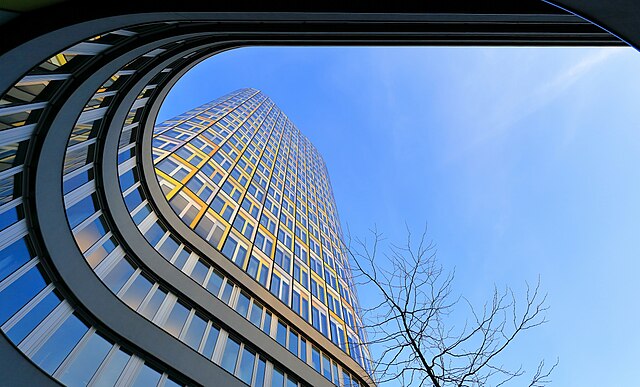
Across the Arab world, rapid development is reshaping cities, landscapes, and daily life. While new roads, towers, and tourism projects bring economic growth, they also affect how history is preserved.
Many historic sites, traditions, and cultural spaces now face pressure from expansion and modernization. The result is a complex balance between progress and protection, where governments, communities, and global groups must decide what to preserve and how to preserve it. One major issue is urban expansion. Cities such as Cairo, Dubai, and Riyadh have grown quickly over the past few decades.
Urban Expansion and Cultural Loss
New buildings often replace older neighborhoods that carry historical meaning. In some cases, entire areas are cleared to make room for highways or business districts. This can lead to the loss of architecture that reflects local identity and the past way of life. Even when some structures remain, they may be surrounded by modern designs that change how people experience them.
Tourism development also plays a large role. Many countries in the region invest in heritage tourism to attract visitors and boost income. Sites are restored, cleaned, and promoted as destinations. While this can help protect certain landmarks, it can also change their meaning. Some places are altered to fit tourist expectations, which may simplify or reshape their history.
Local communities sometimes feel excluded when their heritage becomes a product rather than a lived experience. Another major challenge is conflict and instability in parts of the Arab world. Wars and political struggles have damaged or destroyed important historical sites in countries like Syria, Iraq, and Yemen.
Ancient cities, museums, and monuments have been lost or severely harmed. In these cases, development is not the main issue. Rebuilding efforts after conflict can still affect preservation. Decisions must be made about whether to restore sites to their original form or rebuild them in new ways.
Climate Pressure and Preservation Efforts
Climate change and environmental pressures add another layer. Rising temperatures, desertification, and coastal erosion threaten both natural and built heritage. Historic buildings made from traditional materials may not withstand these changes.
At the same time, development projects aimed at addressing environmental issues can create a situation in which efforts to protect the future may unintentionally harm the past. Despite these challenges, there are ongoing efforts to protect historical heritage.
Governments have started to pass laws that limit construction near important sites. International organizations such as UNESCO work with local groups to identify and safeguard heritage locations. Restoration projects are also becoming more careful, focusing on keeping original features rather than replacing them. These steps show that development and preservation need not be completely opposed.
Community involvement is especially important in this process. Local people often have a deep connection to historical places and traditions. When they are included in planning and decision making, preservation efforts are more likely to respect cultural meaning. Education also plays a key role. By teaching younger generations about the value of heritage, societies can build support for protecting it in the future.
No Single Solution to Preservation
Technology is also shaping how history is preserved. Digital tools allow experts to record sites in detail, creating models that can be studied or restored later. Social media and other online platforms help raise awareness and share knowledge with wider audiences. However, technology cannot fully replace the physical presence of historical places.
It is a support tool rather than a complete solution. While some countries have strong systems in place to protect heritage, others face greater challenges due to economic limits or political issues. This unfair approach means that some sites are well-maintained, while others remain at risk. Ultimately, this shows that there is no single answer to the problem
New development brings both more opportunities and risks to the preserved history of the Arab world. Growth can provide the resources and attention needed to protect important sites, but it can also lead to loss if not managed carefully. The key lies in finding balance. By combining thoughtful planning, community input, and respect for cultural value, it is possible to move forward without leaving the past behind.
Looking ahead, long-term planning will shape how well history is preserved. Governments and planners need to consider heritage early in development projects instead of treating it as an afterthought. Simple steps, such as conducting surveys before construction and obtaining input from local communities to establish protection zones, can make a difference. People need a voice in their communities. This approach can help ensure that future generations still have access to the stories, places, and traditions. Protecting history today is essential to keeping culture and heritage alive for future generations.
Want more articles like this? Sign up for our e-newsletter!
Check our blog here!