Subscribe
to receive news by email

Poll
Will the Trump Administration Shift U.S. Policy in Favor of Palestine?
- No (87%)
- Yes (13%)
 Loading ...
Copyright © 2026 Arab America
Go topMauritania’s Growing Ties With the Arab World
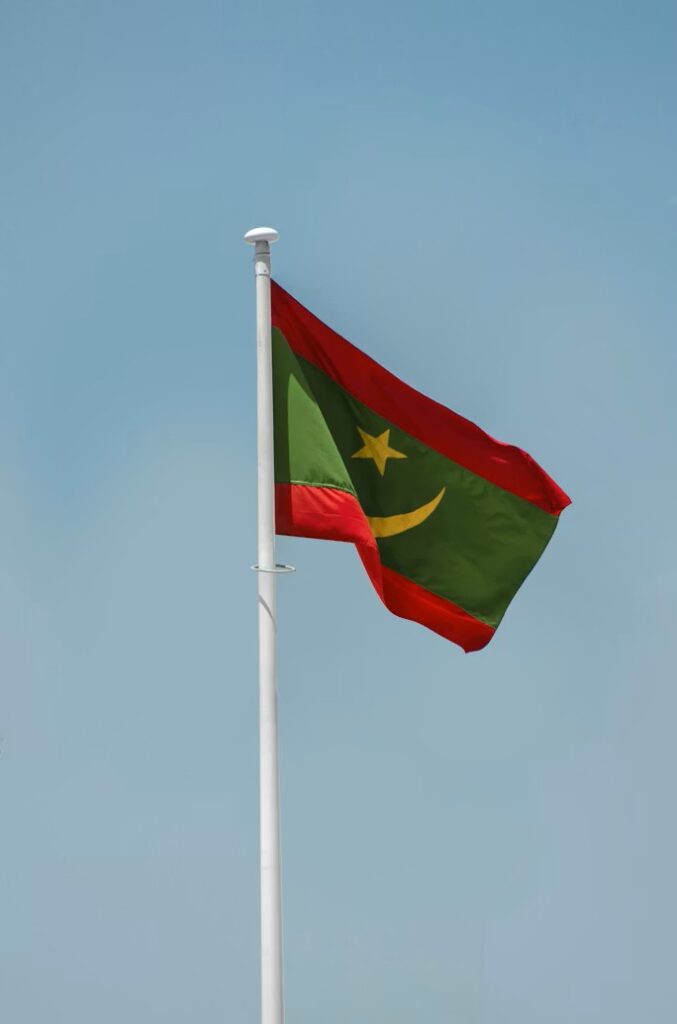
By: Robert Jackson/Arab America Contributing Writer
Mauritania, on the western edge of the Arab League, has deep cultural and political ties to the Sahel, is increasingly asserting itself as a North African nation. Over the past several years, Nouakchott, the capital of Mauritania, has actively broadened its diplomatic, economic, and security relationships with North African nations and regional partners, a change that reflects both geopolitical opportunity and domestic imperatives.
Situated on the Atlantic coast at the crossroads of North and West Africa, Mauritania occupies a unique geopolitical position. Its relatively stable governance, compared with many of its neighbors in West Africa, has made it an attractive partner in a region grappling with insecurity, economic underdevelopment, and shifting global alignments. As the international landscape evolves Mauritania is stepping into more defined position.
Relations With Morocco
One of the most significant facets of Mauritania’s North African engagement has been the deepening economic partnership with Morocco. Cooperation between Nouakchott and Rabat has accelerated in recent years, anchored by agreements spanning energy, transport, trade, and connectivity. Following a high-level meeting between Mauritanian President Mohamed Ould Ghazouani and King Mohammed VI in December 2024, both nations endorsed Morocco’s Atlantic Initiative, a regional plan aimed at expanding trade corridors and integrating Sahel and North African economies.
These agreements include ambitious projects such as grid interconnections for energy, leveraging Mauritania’s rich offshore gas resources, and potentially linking them through an Atlantic gas pipeline to Morocco and beyond. Enhanced airline cooperation has also expanded direct flights, fostering tourism and business travel, while parliamentary dialogues between the two capitals aim to identify additional areas for partnership. Mauritania’s embrace of Morocco’s regional vision also signals political alignment too
Relations With Algeria
Mauritania’s diplomacy reflects a broader trend of security collaboration with North African partners and external allies like Algeria and the United States. The country’s stability and strategic location have made it a key participant in multinational exercises and training initiatives designed to counter rising extremist threats in the Sahel.
Mauritania has been a consistent participant in Exercise Flintlock, a multinational counter-terrorism drill that includes forces from Africa, Europe, and the United States, enhancing crisis response readiness with cooperation from many nations. Mauritania also maintains defense cooperation with Algeria. Joint agreements include defense delegations, and plans for economic integration through free-trade zones and enhanced transport links aimed at deepening bilateral trade and industrial exchange. Mauritania’s balanced engagement with both demonstrates diplomatic agility and strategic independence.
Leaving West Africa
Mauritania’s gradual shift in favor of North African is not limited to bilateral relations but extends into multilateral forums. Nouakchott decided to leave the Economic Community of West African States (ECOWAS) back in 2000.
The latest development in these efforts has been the successful change in the Confederation of African Football. Late last year Mauritania official left the West African league and joined the North African one.
While North Africa occupies a central role, Mauritania’s international relationships are multifaceted. Its expanding engagement with the likes of the United States, Europe, and China complement its North African strategy. By balancing relationships with these countries, Nouakchott seeks to diversify its international partnerships without overdependence on any single actor, a necessary hedge in a region where geopolitical competition is escalating.
Challenges Ahead
Despite these advances, Mauritania’s trajectory is not without obstacles. While partnerships with North African neighbors and global powers offer opportunities, they also come with expectations and pressures. For example, managing competing interests from Algeria and Morocco.
Additionally, security threats from extremist groups in the Sahel persist, requiring sustained cooperation and capacity building. Transitioning from partner-dependent security models to autonomous, well-resourced national capabilities will be a long-term priority. External partners, whether from North Africa, West Africa, or beyond, will no doubt be part of this evolution. However, the balance Mauritania strikes in these relationships will shape its future stability and influence.
Conclusion
Mauritania’s expanding engagement with North Africa reflects a strategic shift driven by geography, security imperatives, and economic opportunity. From deepening economic ties with Morocco to broadening defense and training cooperation with Algeria, NATO, and the United States, Nouakchott is asserting itself as a key connector between the Sahel and Maghreb.
In doing so, Mauritania is not only enhancing its regional relevance but also crafting a multifaceted foreign policy that navigates complex rivalries and global power plays. Whether through economic integration, defense cooperation, or diplomatic outreach, Mauritania’s evolving ties with North Africa illustrate a nation moving towards a more integrated future. One that recognizes that its future prosperity and security are tied more to its partners in North African, rather than West Africa.
Want more articles like this? Sign up for our e-newsletter!
Check out our blog here!