

Subscribe
to receive news by email

Poll
Will the Trump Administration Shift U.S. Policy in Favor of Palestine?
- No (87%)
- Yes (13%)
 Loading ...
Copyright © 2026 Arab America
Go topOman's Traditional Architecture: Culture Meets Climate
By: Ralph I. Hage/ Arab America Contributing Writer
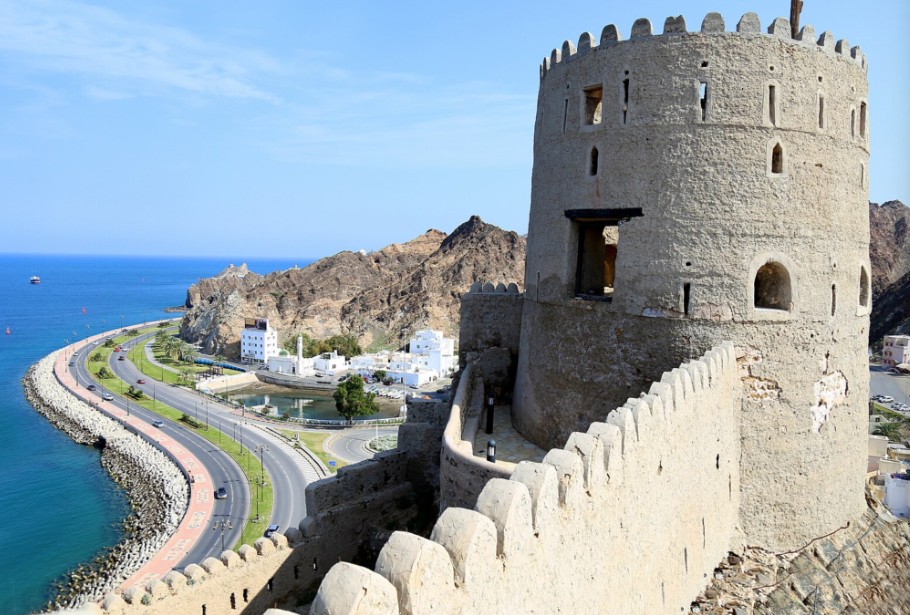
Oman, a nation tucked into the southeastern corner of the Arabian Peninsula, boasts a rich cultural and architectural heritage shaped by its geography, history, and climate. Traditional Omani architecture reflects the ingenuity of a people who, over centuries, adapted their built environment to suit harsh desert climates, mountainous terrain, and coastal conditions. The structures are not only functional but also aesthetically rooted in Islamic and regional influences, making Omani architecture a distinctive expression of identity, resilience, and sustainability.
Climate and Geography as Architectural Influences
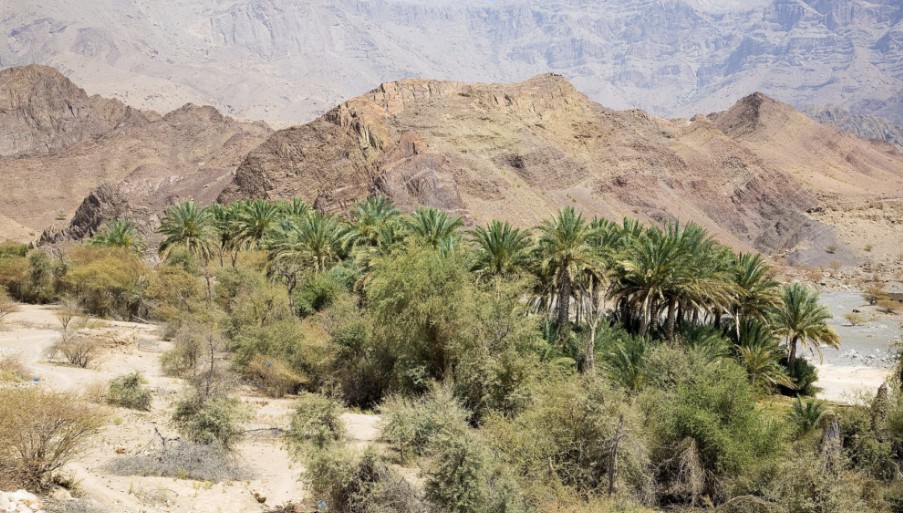
One of the primary factors shaping Omani architecture is its environment. The country comprises deserts, rugged mountains, and coastal plains, each demanding different construction techniques and materials. In arid interior regions, such as Al Dakhiliyah, thick-walled mud-brick buildings are prevalent. These walls, often more than half a meter thick, provide excellent insulation, keeping interiors cool during scorching days and warm during cold desert nights.
In mountainous areas like Jebel Akhdar, stone is the preferred material, as it is easily sourced from the terrain and is ideal for withstanding heavy rain and occasional flash floods. Along the coast, coral stone and limestone are common, with flat roofs designed to handle minimal rainfall and to be used as open-air sleeping areas during humid nights.
Vernacular Elements of Omani Architecture
Several characteristic elements define traditional Omani buildings, from homes and mosques to forts and souqs (markets). Perhaps most iconic is the use of mud brick, which is sun-dried and typically coated with a layer of lime or gypsum plaster. This material is not only abundant and inexpensive but also environmentally friendly.
Wooden elements, particularly doors and windows, also stand out in Omani architecture. Traditionally carved from teak imported from East Africa or India, these elements are often intricately decorated with geometric or floral patterns, Quranic verses, or protective symbols. These doors are more than functional; they are artistic statements and indicators of a household’s wealth and status.
Roofs are typically flat and constructed using palm trunks or mangrove poles laid across walls and covered with palm fronds, mud, and plaster. The simplicity of these designs belies their effectiveness in coping with local weather patterns.
Interior spaces are usually centered around a courtyard, which serves as a private, shaded, and ventilated gathering area. This courtyard-centric design helps regulate temperature, enhances privacy—a crucial element in Islamic culture—and provides space for gardens or water features.
Forts and Castles: Architectural Symbols of Power
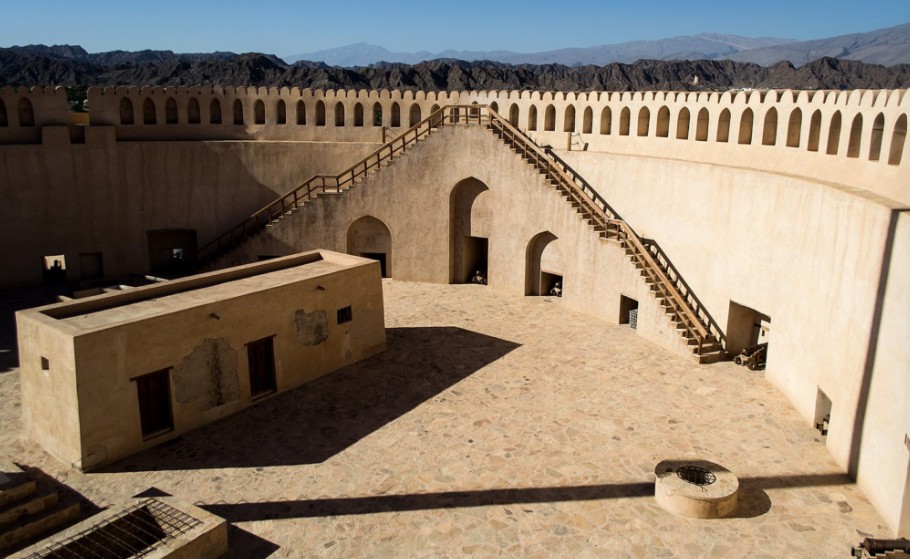
No discussion of Omani architecture is complete without mentioning its forts, castles, and watchtowers, which number over 1,000 across the country. Many of these structures were built primarily between the 13th and 19th centuries to defend against tribal skirmishes, foreign invasions, and pirates. Each fort is uniquely designed to suit its geographical setting and strategic purpose.
The Nizwa Fort, constructed in the 17th century under Imam Sultan bin Saif al Ya’rubi, is a prime example. Its massive circular tower and hidden shafts for boiling oil exemplify defensive innovation. The fort also houses living quarters, storage rooms, and a mosque, reflecting the multifunctional nature of such buildings.
In contrast, the Bahla Fort, a UNESCO World Heritage Site, represents earlier architectural traditions dating back to the pre-Islamic era. Built with mud bricks and enclosed by a wall stretching 13 kilometers, it is a testament to the longevity of Omani construction techniques.
Mosques and Religious Buildings
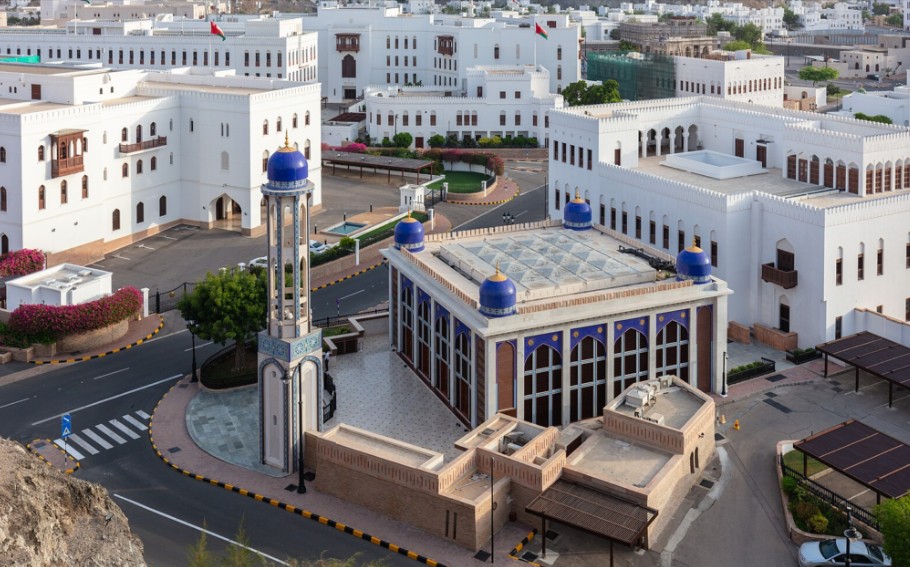
Traditional Omani mosques are typically modest in size and design, especially in smaller villages. Unlike the grand domes and minarets found in other parts of the Islamic world, many Omani mosques feature simple square or rectangular plans, flat roofs, and minimal ornamentation. This simplicity is a reflection of Ibadism, the dominant Islamic sect in Oman, which emphasizes austerity and spiritual purity.
Nevertheless, beauty is not absent. Interior spaces may feature intricately carved wooden mihrabs (prayer niches) and calligraphy. The Al Khor Mosque in Muscat is a notable example, with its understated elegance and peaceful atmosphere.
Urban Layouts and Social Considerations
Traditional Omani settlements, particularly in rural areas, were not laid out according to formal planning principles. Instead, they evolved organically, with narrow alleyways winding between homes and buildings. These passages, often shaded by overhanging structures, serve to maximize airflow and provide relief from the sun.
Homes were built to protect privacy and reflect the social norms of the time. High walls, small windows, and inward-facing courtyards ensured that families, especially women, could go about their daily lives away from the public eye. This spatial arrangement reflects not only the Islamic value of modesty but also the communal spirit of Omani life.
Sustainability and Modern Adaptations
One of the most remarkable aspects of Omani traditional architecture is its sustainability. Long before environmental consciousness became a global concern, Omani builders utilized local materials, designed with passive cooling in mind, and seamlessly integrated their structures into their surroundings.
Today, with rapid urbanization and the proliferation of concrete and steel buildings, there is a growing movement in Oman to revive and incorporate traditional elements into modern design. Government initiatives and architectural preservation programs, such as those led by the Ministry of Heritage and Tourism, aim to restore old buildings and encourage the use of traditional styles in new developments.
Many new structures, including hotels, government buildings, and homes, now blend traditional Omani motifs with modern materials and technologies. This blend ensures continuity of cultural identity while meeting the demands of contemporary life.
Architecture As A Bridge
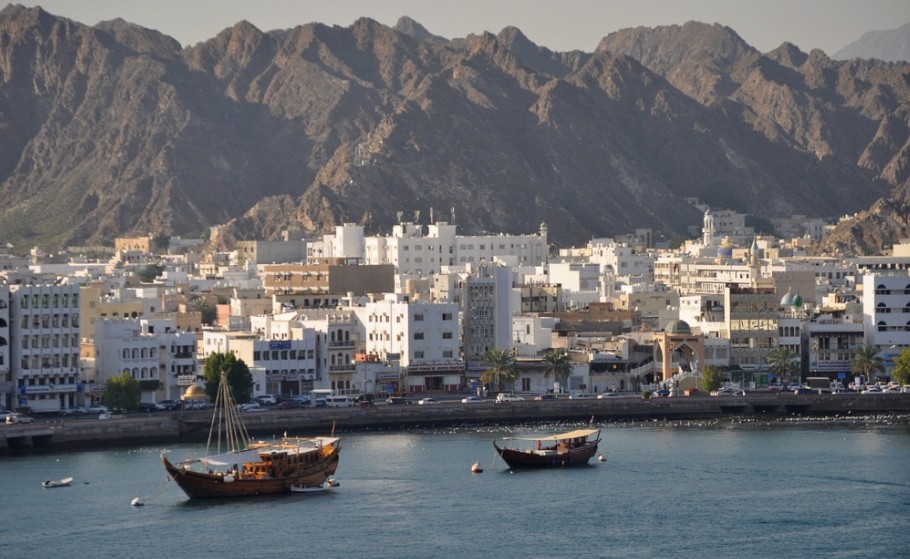
Oman’s traditional architecture stands as a bridge between the past and the present, between cultural values and environmental necessity. It is a reflection of a people who, for centuries, have understood how to live harmoniously with their environment. As global interest in sustainable and culturally grounded design grows, Oman offers a valuable model, rooted not in trend but in tradition.
The mud walls of a mountain village, the quiet grandeur of an ancient fort, or the simple elegance of a village mosque each tell a story – not just of Oman’s architectural heritage but of the values, beliefs, and practical wisdom that have shaped it.
Ralph Hage is a Lebanese American architect who divides his time between Lebanon and the United States.
Want more articles like this? Sign up for our e-newsletter!
Check out our blog here!







.jpg#/media/File:Oman_east_coast_(4).jpg)
