Subscribe
to receive news by email

Poll
Will the Trump Administration Shift U.S. Policy in Favor of Palestine?
- No (87%)
- Yes (13%)
 Loading ...
Copyright © 2026 Arab America
Go topPope Leo to Visit Türkiye and Lebanon
By: Emma Campbell / Arab America Contributing Writer
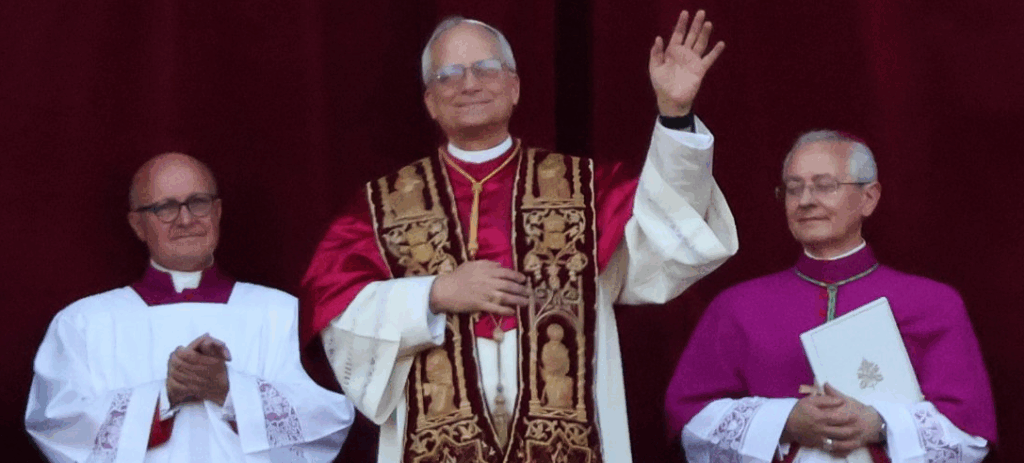
Pope Leo XIV’s First Apostolic Journey
On May 8, 2025, Cardinal Robert Prevost was elected the first US-born pontiff – Pope Leo XIV. Now six months into his papacy, the Pope has announced his first Apostolic Journey abroad. According to Matteo Bruni, the Holy See Press Office director, the Pope has “accept[ed] the invitation of the Head of State and Ecclesiastical Authorities” in both Türkiye and Lebanon. The trip will last five days; starting November 27th and ending December 2nd. Arab America contributing writer, Emma Campbell, discusses the trip’s itinerary and its international implications.
Vatican Announcement Stirs Controversy
This trip was announced on October 7, which marked two years since the start of Israeli genocide in Gaza. As Pope Leo’s first Apostolic Journey is taking place in the Middle East, people are wondering whether the date’s announcement is playing a larger role. Since becoming pontiff, Pope Leo has called for peace and dialogue in the Middle East, especially as Israel’s offensive rages on in Gaza.
Israel criticized the Vatican on October 7 for what it considered “problematic comments” considering the anniversary of October 7. The Vatican’s top diplomat, Cardinal Pietro Parolin, discussed how Israel’s razing of Gaza is a disproportionate massacre. Furthermore, he also called on countries to stop supplying Israel with weapons to wage war. However, the Cardinal also condemned Israel’s “inhumane massacre” of innocent people in Israel by Hamas. He additionally commented on the rise of anti-semitism. In response to these comments, the Israeli Embassy to the Holy See said, “though surely well-intentioned, [Cardinal Pietro Parolin’s interview] risks undermining efforts to both end the war in Gaza and counter rising antisemitism”.
The Cardinal’s interview has put the Vatican’s political stance under scrutiny. The Hole See’s tradition of neutrality forces Pope Leo to choose his words carefully. As the Vatican’s top diplomat and representative of Pope Leo, the Cardinal’s remarks have been criticized for equating massacres on both sides. This backlash concerning this interview underscores the delicate balance Pope Leo must maintain as he prepares for his upcoming trip to the Middle East.
Türkiye Visit
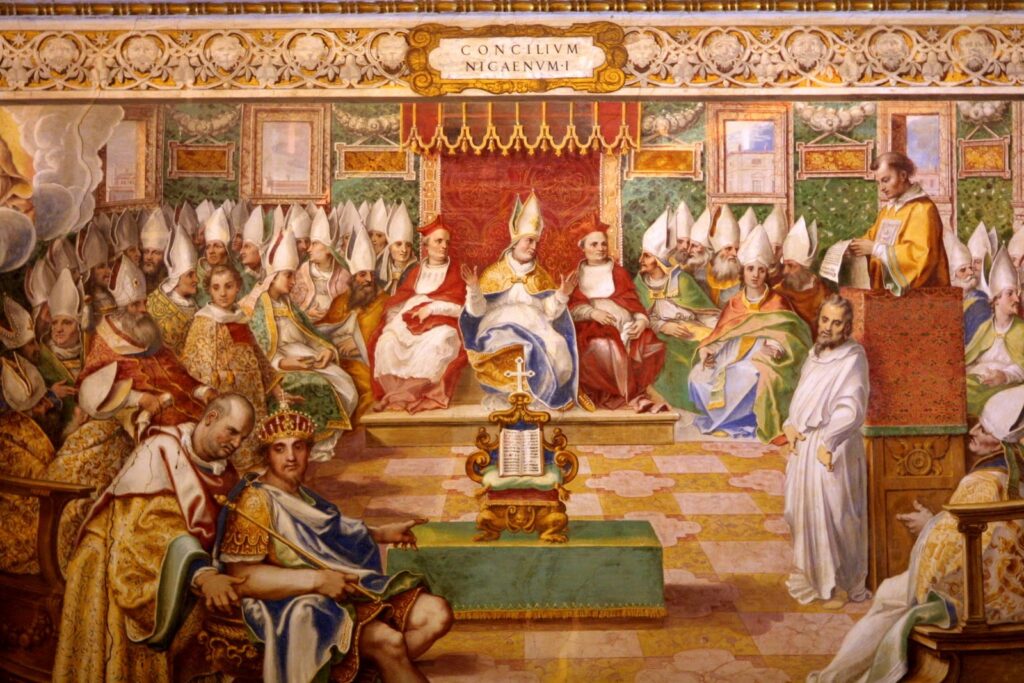
As Pope Leo prepares to visit Türkiye next month, the world is watching closely. The trip to Türkiye will include a pilgrimage to Iznik. This will mark the 1,700th anniversary of the Council of Nicea (325 A.D.), Christianity’s first ecumenical council. As an important movement in Catholic-Orthodox relations, Nicea predates the division of Catholic and Orthodox churches and remains a cornerstone of both traditions.
Pope Francis planned to take a trip to Türkiye to mark this anniversary in May 2025 at the invitation of Patriarch Bartholomew I – the spiritual leader of the world’s Orthodox Christians. However, with Pope Francis’ death on April 21, 2025, this trip could never take place. Since beginning his pontificate, Pope Leo stated that he intended to fulfill his predecessor’s wishes.
Lebanon Visit
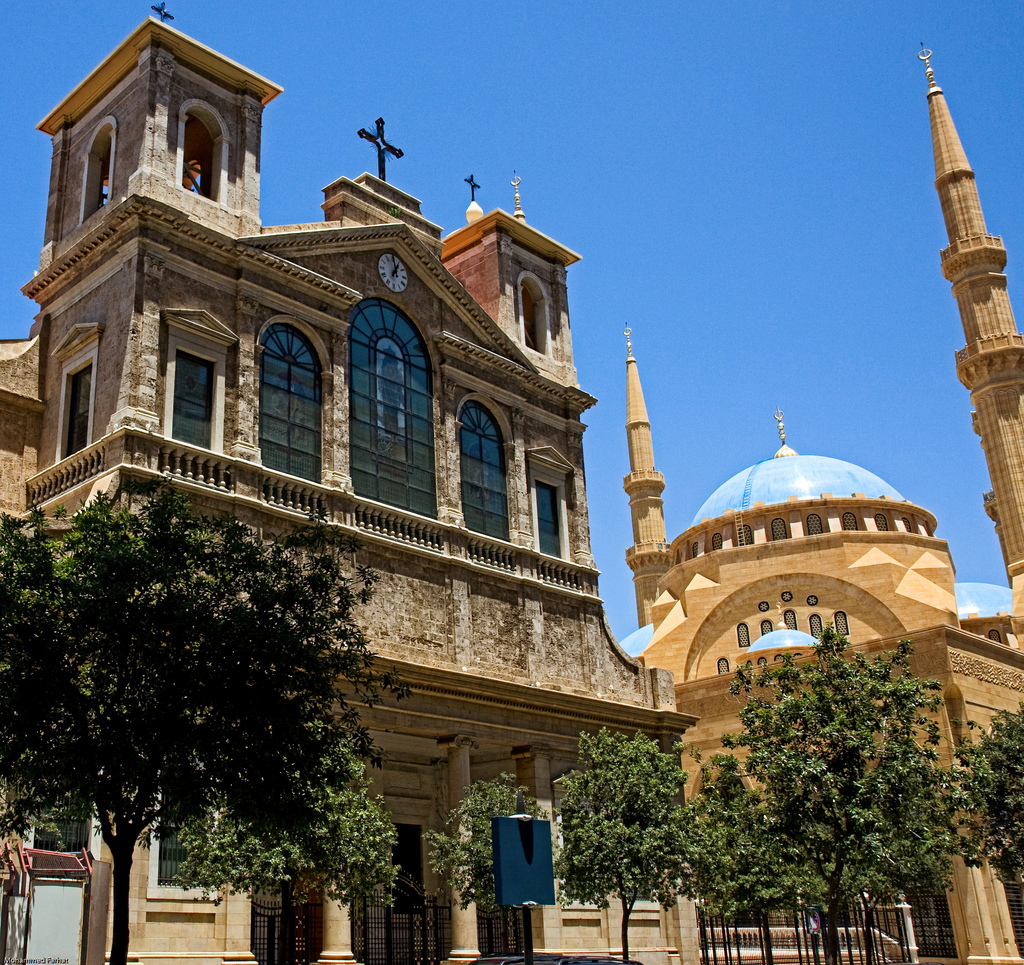
While Pope Leo’s itinerary for Lebanon has yet to be announced, people are already saying the trip will be a “great sign of hope”. The Vatican has announced its fears for the Christian Lebanese population due to the country’s instability. Despite this, Lebanese Christians and Muslims are both looking forward to the Pope’s visit. The Apostolic Vicar of Beirut, Bishop Cesar Essayan, stated: “We sincerely hope that his visit will bring a breath of peace and be a moment of renewal for us all, and that we will recognise that there is no path for humanity other than that of peace through dialogue, justice and respect for the dignity of every human being…To hear him speak words that we no longer hear from anyone except from a pastor, a father who desires that human beings come together as brothers and sisters, that there be another language than that of war for Lebanon”
The last Pope to visit Lebanon was Pope Benedict XVI in September, 2012 – the last trip of his papacy. Pope Francis also had a desire to visit Lebanon, but its political and economic instability prevented a visit in his lifetime. Lebanon has the largest percentage of Christians in the Middle East. It is predicted to be ⅓ of the Lebanese population, but an official census has not taken place since 1932. Additionally, as Lebanon is the only Arab country with a Christian as the head of state, the Pope’s trip is even more anticipated. Patriarch Bechara Boutros Raï, leader of Lebanon’s Maronite Church, added to the enthusiasm. He stated that “We hope that this apostolic visit to Lebanon will bring peace and stability and be a sign of unity for all Lebanese, Christians and Muslims alike, at this critical stage in our nation’s history”.
International Implications
As Pope Leo is the first American Pope, he gets the chance to speak in broad terms about peace in the Middle East and the plight of Christians across the region. Particularly in Lebanon, the challenges are acute. The country hosts one million Syrian and Palestinian refugees while struggling to recover from years of economic crisis. Additionally, it is also dealing with the implications of its recent conflict between Israel and Hezbollah, which ended with a US-France brokered ceasefire in November 2024. A new reformist government has ended a two-year political vacuum, bringing hopes for recovery. However, tensions remain high. Israel still controls five points along the Lebanese border and conducts near-daily airstrikes, while Hezbollah refuses to disarm until Israel withdraws. The situation remains tense, with risks of renewed conflict. Due to this, despite the visit’s religious focus, Pope Leo’s every word and gesture will be closely scrutinized for its diplomatic significance.
Want more articles like this? Sign up for our e-newsletter!
Check out our blog here!