
Subscribe
to receive news by email

Poll
Will the Trump Administration Shift U.S. Policy in Favor of Palestine?
- No (87%)
- Yes (13%)
 Loading ...
Copyright © 2026 Arab America
Go topPope Leo XIV Set to Make Historic First Visit to Algeria
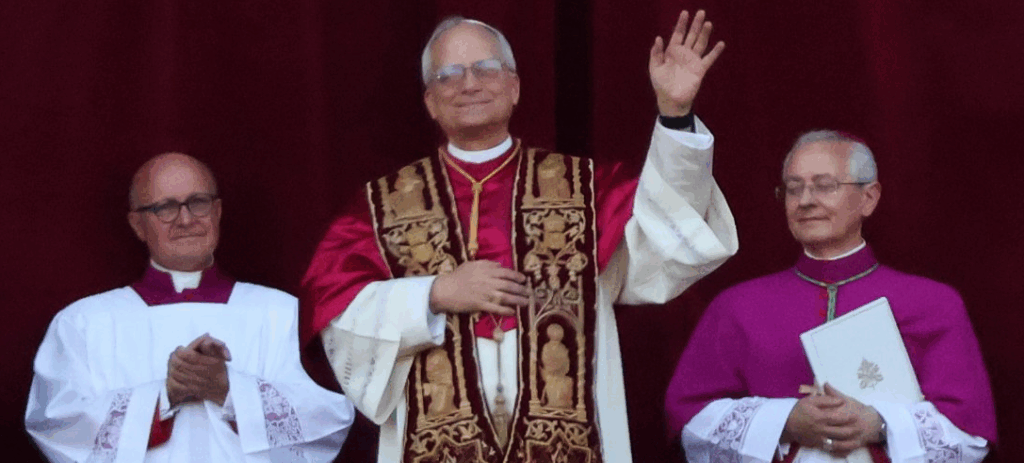
By: Emma Campbell / Arab America Contributing Writer
From Türkiye and Lebanon to North Africa
Pope Leo XIV, the first American-born pontiff, has quickly signaled a global vision for his papacy, embracing high-stakes international diplomacy and interfaith engagement. In late 2025, he completed his first Apostolic Journey abroad with historical visits to Türkiye and Lebanon. These journeys aimed at prompting Christian unity, dialogue with other faiths, and peace in regions marked by complex religious and political tensions.
Now, in 2026, reports suggest Pope Leo is preparing for another historical journey. This time, he may travel to Algeria. The visit would mark the first papal visit to the predominantly Muslim North African nation. The proposed trip stems from the Pope’s July 2025 meeting with Algerian president Abdelmadjid Tebboune. Such a trip would spotlight Algeria’s small Catholic community. In addition, it would highlight Pope Leo’s ongoing emphasis on interfaith dialogue and solidarity. This visit would most likely take place in the spring, after the holy month of Ramadan, coinciding with the 30th anniversary of the martyrdom of seven Trappist monks in Tibhirine, Algeria. Drawing on lessons from his Türkiye and Lebanon trips, this visit promises to build on Pope Leo XIV’s themes of peace and mutual respect among religions.
Algeria’s Catholic Community
Algeria has a rich Christian history that stretches back centuries. Today, its small Catholic community is carefully regulated and exists quietly within a predominantly Muslim society. The US State Department’s 2023 report on international religious freedom noted that fewer than 1% of Algeria’s 46 million residents are Christian, and roughly 8,000 people from that statistic are Catholic. Although the Church in Algeria is small, it remains joyful, fraternal, and resilient. Most members are migrants from sub-Saharan Africa, while the clergy come from countries such as Burkina Faso, the Ivory Coast, Ghana, Kenya, and Uganda.
The Catholic community within Algeria continues to sustain its presence through worship, education, and acts of service. These efforts quietly contribute to the broader Muslim society. This dedication makes the potential visit of Pope Leo XIV especially meaningful. A papal visit would provide recognition and encouragement to the small community that has preserved its faith for generations. It would highlight the Church’s enduring role and the commitment of its members, affirming both the resilience of the Catholic minority and its contribution to Algerian society.
St. Augustine and Algeria’s Christian Legacy
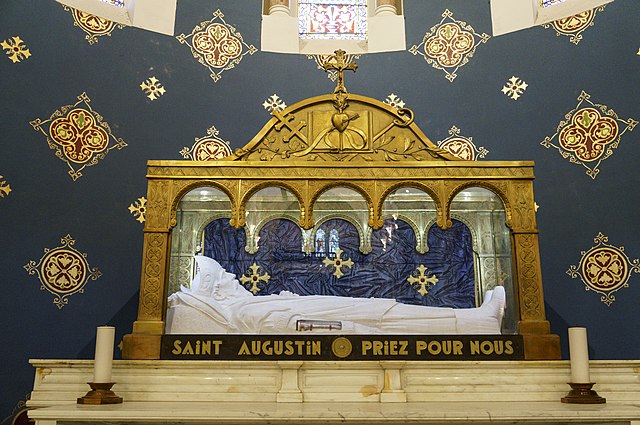
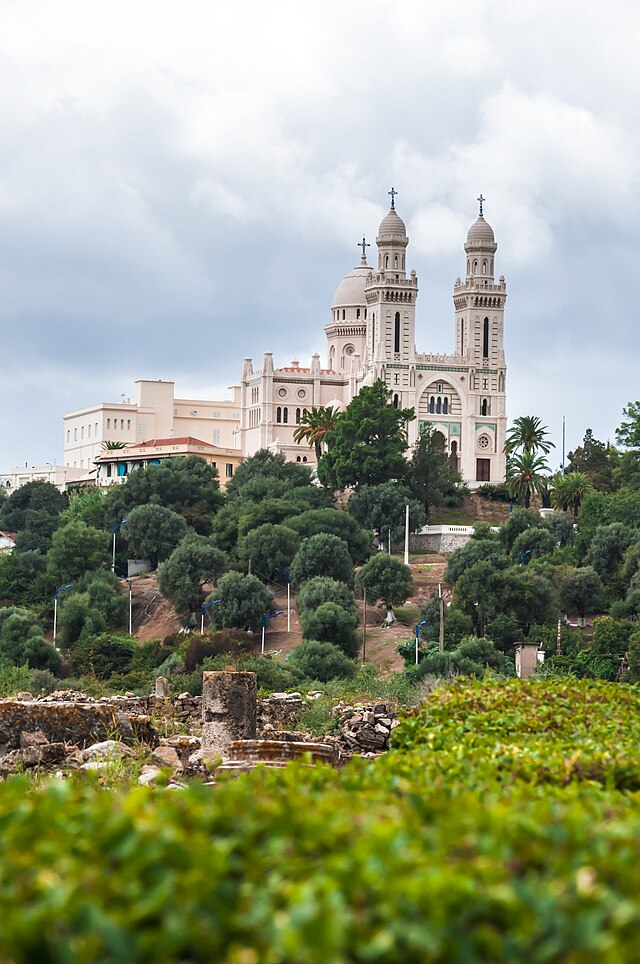
Algeria’s Christian roots are most famously embodied in St. Augustine of Hippo, who was born in present-day Souk Ahras (northeastern Algeria) in 354 AD. He served as Bishop of Hippo, modern-day Annaba, from 395 until his death in 430 AD. As a theologian and philosopher who wrote works such as Confessions and The City of God, Augustine remains a central figure in global Christianity. Pope Leo XIV’s desire to visit Algeria also stems from a personal connection to St. Augustine. Before he became Pope, he was a member of the Augustine order. The ordertraces its roots to St. Augustine’s teachings, which directly shaped Pope Leo XIV’s theological formation.
The historical legacy of St. Augustine adds symbolic weight to a papal visit. By honoring Algeria’s Christian past, Pope Leo XIV would not only celebrate a foundational figure in Catholic thought, but also reinforce themes of coexistence and dialogue that define his papacy. St. Augustine’s example provides a framework for understanding the Catholic Church’s minority presence in Algeria as part of a centuries-long story of resilience and learning alongside aMuslim-majority society. Pope Leo’s Augustinian background further underscores the personal significance of visiting a land closely tied to the life and teachings of the order that shaped him.
Interfaith Dialogue and Historical Reconciliation
While Algeria is overwhelmingly Muslim, its Catholic minority has historically lived in peaceful coexistence with the broader society. According to Religion Unplugged, Pope Leo XIV’s potential visit is seen as a gesture of respect and dialogue rather than evangelism.
In addition, this visit would also carry a symbolic message about history and reconciliation. Analysts note that the Pope might acknowledge the Church’s historical links to French colonization, offering a gesture of forgiveness that would resonate strongly in Algeria – as the Church in Algeria was long perceived as a remnant of French colonization. At the same time, this visit would signal to Western Christianity that Algeria is not a “civilizational periphery” but a historically foundational center for Christianity, culture, and humanitarian contributions in North Africa.
By emphasizing these messages, the visit would affirm the dignity and resilience of Algeria’s Catholics while reinforcing the importance of dialogue and peaceful coexistence with the Muslim majority. Even a small community can play a significant role in promoting reconciliation and interfaith understanding, a theme that has been central to Pope Leo XIV’s early travels and broader papal mission.
What a Papal Visit Could Mean for Algeria
A visit from Pope Leo XIV would be historic for Algeria’s Catholic community, giving recognition to its resilience.. On December 2, 2025, the Pope stated, “I hope to go to Algeria to visit the places of St. Augustine, but also in order to continue the conversation of dialogue, of building bridges between the Christian world and the Muslim world”. Beyond faith, the trip could highlight Algeria’s many cultural contributions, demonstrating that even a tiny community can have global significance for interfaith understanding and dialogue.
Want more articles like this? Sign up for our e-newsletter!
Check out our blog here!