Subscribe
to receive news by email

Poll
Will the Trump Administration Shift U.S. Policy in Favor of Palestine?
- No (87%)
- Yes (13%)
 Loading ...
Copyright © 2026 Arab America
Go topSilent Struggles: The Emotional Toll of Migration on Arab-Americans
By: Layla Mahmoud / Arab America Contributing Writer
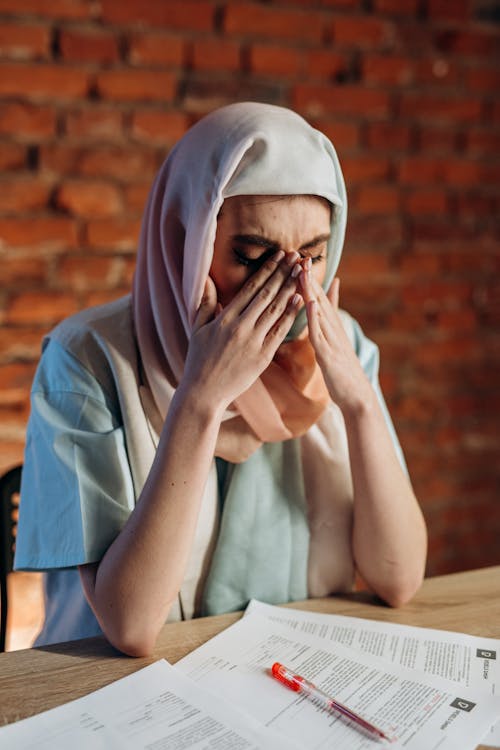
Moving to America is often painted as the ultimate dream: freedom, opportunity, and success. For many Arabs, however, this journey is far more complex. Beneath the surface of new beginnings lies a quiet, unspoken pain: the struggle of mental health. Whether it’s due to isolation, cultural dissonance, or unmet expectations, countless Arab immigrants silently wrestle with mental health challenges after arriving in the United States. Arab America contributing writer Layla Mahmoud explores the root causes of this struggle and why it remains largely overlooked, both within American society and within Arab communities themselves.
The Weight of Expectations
Migration is rarely an individual decision in Arab families, but rather communal. Whether a person moves for school, work, or safety, they often carry the hopes of parents, siblings, and extended relatives on their shoulders. Success becomes not just a goal, but an obligation. When reality doesn’t match the fantasy, when jobs are hard to find, social integration feels impossible, and financial hardship persists, this sense of failure can weigh heavily, leading to anxiety, shame, and other difficult emotions.
In many cases, Arabs who migrate to the U.S. do so with academic excellence or professional achievements behind them, only to be met with limited recognition of their credentials. This disconnect between identity and opportunity fosters a deep sense of disillusionment.
Loneliness in a New Land
The Arab world is deeply rooted in a collectivist culture. Strongfamily bonds, constant social interaction, and community support are central to daily life. In contrast, American culture often values independence and personal space, which can feel cold or even alienating to someone raised in an environment of warmth and togetherness.
For many, especially students and young professionals, the shift is incredibly jarring. They go from households bustling with conversation to silent apartments. Holidays that were once full of tradition and joy become lonely reminders of what’s been left behind. Over time, this isolation can feed into emotional numbness, and often depression.
Cultural Shame Around Mental Health
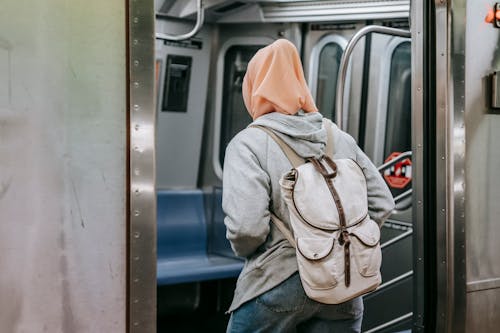
Mental health stigma remains a major barrier in Arab communities, both abroad and within the diaspora. While awareness is slowly improving, the dominant attitude in many families is still one of denial. Depression is often dismissed as weakness or blamed on a lack of faith. Rather than seek therapy or medication, many Arabs are told to pray more, be grateful, or “tough it out.”
This stigma forces many to suffer in silence, particularly men, who are often taught to suppress emotion as a sign of strength. Women, meanwhile, may feel added pressure to appear emotionally stable in order to uphold their family’s reputation. The result is mental health struggles that fester, untreated and unseen.
The Pain of Disconnection
Language barriers, racism, Islamophobia, and the sheer weight of cultural misunderstanding add another layer of difficulty. Many Arabs report being constantly misunderstood, stereotyped, or dismissed in both academic and professional settings. Those who wear hijab or speak Arabic in public may encounter direct hostility. Others simply feel invisible and lost in the sea of a culture that doesn’t reflect or acknowledge their roots.
For first-generation immigrants, there’s also the disorienting feeling of being caught between two worlds. Too “Americanized” for their home countries, yet still considered “foreign” in the U.S., they often experience a loss of identity that deepens the isolation.
Finding Community and Healing
While the struggle is real, so is the path to healing. Across the U.S., growing numbers of Arab Americans are speaking openly about their mental health journeys. Community-led organizations, social media advocates, and Arab therapists are slowly breaking down stigma and offering culturally competent care.
College campuses now host Arab student unions that double as safe spaces. In larger cities, Arab-led wellness collectives are organizing mental health workshops and peer support groups. Even within more traditional families, younger generations are starting to have honest conversations that were once taboo.
Conclusion
The mental health struggle many Arabs face after moving to America is not a failure of willpower or faith, it’s a reflection of profound cultural, emotional, and social displacement. While the immigrant narrative is often romanticized, the truth is far more nuanced. Arab immigrants need more than just visas and opportunities, they need understanding, community, and safe spaces to heal.
Acknowledging this pain is the first step. Addressing it with empathy, resources, and open dialogue is the next. Only then can the American dream become more than just survival. It can become a space of belonging and mental peace.
Want more articles like this? Sign up for our e-newsletter!
Check out our blog here!