

Subscribe
to receive news by email

Poll
Will the Trump Administration Shift U.S. Policy in Favor of Palestine?
- No (87%)
- Yes (13%)
 Loading ...
Copyright © 2026 Arab America
Go topSponsored Post: 5 Arab Traditions That Still Shape Life in America
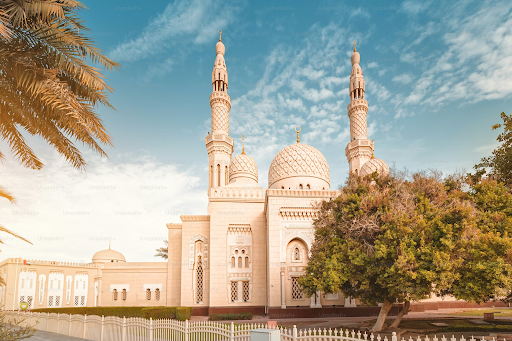
For many Arab Americans, identity is not left behind at the border; it is a living bridge between their heritage and their American experience. While life in the U.S. offers new opportunities, cultural traditions remain deeply rooted, evolving to fit a modern context.
Online forums and social platforms have become modern meeting places, where people discuss a wide range of topics, from traditional recipes to entertainment trends, including recommendations for the best online poker websites. For many, these conversations are less about gambling and more about social interaction, strategy, and connecting with friends across different cities and countries.
Here are five Arab traditions that continue to shape life in America.
1. The Strength of Family Gatherings
In Arab culture, family is the foundation of life. This sense of togetherness often intensifies after immigration, with weekly dinners and large-scale celebrations for every milestone. Living rooms fill with a blend of Arabic and English, creating a space where younger generations learn family history through oral storytelling.
While American culture often emphasizes individual independence, Arab American families balance this with collective responsibility. This network creates a permanent safety net, ensuring that regardless of life’s challenges, there is always a community ready to offer emotional and practical support.
2. Hospitality as a Core Value
In Arab households, hospitality is a matter of honor rather than obligation. Guests are treated with immense generosity, and even unexpected visitors are greeted with coffee, tea, and homemade meals. This tradition persists in the U.S., where hosting becomes a way to build deep, meaningful connections.
By inviting friends from various backgrounds into their homes, Arab Americans use hospitality as a cultural bridge. In a fast-paced society where interactions are often rushed, this tradition serves as a reminder to slow down and show genuine care for others.
3. The Rhythm of Ramadan and Eid
Observing Ramadan in America requires a unique balance. Fasting from sunrise to sunset while navigating a standard American work or school day teaches discipline and empathy. The month is a period of spiritual renewal, culminating in the nightly iftar meal where families reconnect.
Eid celebrations bring the community together to share gifts and festive meals.
These religious traditions do more than strengthen faith; they provide an opportunity for education. By sharing their practices with colleagues and classmates, Arab Americans break down stereotypes and foster a global sense of community.
4. Deep Respect for Elders
Respect for elders is a cornerstone of Arab culture. Older family members are viewed as repositories of wisdom and experience. Even as they adapt to American norms, Arab Americans maintain a deep commitment to their elders, seeking their guidance and involving them in major life decisions.
This value fosters patience and humility in the younger generation. In professional settings, this translates into a high regard for mentorship and senior leadership, encouraging strong, trust-based working relationships.
5. Food as Identity and Connection
Arab cuisine is more than nourishment; it is a vessel for history and memory. Recipes are passed down through generations, and the kitchen serves as a hub for cultural preservation. Preparing labor-intensive dishes like kibbeh or grape leaves can be a bonding experience for parents and children.
Sharing a meal is an act of love. In America, traditional food often serves as a comfort during times of homesickness. When shared with non-Arab friends, it becomes a point of curiosity and a gateway to deeper conversations about heritage.
Blending Cultures with Confidence
Arab American identity is not a choice between two worlds, but a confident blend of both. These five traditions, family, hospitality, faith, respect, and food, provide stability in an ever-changing world. They allow individuals to remain connected to their roots while contributing to the diverse fabric of American society.
Culture does not disappear with distance; it adapts, thrives, and continues to shape the future.
Please note that this post was paid for by a third-party and does not necessarily reflect the views of Arab America or its employees. These posts help allow Arab America to produce our wonderful original content, thanks for your understanding.
Don’t forget to check out Arab America’s blog for our original content!