

Subscribe
to receive news by email

Poll
Will the Trump Administration Shift U.S. Policy in Favor of Palestine?
- No (86%)
- Yes (14%)
 Loading ...
Copyright © 2026 Arab America
Go topSponsored Post: Cybersecurity in the Middle East: What Recent Attacks Mean for Personal Device Safety
Looking at the current geopolitical situation and the past security incidents in the digital sphere, Middle East cyber threats show no signs of slowing down in 2026. Every major city, from Dubai to Riyadh and Cairo to Doha, has had major breaches and each one was unique and sophisticated.
For individual users, it’s the time to learn how these attacks happen and how to keep devices secure in such an environment. Most of these cases serve as proof that cybercriminals are operating at a highly advanced level. The group that suffers the most because of this is the individual users as they are mostly without a safety net. For them, device security should be a top priority because of the high-value personal, financial and professional data it carries.
1. Rogue faith-based apps
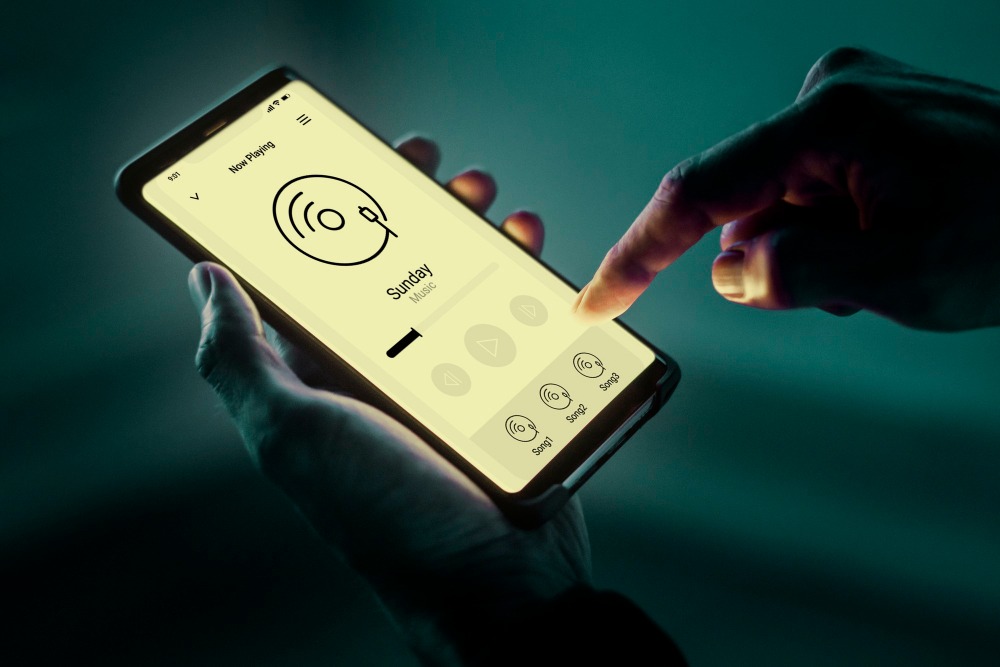
In late 2024, the BadeSaba breach compromised the developer base, which was behind many popular prayer-timing and other utility apps tied to religion. The hackers, through a malicious update model, successfully broke into millions of personal devices. Trust breach was a major thing but an even bigger matter was that the apps were turned into surveillance tools that could steal contact list data and track phone activity constantly.
The BadeSaba attack emphasizes the role of a trusted cybersecurity tool on your devices. Apple provides the best-in-category security features on its devices, but still, there have been numerous cases where there have been compromises on iOS and macOS systems. Using a Moonlock malware scanner is a strong way to safeguard your Macs from malware threats. It’s built specifically for Mac and has a strong track record of providing top-level device security. Seeing the current situation in the cyber world, an anti-malware tool is a must-have for every Mac owner.
2. MAC-address mapping
In the beginning of 2026, hackers bypassed municipal firewalls to link security cameras with MAC addresses of nearby smartphones. The series of CCTV and traffic break-ins occurred through major Gulf hubs. It exposed the belief that simply keeping the Wi-Fi or Bluetooth on cannot give access to the hackers. Hackers gained access to physical locations of phone users even without making them click on any malicious links.
3. Messaging hijacks in the Levant
In 2025, regional activists and journalists were targeted by the hackers. They were successfully able to intercept 2FA codes of apps like Signal and WhatsApp, thereby shattering the belief that messaging apps are totally safe. They made use of a kit called Adversary-in-the-Middle (AiTM) to intercept codes. In Lebanon and Egypt in particular, a QR code-based phishing attack was carried out, which enabled hackers to break into systems.
4. Ooredoo & Zain telecom leaks
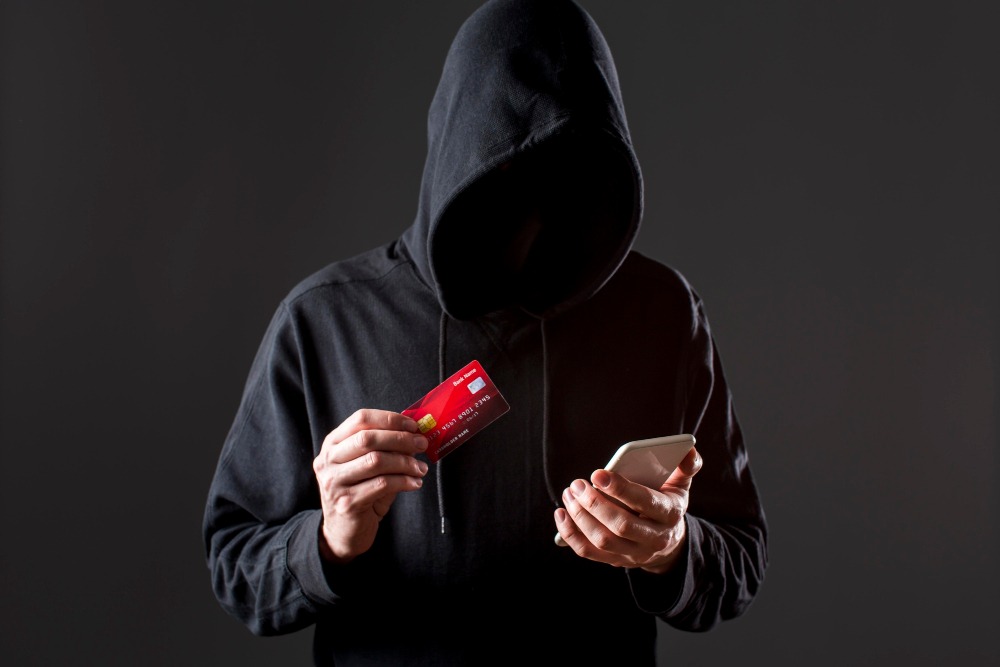
Cybersecurity Middle East took another hit in mid-2025 when regional telecom companies, including Ooredoo and Zain, lost their billing data to the cybercriminals. They also accessed logs of every telecom tower, including the numbers where messages were sent. With such details, hackers can build a
5. ProSpy app trap
In 2025, a malware called ProSpy came to the limelight. It was a unique case where attackers used third-party sites to offer free versions of popular apps, e.g., ToTok Pro. Installing these apps gave malware device admin privileges. With this, the attackers were able to remotely turn on the phone’s microphone and camera. This shows how dangerous it can be to install apps from non-trusted resources because it’s a direct and easy user privacy threat.
Strategic device defense ideas
Personal device security in the Middle East region is as important as any other region in the world. Seeing the nature of attacks, it can be said that just an antivirus is no longer a guarantee to keep yourself safe from a cyberattack. Here are some pointers that can enhance your device security.
- Use hardware-based 2FA – Instead of using SMS-based codes, switch to physical security keys (like YubiKeys). It zeroes the SIM swapping and interception threats.
- Disable auto-connect for public Wi-Fi – In case smart city networks and CCTVs are compromised, your unique IDs will remain safe if the device is not connected to public Wi-Fi.
- Recheck admin permissions – Keep an eye on your device’s permissions. ProSpy-like malware makes use of permissions that you grant to various apps and tools. Keep unnecessary permissions off.
- Lockdown modes – Based on situations, like current geopolitical tensions, activate the lockdown mode on iOS. Various reports prove that attacks increase during unstable times.
- Isolate sensitive apps – Use a secure folder to separate normal apps from sensitive apps like banking and government-service-based. Never install any app or download a program from a non-trusted or unverified resource.
Conclusion
Protecting devices from cyberattacks for Middle East users should be a top priority. In today’s digital environment where cyberattacks are driven by AI and highly trained individuals, your devices can no longer be considered a private sanctuary. Learning lessons from the past breaches and updating your knowledge on cybersecurity are essential points to be followed for ensuring optimum device security.
Please note that this post was paid for by a third-party and does not necessarily reflect the views of Arab America or its employees. These posts help allow Arab America to produce our wonderful original content, thanks for your understanding.
Don’t forget to check out Arab America’s blog for our original content!