

Subscribe
to receive news by email

Poll
Will the Trump Administration Shift U.S. Policy in Favor of Palestine?
- No (87%)
- Yes (13%)
 Loading ...
Copyright © 2026 Arab America
Go topSponsored Post: Exploring Arab American Identity
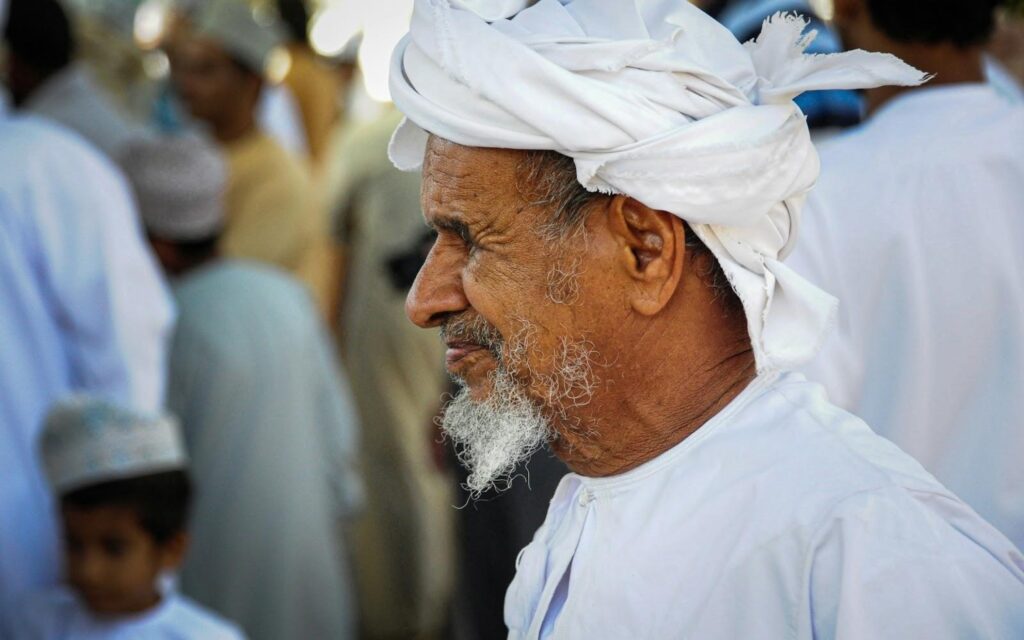
Arab American identity is shaped by memory, migration, and a long history of adapting to new places. Across the United States, it emerges through language, cuisine, art, and neighborhood traditions that carry wider histories. From early immigrants in the late nineteenth century to the diverse waves that followed, each generation has added new dialects, customs, and hopes. As these experiences meet, they create spaces where heritage and American life blend, making identity an ongoing negotiation rather than a fixed definition.
Technology and Contemporary Connections
As communities navigate shifting cultural landscapes, digital tools increasingly shape everyday interactions. Online communication helps maintain ties across continents, while streaming platforms bring regional music and film into homes far from their origins. E-commerce expands access to traditional crafts and specialty foods, and global forums, review sites, and digital marketplaces expose people to new blends of taste, humor, and cultural expression.
Within this broad online mix—where Arab cultural perspectives frequently meet Western styles of entertainment—everything from international film discussions and digital art communities to global fan cultures becomes another point of cultural exchange. This also extends to mentions of bitcoin casino sites, where players encounter Western gaming traditions but approach them through their own cultural lens, reflecting how leisure environments can mirror wider patterns of cultural interaction. Bitcoin casinos offer quicker transactions and added privacy, giving players a flexible and easily accessible option within the wider online entertainment landscape.
As digital systems continue to expand alongside cultural traditions, they form another layer in the landscape communities navigate each day. Modern platforms and long-standing customs operate side by side, shaping routines in ways that reflect both contemporary influence and deeply rooted heritage.
The Dialogue Between Heritage and Place
Across cities and suburbs, everyday life reflects how identity continues to form within broader social patterns. Arabic phrases mingle with English in public spaces, and familiar regional music mixes with contemporary sounds, shaping how communities express themselves in changing environments. These interactions reveal how cultural identity adapts alongside shifting contexts, creating a cultural presence that aligns with wider discussions about how groups negotiate belonging, perception, and visibility in modern society.
Many families trace their roots to Lebanon, Syria, Palestine, Egypt, Iraq, Morocco, Yemen, and beyond, later generations adding new layers shaped by regional accents and local influences. The result is a mosaic of identities defined not by uniformity but by a shared sense of belonging to something broader than geography alone. This blend strengthens cultural threads that might otherwise fray.
Community as a Living Archive
Community gatherings act as living archives where stories pass between generations and keep traditions active. Festivals, cultural centers, and local associations become places where traditions breathe, adapt, and continue. In these spaces, heritage remains a practiced tradition shaped by shared meals, spoken poetry, and music tied to cultural memory. We see how collective memory works: as a bridge, as an anchor, as a spark for new interpretation. Cultural expressions grow alongside shifting identities, supporting continuity even as people navigate new contexts. This dynamic process keeps the archive alive, never static, always in motion.
Representation and the Power of Voice
Representation shapes how communities understand themselves and how others see them. As Arab American artists, scholars, journalists, and performers gain visibility, they challenge narrow narratives and complicate simplistic portrayals. Through literature, film, and public dialogue, they reveal the range of experiences that define Arab American life. We see stories of resilience, creativity, and intellectual contribution that counter stereotypes and broaden public understanding.
These voices create space for nuance, insisting on recognition of complexity rather than reduction. With each new work, the narrative expands, inviting audiences to see Arab American identity as an evolving, multidimensional presence in American culture.
Navigating Hybridity With Confidence
Identity for many Arab Americans often moves between languages, customs, and expectations. This hybridity is not a burden but a source of strength, offering multiple vantage points from which to view the world. It allows for flexibility, for reimagining traditions without losing their essence.
In workplaces, community organizations, and cultural institutions, this dual awareness fosters bridges between cultures. The ability to inhabit several worlds at once encourages empathy and broadens perspective. Over time, this hybrid identity becomes a fully realized cultural position, shaped by experience and strengthened by continuity. It reflects a profound adaptability that continues to define the community’s role in the broader American story.
A Shared Narrative Still Unfolding
Arab American identity continues to evolve, shaped by new arrivals, shifting political landscapes, and ongoing cultural expression. Each generation adds its own verse to the collective narrative, drawing from history while forging something distinctly contemporary. The result is a story shaped by continuity, change, and the ongoing influence of cultural memory.
We see this evolution in literature, in community gatherings, in culinary traditions that travel across states and settle into new homes. As these experiences accumulate, they create a shared rhythm that resonates across regions and backgrounds. The narrative moves forward, steady and expansive, carrying the imprint of countless journeys and voices.
Please note that this post was paid for by a third-party and does not necessarily reflect the views of Arab America or its employees. These posts help allow Arab America to produce our wonderful original content, thanks for your understanding.
Don’t forget to check out Arab America’s blog for our original content!