

Subscribe
to receive news by email

Poll
Will the Trump Administration Shift U.S. Policy in Favor of Palestine?
- No (86%)
- Yes (14%)
 Loading ...
Copyright © 2026 Arab America
Go topSponsored Post: Premier League January 2026 Transfer Window: Deals, Pressure, and the Run-In
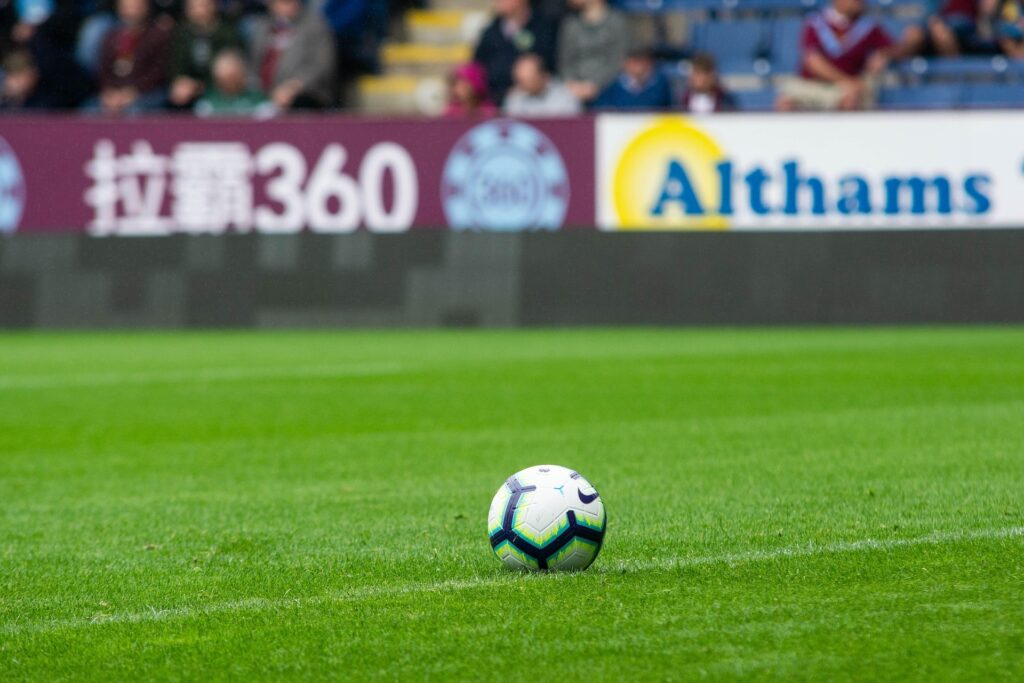
Winter football in England is tough. Cold rain, heavy pitches, and endless games wreck squad depth fast. By January 2026, the tight Premier League schedule caused serious problems for many teams. Hamstring tears are everywhere right now. Managers are dropping vital points because stars have zero time to rest. That is why the winter transfer window matters so much. This market is not for long-term projects. It is about fixing an emergency before the season slips away.
Club executives spend weeks on the phone under massive pressure. They know one missed deadline can ruin a whole year of work.
Seven PM Deadline, One Month to Blink
The winter market rules leave no room for mistakes. The window opened on New Year’s Day and closed on February 2 at 19:00 GMT. That is one single month to save a season. Hesitate for a few days, and the target goes elsewhere. Prepared teams use data gathered over months. Desperate teams just throw money around during the final hours of deadline day. Right now, elite sides are fighting in Europe and domestic cups at the same time. Meanwhile, clubs at the bottom just want survival to protect their TV money.
Getting a top player early changes everything. It gives the whole stadium a massive lift when things look dark. A quick look at the business shows very different strategies this winter. Most mid-season deals usually fall into three distinct buckets:
- The Bottom-Table Panic: Teams fighting relegation who just want a big striker to win headers and hold up the ball.
- The Quick Patches: Mid-table clubs signing specific profiles to replace injured players without breaking the wage structure.
- The Bench Boosters: Title contenders looking for a specific winger to unlock deep defenses when the main starters get tired.
Sellers hold all the power in January. If a European club knows an English team is desperate, the price tag doubles instantly.
Selhurst Park Goes Loud
Crystal Palace acted fast. They paid around £35m to get Tottenham forward Brennan Johnson early in the month. The logic behind this record fee is simple. Johnson has terrifying, vertical pace. Defenders hate facing him because he forces them to drop five yards back.
Before this transfer, the Palace attack looked completely stagnant. They relied way too much on individual magic from Eberechi Eze. Johnson adds a totally different threat to the counter-attack under Oliver Glasner. Tight games always come down to small mistakes or quick transitions, and a fast winger can punish those errors instantly.
Survival Has a Price Tag
West Ham took a much louder path. They did not just buy one player; they changed their whole frontline by signing Pablo Felipe from Gil Vicente and Argentinian striker Valentín “Taty” Castellanos from Lazio. The fans wanted goals, so the board made a massive double move.
Castellanos is a real nuisance for defenders. He is aggressive, loves physical contact, and shoots from anywhere. Pablo Felipe is younger and needs time to adjust to England, but his potential is huge. To clear out space, Julen Lopetegui sent Niclas Füllkrug to AC Milan on loan and sold Luis Guilherme to Sporting. It is a big gamble, but standing still was too risky.
A Familiar Pulse at Brighton
Brighton usually buys unknown teenagers from South America. This time, they went for experience and re-signed Pascal Groß from Borussia Dortmund until 2027. He is 34 now, so he won’t win any races, but the midfielder brings rare composure to the pitch.
The current Brighton team has heaps of young talent under Fabian Hürzeler, but they lose control when games get messy. Groß acts like a coach with boots on. He spots open spaces before the ball even moves. In a league dominated by constant running and high pressing, a player who can control the tempo is worth a fortune.
The New Matchday Dashboard
New signings change fan expectations immediately. This buzz directly shapes the modern football ecosystem, which is no longer just about the TV screen. It has turned into a massive digital world.
Supporters use all kinds of online tools to track squad changes and live stats. To see if a new player actually improves the team, fans regularly use a specific digital setup:
- Live Stat Feeds: Platforms checking expected goals (xG) and shot creation metrics during the match.
- Fitness Trackers: Accounts giving updates on player injuries, training ground leaks, and recovery times.
- Data Applications: Specialized tools like Melbet (Arabic: برامج المراهنات) to verify official lineups, squad depth, and shifts in form.
Using these digital tools is just regular football culture now. Real-time data lets fans understand tactical tweaks, lineup shifts, and how a big substitution changes the game.
City’s Next Piece and the Title-Chaser Logic
Manchester City do things without any drama. They avoided deadline day panic but quietly secured a deal for Bournemouth winger Antoine Semenyo. Semenyo fits the exact profile Pep Guardiola likes. He keeps the ball under heavy pressure and wins individual duels wide on the flank.
The winter schedule is always a brutal grind, especially when smaller teams park the bus at the Etihad. You need a physical presence out wide to stretch deep defenses. Semenyo gives Pep a direct alternative when the central passing lanes get totally choked up.
The Global January Conversation
The transfer news cycle never stops. Look at Liverpool. Their title hopes took a massive hit when the club confirmed Alexander Isak needed surgery for an ankle fracture. No return date was given. That is a huge blow to their front line.
The update went viral within minutes across group chats and forums worldwide. Digital football spaces, including communities on networks (Arabic: ميل بيت), are the modern version of the football pub. Fans from different time zones gather here to check schedules, discuss rumors, and argue about whether a new signing will save the season.
What January Really Buys
You don’t find perfection in the winter window. You just buy tools for immediate survival. You want a striker to turn a boring 0-0 draw into a messy 1-0 win, or an experienced midfielder to steady the defense under pressure. The smartest managers in January 2026 focus on minor adjustments, not massive structural changes. These quick moves tilt the balance, and their true value only shows up when the final standings come out in May.
Please note that this post was written by a third-party and does not necessarily reflect the views of Arab America or its employees. These posts help allow Arab America to produce our wonderful original content, thanks for your understanding.
Don’t forget to check out Arab America’s blog for our original content!