
Subscribe
to receive news by email

Poll
Will the Trump Administration Shift U.S. Policy in Favor of Palestine?
- No (87%)
- Yes (13%)
 Loading ...
Copyright © 2026 Arab America
Go topStreaming the Arab World
By: Fayzeh Abou Ardat / Arab America Contributing Writer
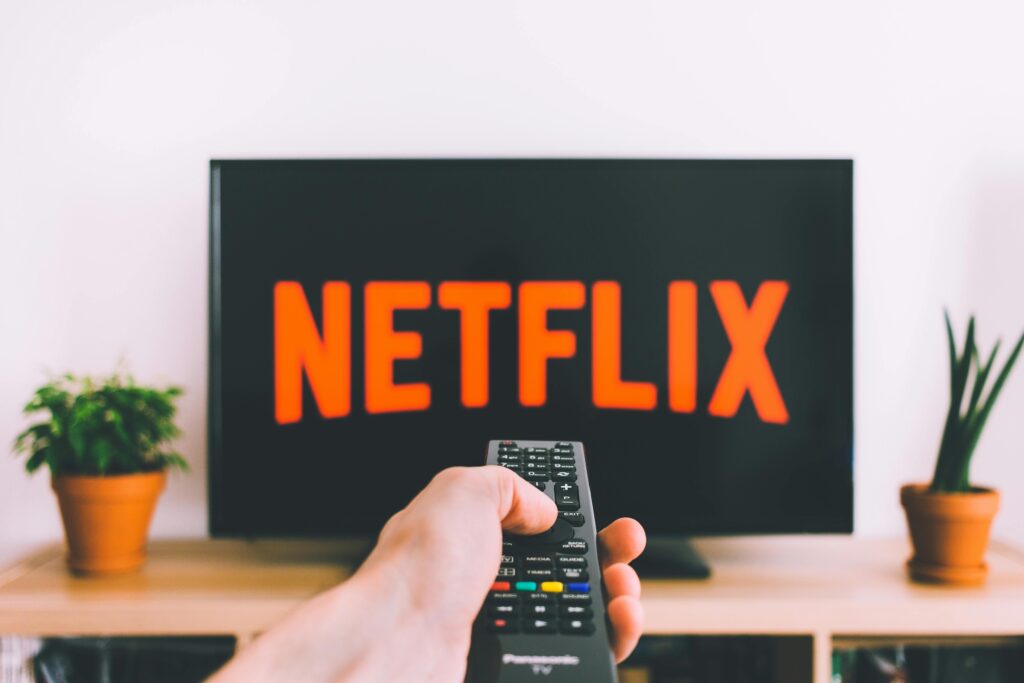
Netflix has altered the entertainment scene in the Arab East in recent years. Arab audiences are now enjoying original regional content, which was previously dominated by local dramas and Hollywood-dubbed movies. Filmmakers now have more creative flexibility and international recognition thanks to the explosion of Arabic-language television shows. In addition to changing storytelling, the “Arab Netflix Boom” is changing how Arab identities and cultures are portrayed globally.
Accessibility is a major factor in the rise of streaming services, like Netflix, in the Arab world. Netflix provides greater creative freedom than traditional TV, which is frequently constrained by censorship, financial constraints, or cultural norms. The forbidden concerns of gender, class, and identity are only a few of the complex or contentious subjects of Arab filmmakers. Shows like Dubai Bling (UAE), Jinn (also from Jordan), and AlRawabi School for Girls (Jordan) demonstrate the diversity of Arab experiences. They draw attention to the region’s increasing desire for narratives that deal with contemporary issues rather than only historical or customary ones. Young Arab audiences are experiencing a novel and revitalizing sense of visibility as a result of this shift.
Arab Netflix Shows Crossing Borders
The fact that these series are not only well-liked in the Middle East but are also accessible and gaining popularity on Western Netflix catalogues is among the most fascinating aspects of the Arab Netflix surge. Arab stories have been able to reach new audiences who may not have previously encountered this culture, thanks to its worldwide visibility. For instance, when it first debuted, AlRawabi School for Girls attracted viewers from both Europe and the United States. Making it one of Netflix’s most-watched non-English-language shows. Even while the setting, a private girls’ school in Amman, was distinctively Jordanian, its universal themes of bullying, camaraderie, and adolescent pressure struck a chord with viewers everywhere.
In a similar vein, Dubai Bling gained international attention by showcasing the extravagant lifestyle of Dubai’s influencers and businesspeople. International viewers found it fascinating as a window into the glitzy, fast-paced world of modern Arabia. Despite the fact that it drew mixed reviews locally for emphasizing luxury and drama. Finding Ola from Egypt, another popular series that debuted on Western Netflix, has received recognition for its innovative depiction of Arab women, striking a balance between independence, family, and self-discovery.
Arabic shows that are darker or more experimental have also been made available to viewers worldwide by Netflix. While The Exchange (Kuwait) gives a female take on a stock market thriller from the 1980s, Whispers (Saudi Arabia) delves into suspense and technological dread. These programs’ multilingual availability and international promotion demonstrate Netflix’s increasing faith in Arab talent. These days, it’s not simply “local content,” it’s global content created by Arabs for all.
Challenges and the Future of Arab Streaming
Despite these advancements, there are still significant obstacles facing the Arab Netflix surge. These new shows are criticized by some viewers for being “too Westernized” or failing to uphold traditional values. For instance, Jinn‘s daring depiction of adolescent relationships caused criticism in Jordan. This demonstrates how streaming exposes artists to cultural reaction even as it grants them freedom. In conservative nations, striking a balance between artistic expression and social expectations is still difficult.
Another concern is the uneven availability on streaming platforms. Even while Netflix is well-liked in the Gulf, many areas continue to face issues with internet limitations or membership fees. This may restrict who is able to view and engage with this new Arab storytelling. Furthermore, some critics contend that Netflix’s emphasis on global appeal may dilute local cultures by encouraging producers to produce shows that “feel international” rather than profoundly Arab.
The future is bright despite these obstacles. Netflix has announced even more Arabic projects as a result of the success of regional content, and rivals Shahid and StarzPlay are also making significant investments in original programming. By fostering a positive, creative atmosphere, this competition is giving Arab filmmakers additional venues to share their work. If this pattern holds true, Arab entertainment may see a golden age in the upcoming ten years. Including tales from Cairo, Amman, and Riyadh being broadcast and enjoyed globally.
Conclusion: A New Chapter for Arab Storytelling
The growth of Arab material on Netflix signifies a cultural turning point. For far too long, local tales were either constrained by local laws or filtered through external viewpoints. Arab creators are now able to take charge of their own stories thanks to streaming services. The end effect is a more comprehensive and genuine depiction of Arab life that has resonance on a local and international level.
The Arab Netflix phenomenon is still new, but it is already demonstrating how much there is to tell about the region. Arab storytellers are demonstrating that their voices count and that their experiences should be seen in everything from high school dramas to future thrillers. They now have a platform thanks to independent streaming, and the world is finally taking notice.
Want more articles like this? Sign up for our e-newsletter!
Check our blog here!