
Subscribe
to receive news by email
Poll
Will the Trump Administration Shift U.S. Policy in Favor of Palestine?
- No (87%)
- Yes (13%)
 Loading ...
Copyright © 2026 Arab America
Go topThanksgiving in the Arab American Community
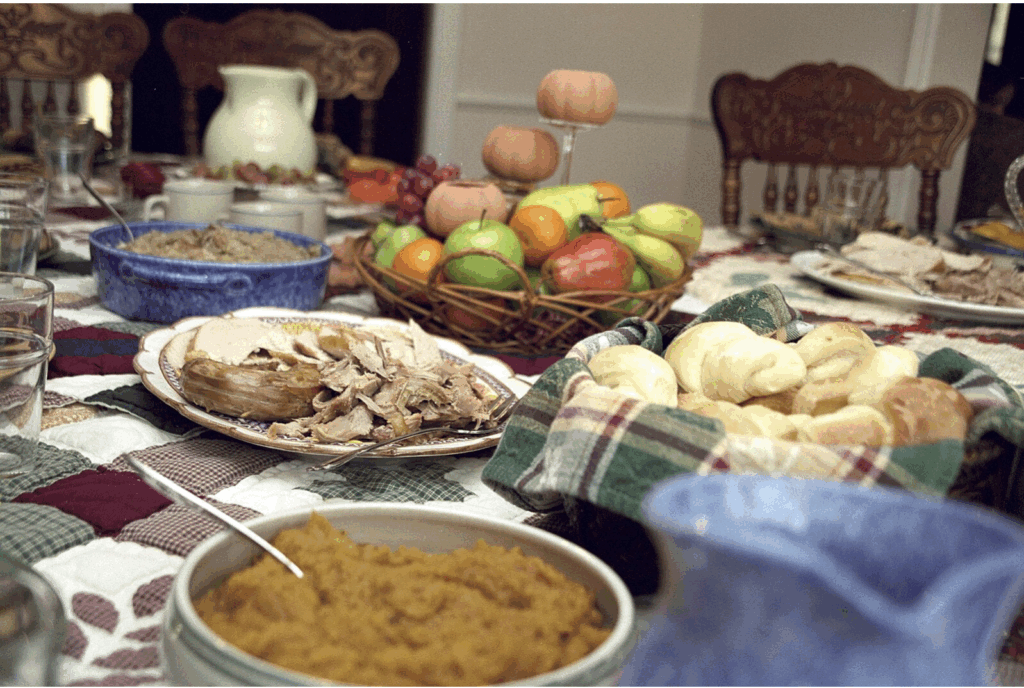
Photo By Ben Franske, CC BY-SA 4.0, via Wikimedia Commons
By Jake Harris / Arab America Contributing Writer
Thanksgiving in the United States is totally ingrained in the nation’s cultural fabric. Known for Apple Pie, Turkey, Stuffing, Football, Family. Unlike other major holidays in the United States like Christmas, and Easter, there isn’t a particular religious affiliation with the holiday like the others. Thanksgiving presents an opportunity for cultural assimilation for many without compromising ones own heritage and traditions. For the Arab American community, there are many values within Thanksgiving’s messaging that have potential to resonate with Christian, Islamic, and Arab cultural values.
Values of Thanksgiving
One value is a strong emphasis on family. The family, like in many cultures, is a core unit of Arab communities. Thanksgiving provides an opportunity for extended family that may live far apart to come together and enjoy precious time together.
Connection to Religious Values
The vast majority of Arab Americans are either Christian or Muslim. Both faiths, and for that matter all 3 Abrahamic faiths put a major emphasis on grace. It is a pillar of Christianity and Islam to be thankful for God’s blessings, even in times of difficulty.
Much of the Islamic faith is centered around gratitude, an element of the five daily prayers.
Hospitality is a major cornerstone of Arab culture, being good hosts is an important gesture of respect to one’s peers. Hosting large family gatherings is a crucial element of the average Thanksgiving.
Thanksgiving and Charity
Thanksgiving is also heavily focused on charity. An element of grace is trying to put yourselves in the shoes of those in a more difficult position than yourself. Empathy personified. Giving to the less fortunate is a major pillar of Islam. It is highly emphasized in the Islamic faith even in comparison to the other Abrahamic Religions. Throughout the holiday season, there will be considerable focus among charitable organizations to reach out to the Palestinian people to provide assistance. Mosques and Churches across America will combine community resources to try to economically alleviate as much of the suffering as humanly possible.
Thanksgiving will be a time of reflection, to all the men, women and children that have been lost in Gaza. It will also be a time to consider the hope that remains. The togetherness seen during the holidays will showcase the fact that millions of people across the United States refuse to give up in the ultimate mission of granting Palestinians self-determination, and sovereignty. This is in spite of overwhelming political obstacles within the US to get to this point.
In Christianity, saying grace is a common element of any family meal, but particularly Thanksgiving, thanking God for food which is often taken for granted in many parts of the world. Jesus practiced the grace ritual before the Last Supper, setting an example to his disciples on practices that would go on to be staples of Christian doctrine for thousands of years into the future.
There is debate within the Muslim scholarly community as to whether celebrating Thanksgiving is “imitating” other rituals in other faiths. Others argue that Thanksgiving is simply a universal, secular, day off that is not imitating other faiths or other rituals.
Thanksgiving’s Historical Context
Imam Shamsi Ali, a prominent figure in interfaith dialogue in the United States differentiated Thanksgiving as a “civil holiday of gratitude”. He also acknowledged the historical context behind Thanksgiving, and how it might discourage racial minorities in the United States. The founding lore behind the holiday is inextricably linked to colonialism in the United States. Ali argues it is possible to separate the messaging of Thanksgiving in the modern day from the darker historical context. It is understandable that Arab Americans may look at any reference of settler-colonialism as something unworthy of being recognized. It does not mean the message of the holiday isn’t important and worthy of celebration.
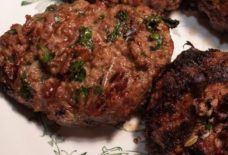
Thanksgiving also provides an opportunity for Arab American communities to combine Arabic cuisine with more traditional American thanksgiving foods. Foods such as Hummus, and Pita can provide excellent sides to main course dishes. Arab cuisine can provide a savory compliment to traditional American cuisine.
Want more articles like this? Sign up for our e-newsletter!
Check out our blog here!