

Subscribe
to receive news by email

Poll
Will the Trump Administration Shift U.S. Policy in Favor of Palestine?
- No (87%)
- Yes (13%)
 Loading ...
Copyright © 2026 Arab America
Go topThe Effects of Syria and Lebanon’s Potential Normalization with Israel


Historical Complexities
The center of the Arab-Israeli conflict run deep within both Syria and Lebanon. In Syria, the Israeli occupation of the Golan Heights starting in 1967 has been a major struggle in order to establish a peaceful resolution. Lebanon has also had quite its problems with Israel, notably in Israeli invasions that occurred in 1978 and 1982. Hezbollah, a Shia Muslim group based in Lebanon has also had major problems with Israel specially through the modern era.
Decades of war and trauma between Israel over the years have created a strong resistance to this entity, and has resulted in common clashes and never ending conflict in the region. In Lebanon any talks of negotiation are very hesitant and limited, especially because of Hezbollah’s past conflicts notably in 2006 and 2024 between the two. And in Syria talks of normalization are becoming more evident as a new regime has recently taken power, and are thriving for peace and rebuilding their war torn country.
How It Is Controversial
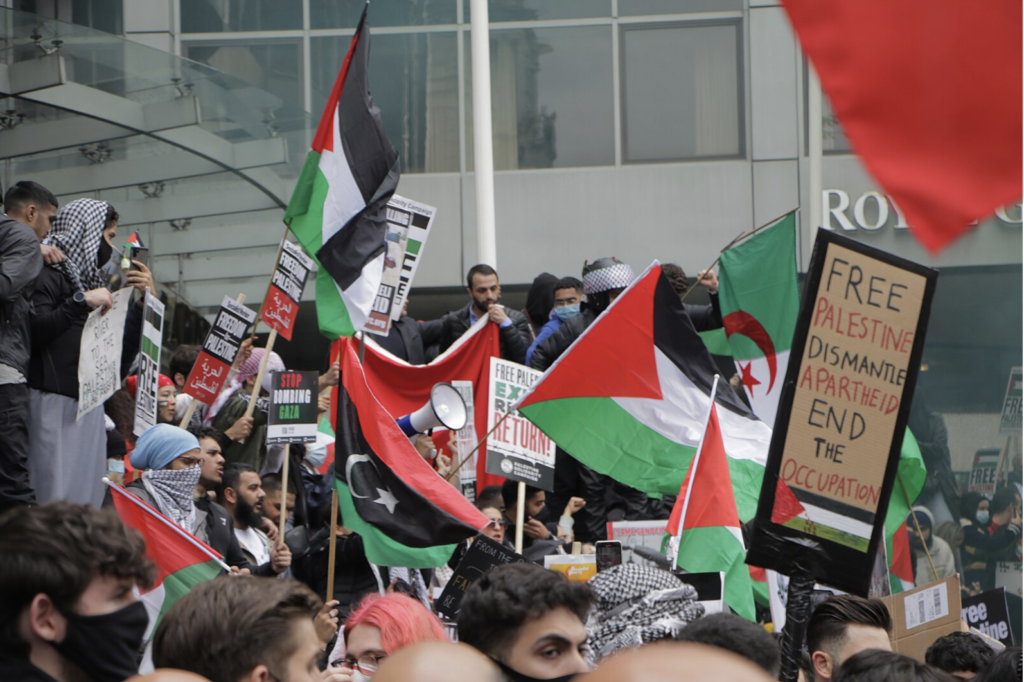
The idea of Israel and its existence across the Arab world is generally viewed in a negative manner, and has emotional, moral, and religious issues for many in the region. People who are supportive of normalization make the argument that peace can allow for economic recovery and stability across the region. However, others believe that making peace and recognizing the Israeli state, rejects Arab unity and support for the Palestinians who have faced occupation and atrocities for decades. In both Syria and Lebanon, groups like Hezbollah have a large part politically and militarily, and normalization is seen as directly the opposite of what they fight for.

Political and Foreign Influence
In recent years, especially in 2024 before the October 7th attack by Hamas, many Middle Eastern countries were becoming closer and closer with the idea of normalizing ties with Israel. Notably in 2020, the Abraham Accords were signed by four Arab countries, the UAE, Bahrain, Morocco, and Sudan. This influenced the idea of normalization further within the Arab world, and increased pressure on countries like Lebanon and Syria to follow in the same steps. However both countries are in a tough situation to head in the same direction, as Lebanon is dealing with both a political and economic crisis, and faces significant influence from Hezbollah. Syria which was once led by a very anti-Israel Bashar Al-Assad finds itself in a vulnerable position where peace maybe the only option, despite facing backlash and resistance from its citizen’s, especially in effort from keeping the Golan Heights away from Israel.
The Future of Resistance
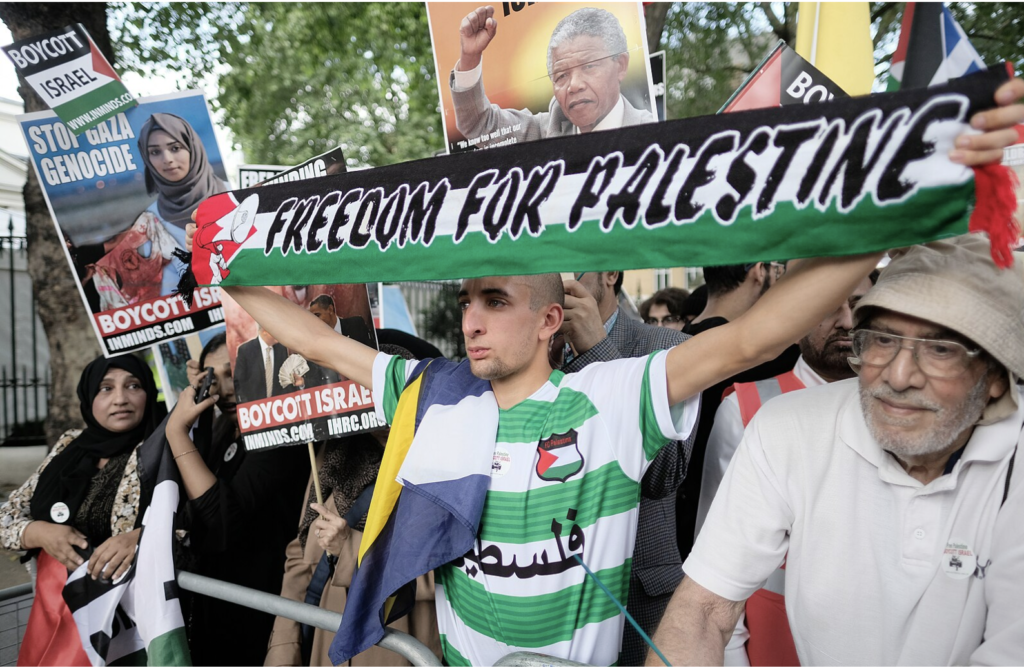

The question of whether or not normalization remains the best option for both these countries still remains unclear. While peace may reduce conflict, war, and sanctions, it can also result in instability and civil peace between its citizens. For example in Lebanon where different religious groups and people coexist, peace with Israel can result and uprisings and civil tensions which were once prevalent in the country. In Syria many are worried that making peace will mean abandoning Palestine and allowing for Israeli attacks to take place with little resistance. At the moment, both countries appear to be quite hesitant in making any formal decisions, and in fear of backlash from its citizens and allied countries. Finally, whether or not Israel and Syria actually move forward with this decision, there is no denying that it will carry a lasting impact for the future of the Middle East.
Want more articles like this? Sign up for our e-newsletter!
Check our blog here!