

Subscribe
to receive news by email

Poll
Will the Trump Administration Shift U.S. Policy in Favor of Palestine?
- No (86%)
- Yes (14%)
 Loading ...
Copyright © 2026 Arab America
Go topThe Evolution of Arab American Heritage Month Since Its Recognition
By: Londyn Sewell / Arab America Contributing Writer
Recognition, Representation, and Awareness
Arab American Heritage Month, celebrated every April, is still fairly new on a national level, but the idea behind it has been around for a long time. What started as small, local efforts has grown into a nationwide recognition of Arab American culture, history, and impact. Since it was officially recognized in 2021, the month has continued to grow. Not just in visibility but in meaning.
Before it had national spotlight, Arab America Heritage Month existed in parts. Different communities, schools, and states would celebrate Arab culture at different times of the year. These events were important, but they weren’t connected. There wasn’t one clear moment when the country stopped to recognize Arab Americans as a whole making it harder for the celebration to reach a wider audience.
Building a National Movement
Things started to shift in 2017 when the Arab American Foundation stepped in to bring structure and direction to what mostly had been minor efforts. Before this, recognition of Arab American culture and contributions often depended on individual communities, with no consistent national push behind it.
The foundation helped change that by taking on a leading role, actively promoting April as the official month of recognition and giving the movement clear focus. Working closely with local governments to encourage formal proclamations, schools, and organizations to make it happen. What once felt informal started to gain a lot of recognition. Turning into a growing national effort that gave Arab American Heritage Month a stronger and more visible presence each year.
Their efforts weren’t just about visibility, they were about building something lasting. By creating a more organized and unified approach, they made it easier for communities across the country to get involved and feel included in a larger movement. What once felt informal and disconnected started to gain real recognition. Overtime, this steady growth turned Arab American Heritage Month into a stronger national effort.
National Recognition and a Broader Meaning
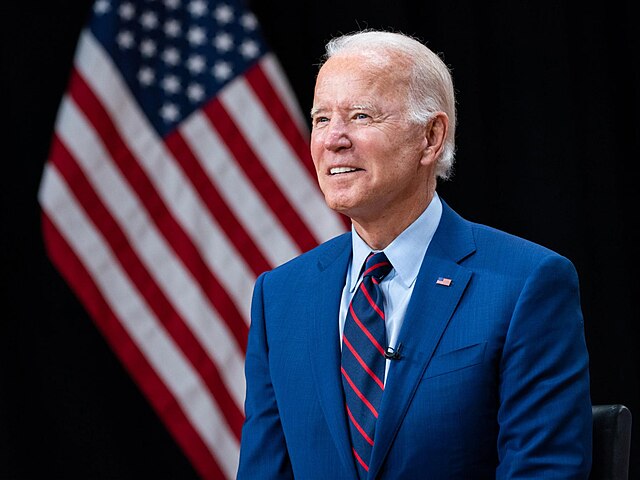
The biggest turning point came in 2021. That’s when the U.S. government officially acknowledged Arab American Heritage Month for the first time. Joe Biden recognized the month, giving it national attention. This moment mattered because it showed that Arab Americans were being recognized as an important part of the country’s story. At first, much of the focus was on celebrating culture with things like food, music, dance, and traditions. Those parts are still important, but now the month goes beyond just celebration. It’s a time for learning, sharing stories, and having real conversations.

Schools and colleges now take a more active role during April. Students learn about Arab American history, not just current culture. This includes learning about immigration stories, early Arab American history, not just current culture. This includes learning about immigration stories, early Arab America communities, and the contributions Arab Americans have made in different fields. That shift is important because, for a long time, Arab America was either left out of history lessons or often misunderstood.
Conversation Around Challenges
The month has also become a space where people talk about challenges. Arab Americans have faced discrimination. Even today, many still deal with stereotypes or lack of representation. Arab American Heritage Month now gives people a chance to address those issues while also celebrating progress.
Another big change has been the role of younger generations. College students and young creators have helped bring more attention to the month through social media. They share personal stories, highlight achievements, and call out misinformation. Because of this, Arab American Heritage Month feels more visible and more personal than before. It’s not just organizations speaking, it’s individuals sharing their own personal experiences.
Current events have also shaped how the month is observed. In recent years, global conflicts involving countries in the Middle East have made the month feel more serious at times. Instead of only focusing on celebration, many people also use April to raise awareness, show support, and have conversations about identity and belonging.
Ongoing Growth and Recognition
This shows how the month continues to grow alongside what’s happening in the world and how awareness is still building overtime. Even with all this progress, Arab American Heritage Month is still developing and finding its place in public recognition. Unlike older heritage months that are already widely established, it does not yet have the same consistent visibility everywhere. Some schools, workplaces, and institutions still don’t formally acknowledge it.
With so many people still learning what it means, what it represents, and why it matters. At the same time, that gap in recognition shows why the work being done now is so important. It reflects a moment of transition, where awareness is expanding but not yet complete, and where awareness is expanding but not yet complete, and where continued education, participation, and visibility will shape how widely it is embraced in the future.
Want more articles like this? Sign up for our e-newsletter!
Check our blog here!