

Subscribe
to receive news by email

Poll
Will the Trump Administration Shift U.S. Policy in Favor of Palestine?
- No (87%)
- Yes (13%)
 Loading ...
Copyright © 2026 Arab America
Go topThe Judaization of Jerusalem
By: Emma Campbell / Arab America Contributing Writer
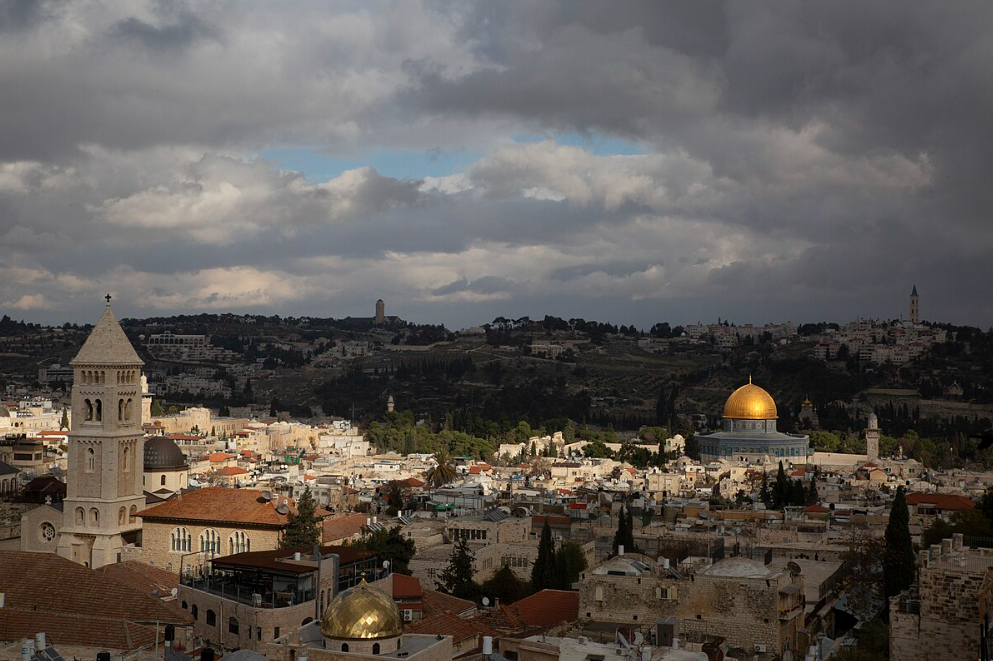
Earlier this month, Israeli settlers vandalized several graves in the Bab Al-Rahma cemetery, located in East Jerusalem. This action follows the trend of Judaization by Israel, which has been an active part of Israeli policy since the 1967 War. Despite the international community’s continual focus on Israel due to its perpetuated genocide in Gaza, Palestinian and Muslim populations continue to struggle. Their daily reality remains defined by the conditions of Israel’s illegal occupation. In this analysis, Arab America Contributing Writer Emma Campbell examines the realities of Judaization in Jerusalem, highlighting both the societal impact on Palestinians and harmful international policy.
What is Judaization?
According to Al-Quds Jerusalem, Judaization is “a policy through which the Israeli government aims to drive out any non-Jewish religious influences in Jerusalem in order to reinforce the Israeli claim to the area”. This includes any significant alterations of destructive actions of various landmarks, usually of a holy, historical, or cultural nature.
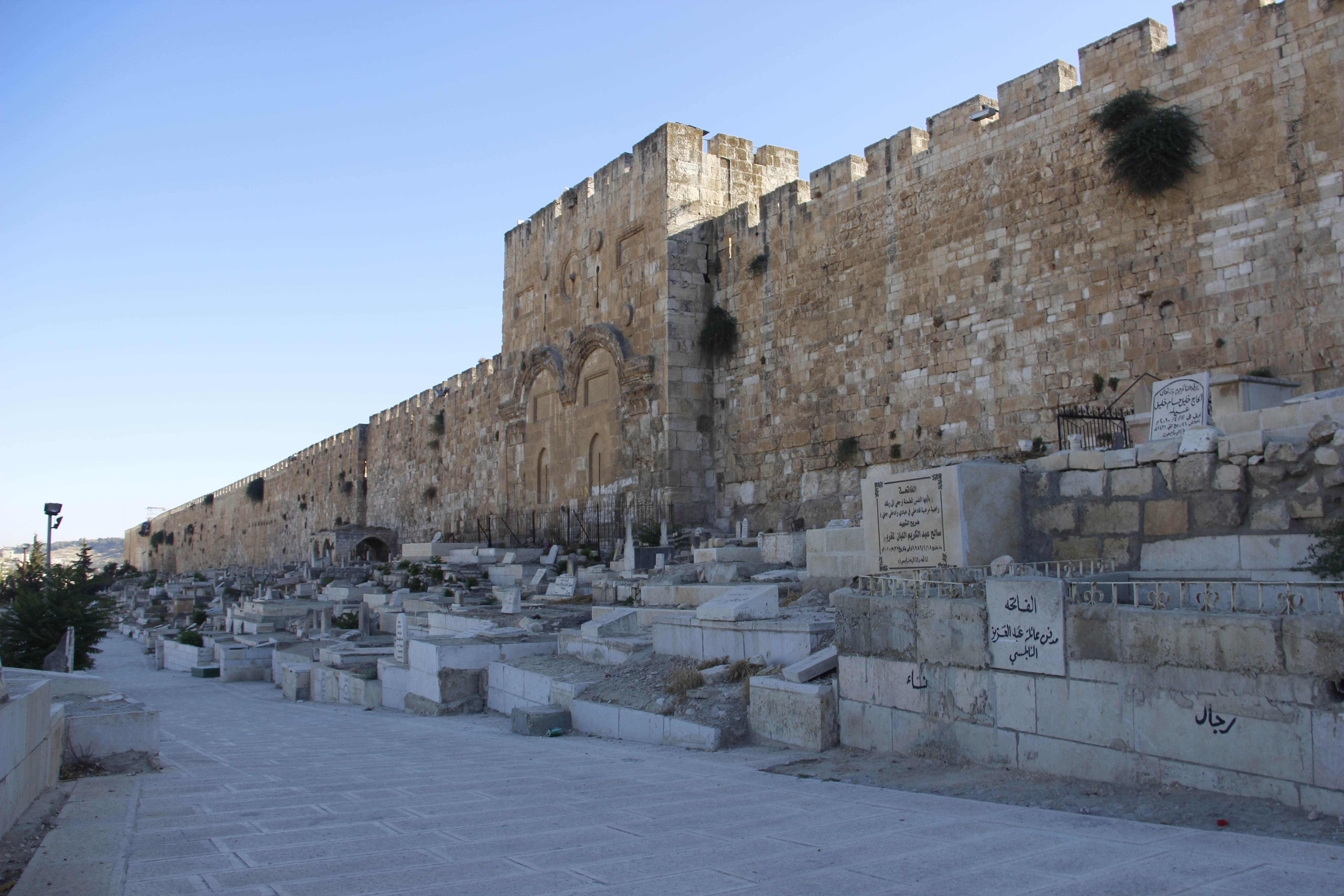
Attacks on the Bab Al-Rahma Cemetery
Israeli settlers continuously attack locations like the Bab Al-Rahma cemetery. This cemetery holds great historical significance, as its 1.2 acres borders the eastern wall of the Al-Aqsa Mosque compound. Additionally, the cemetery houses the graves of notable companions of the Prophet Muhummad, including Ubadah ibn Samit and Shaddad bin Was, alongside graves of warriors from the 1187 conquest of Jerusalem.
According to reports from the Palestinian Authority’s Jerusalem Governorate, settlers repeatedly attack the cemetery whole performing Talmudic rituals. Their goal is to claim the cemetery’s land. The Governorate also reported that the Israeli government’s plans to convert part of the cemetery into a “biblical garden”. Additionally, Israeli authorities are also conducting excavation work in the cemetery’s area for a cable car project.
The Impact on Jerusalem’s Arab Population
In terms of Jerusalem, this policy greatly affects the city’s population through a systematic change of demographics. Over the decades, Israeli policies have replaced Arab inhabitants of Jerusalem with Israeli Jewish residents. This occurs through a number of measures, including the confiscation of Arab lands, the expulsion of Palestinians from neighborhoods, displacement, and the creation of illegal Jewish settlements.
Israeli setters consistently twist West Bank laws in their favor, particularly when confiscating private land to build settlements and roads. In accordance with West Bank law, the state may only seize private land for public Palestinian needs. However, according to Al-Jazeera, Israel has built 12 settlements in East Jerusalem on Palestinian property and declared them for “public needs”.
Displacement and Dispossession
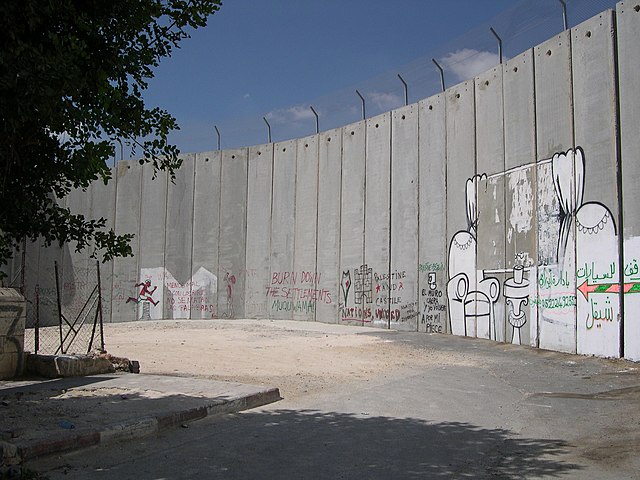
The confiscation of Arab lands within Jerusalem is nothing new; in the Old City alone, authorities have confiscated over 700 buildings. Additionally, the construction of Israeli neighborhoods has displaced hundreds of thousands of Palestinians hundreds of thousands of Palestinians from their own communities. One of the most infamous cases was the demolition of the 700-year-old neighborhood of Mughrabi to make way for a center for Jewish life. As well, the Separation Barrier created in 2002 greatly impacts Palestinian livelihoods. As it divides villages and families around West Bank territory, many other neighborhoods have become ostracized from Jerusalem. According to Al-Jazeera, Jerusalem disconnects 140,000 Palestinians from the rest of the city, including by denying them basic services and infrastructure. Some examples of these neighborhoods include Al-Ram, Abu Dees, and Al-Aizareigh, where residents can only enter Jerusalem under Israeli surveillance.
Cultural Judaization
While political judaization plays a major role in the daily lives of Palestinians through Israeli policy, cultural judaization also furthers dispossession. The seizure of Arab properties and their forced conversion into Jewish outposts or religious schools is not uncommon. Additionally, the Israeli state has historically facilitated the process of changing many Arab place and street names into Hebrew. Examples of this are “Khirbet Shifat” to “Yodfat”, which is a town located in Galilee, and even the name for Jerusalem itself: “Al-Quds” to “Ir HaKodesh”. As historic Palestinian, Arab, and Muslim landmarks are demolished in favor of Jewish buildings, Israelis continue efforts to drive out Palestinians.
One of these landmarks is the Al-Aqsa Mosque compound, where Israel is trying to drill under and around for excavation purposes. According to Al-Quds Jerusalem, these ceaseless actions interfere with the Islamic Endowment Authority, preventing it from performing tasks related to the restoration and care of Islamic monuments. This excavation project, alongside continuous vandalism efforts of the Bab Al-Rahma cemetery, come in addition to Israeli settlers forcefully entering the Al-Aqsa Mosque.
United States Policy Towards Israel – How it has Elevated Judaization
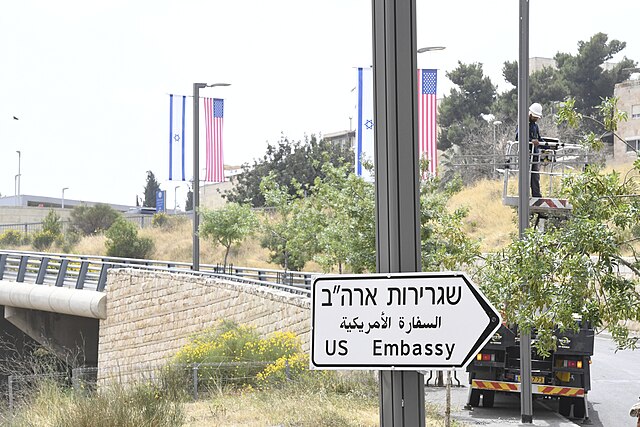
The Judaization efforts in Jerusalem have only become more apparent over the past decade. Despite all eyes being on Israel over its genocide of Palestinians, the Israeli government and settlers continue to act without consequence. The United States has played a big role in facilitating these uninterrupted atrocities, particularly since President Donald Trump’s first term. On December 6, 2017, President Donald Trump fulfilled a promise over ten presidents have made – moving the US Embassy to Jerusalem and recognizing Jerusalem as the capital of Israel. On this day the President stated, “Today, we finally acknowledge the obvious: that Jerusalem is Israel’s capital”. Since 1995, Congress has bipartisanly agreed to this agreement under the Jerusalem Embassy Act. Following this, the US Embassy to Israel in Jerusalem opened in May 2018, exactly seventy years since President Truman made the United States the first nation to recognize Israel as an independent country.
The United States’ unwavering dedication to Israel for over seventy years has helped further Israel’s incessant need to Judaize Jerusalem. As many US based organizations, like JNF-USA (US arm of the Jewish National Fund), continue to fund illegal settlements within East Jerusalem, Israel is receiving millions of dollars to further Palestinian dispossession.
The Unprecedented Nature of US-Israeli Relations
The United States is entering one of the most unprecedented and catastrophic phases of support for Israel, particularly in terms of its unrelenting aid despite the ongoing genocide. This unprecedented phase of US policy towards Israel has coincided with an intensified campaign to Judaize Jerusalem. Since October 7, 2023, authorities have continued emptying Palestinian neighborhoods, expanding land seizures and illegal settlements, and intensifying the stigmatization of Palestinians. In total, all of this has reinforced the structures that push Palestinians out of Jerusalem – furthering acts of dispossession and Israel’s illegal claim of the area.
Want more articles like this? Sign up for our e-newsletter!
Check out our blog here!