Subscribe
to receive news by email

Poll
Will the Trump Administration Shift U.S. Policy in Favor of Palestine?
- No (87%)
- Yes (13%)
 Loading ...
Copyright © 2026 Arab America
Go topThe Traditional Architecture of Kuwait - A Reflection of Culture, Climate, and Craftsmanship

By: Ralph I. Hage/ Arab America Contributing Writer
Kuwait, a country nestled at the head of the Persian Gulf, has experienced rapid modernization over the last century. Yet, beneath the glass towers and sprawling highways lies a deep architectural heritage. Traditional Kuwaiti architecture, once widespread across the old districts of Kuwait City, is an expression of the region’s adaptation to climate, available materials, and socio-cultural values. Although much of it has been lost to urban development, preserved examples and historical accounts continue to offer insight into the ingenuity and identity of Kuwait’s past.
Climate as a Design Driver
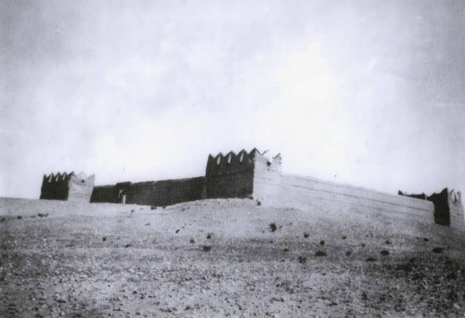
Kuwait’s harsh desert climate, characterized by scorching summers, mild winters, and frequent sandstorms, has historically shaped its architecture. Traditional Kuwaiti homes were built with passive cooling strategies long before the advent of air conditioning.
One of the most distinctive features is the wind tower, or badgir, a vertical shaft built to catch cooler upper-level breezes and direct them downward into the living spaces. Though more famously associated with Iranian architecture, wind towers were common in Kuwait’s old residential quarters, such as in the Fereej Al-Wataniya area.
Additionally, thick mud or coral stone walls, coated with white gypsum plaster, served to insulate homes from intense heat. Homes were oriented to minimize solar gain, with narrow lanes providing shade throughout the day. These environmental adaptations not only conserved energy but also reflected a deep respect for the natural context.
Materials and Construction Techniques
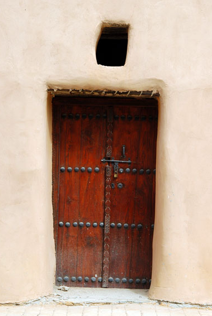
Traditional Kuwaiti architecture made use of locally sourced and imported materials that were suitable for the coastal desert environment. The primary building materials included coral stone, mud brick, gypsum, lime, and teak wood. Coral stone, harvested from the Gulf seabed, was prized for its porous nature, which helped regulate interior temperatures. Teak and other hardwoods, imported from India and East Africa via Kuwait’s maritime trade routes, were used for doors, window frames, and roofing beams.
Roofs were constructed with wooden beams covered by palm fronds and layered with clay and lime for waterproofing. This allowed for flat roofs, which served multiple functions – from sleeping during hot summer nights to drying dates or social gatherings.
An example of this traditional construction can be seen in Al-Qasr al-Ahmar in Al Jahra, about 32 kilometers (20 miles) west of Kuwait City. Al-Qasr al-Ahmar showcases the elegance and efficiency of traditional techniques, with a central courtyard, decorated wooden doors, and well-ventilated rooms.
The Courtyard House: Heart of the Kuwaiti Home
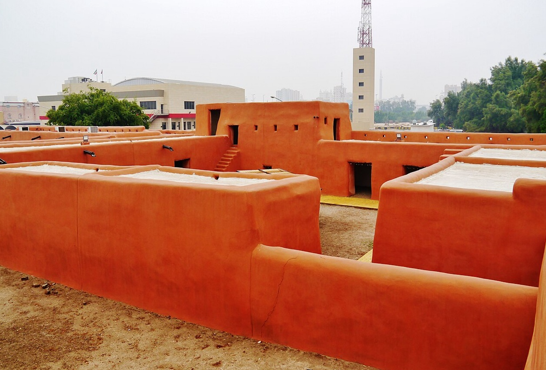
The courtyard house, or dar, was the quintessential Kuwaiti home. Built around an open-air courtyard, it was a model of privacy, practicality, and cultural symbolism.
The central courtyard served as the nucleus of family life – a space for children to play, women to socialize away from public view, and for hosting guests during celebrations. The surrounding rooms were organized according to function and hierarchy. Guest areas (diwaniyas) were often situated near the entrance for easy access, while family quarters were located deeper within the compound.
This spatial organization reflected Islamic principles of privacy and modesty, especially in gendered spaces. Thick walls, small windows facing outward, and high parapets ensured that families, particularly women, could enjoy open air and natural light without compromising privacy.
In many homes, the majlis or diwaniya – a reception room for male guests – played a central social and political role. Even today, the diwaniya remains a vital cultural institution in Kuwaiti society.
Decorative Elements and Artistic Expression
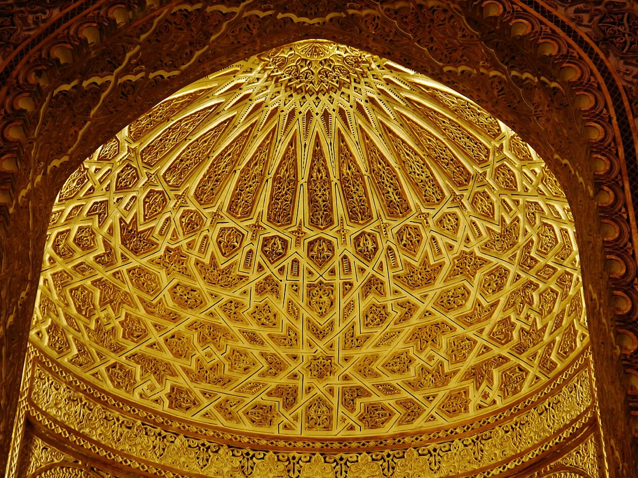
Though functional in form, traditional Kuwaiti architecture was far from austere. Ornamental details expressed wealth, identity, and regional aesthetics.
Woodwork was a major medium for decoration. Teak doors were intricately carved with geometric and floral motifs, often reflecting Indian or Persian influences due to historical trade ties. Lintels were sometimes engraved with Quranic verses or poetic inscriptions, a practice rooted in Islamic art traditions.
Gypsum plasterwork, applied to interior walls and arches, added both beauty and texture. Ventilation grilles made of carved wood or gypsum added a decorative and practical feature, allowing for airflow and light while maintaining privacy.
Windows were typically small and placed high, but often featured colored glass inserts that cast colored light into the rooms, adding a spiritual and aesthetic dimension to the otherwise minimalist interiors.
Urban Fabric and Community Planning
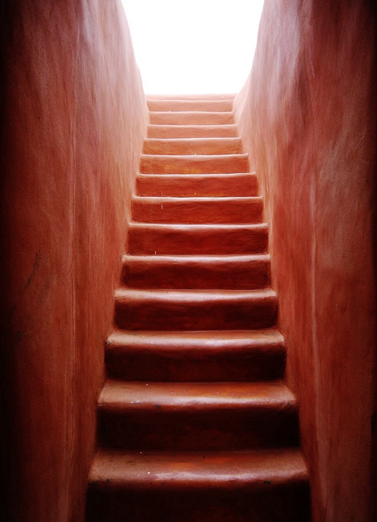
Traditional neighborhoods in Kuwait were compact and organized around community needs. These districts were structured with winding alleys, cul-de-sacs, and shared open spaces.
The organic layout encouraged neighborly interaction and mutual assistance, particularly among extended families living nearby. Mosques, small marketplaces (souqs), and water wells were all within walking distance, reinforcing a self-sufficient lifestyle.
There was also a strong connection to the sea, as many Kuwaitis were involved in pearl diving and maritime trade. Coastal structures such as boat houses reflected the sea-based livelihoods of their occupants, often built with more storage areas and access to docking points.
Preservation and Contemporary Influence
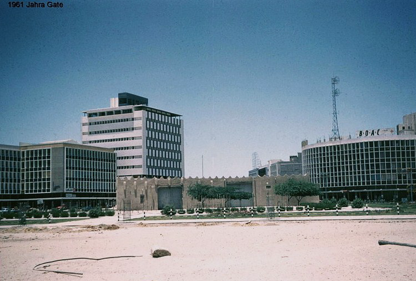
Despite the rapid urbanization following the oil boom of the 1950s and 60s, there is growing recognition of the need to preserve Kuwait’s architectural heritage. Institutions like the National Council for Culture, Arts and Letters (NCCAL)and Dar Al Athar Al Islamiyyah are at the forefront of restoring and repurposing traditional buildings.
Modern architects are also drawing inspiration from traditional forms., Several regional architecture firms have incorporated courtyard elements, screened facades, and wind-catching forms into contemporary projects, blending heritage with innovation.
The Past and the Future
Traditional Kuwaiti architecture is not merely a relic of the past – it is a living testament to the country’s adaptation, artistry, and values. From climate-responsive design to community-focused planning, these structures reflect a holistic understanding of environment, identity, and spirituality. As Kuwait continues to evolve, embracing and integrating its architectural legacy will be key to building a culturally rich and sustainable future.
Ralph Hage is a Lebanese American architect who divides his time between Lebanon and the United States.
Want more articles like this? Sign up for our e-newsletter!
Check out our blog here!