

Subscribe
to receive news by email

Poll
Will the Trump Administration Shift U.S. Policy in Favor of Palestine?
- No (87%)
- Yes (13%)
 Loading ...
Copyright © 2026 Arab America
Go topThe Traditional Architecture of Sudan - A Historical and Regional Survey

By Ralph I. Hage/Arab America contributing writer
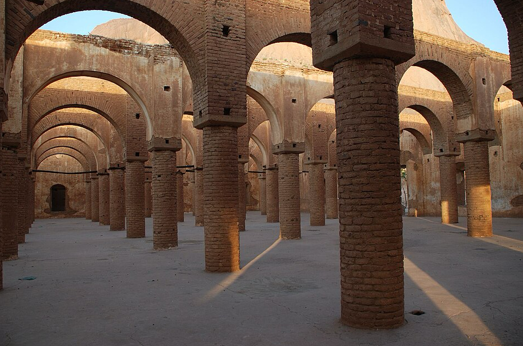
Sudan’s architectural heritage is deeply intertwined with its diverse history, geography, and cultural influences. The country’s vast landscapes — from the Sahara desert in the north to the lush Nile basin in the middle, and the humid Red Sea coast to the east—have shaped a wide range of building techniques and styles. The architecture of Sudan is a blend of ancient traditions, environmental adaptation, and external influences, all contributing to the rich tapestry of designs found across the country.
Materials, Techniques, and Vernacular Forms
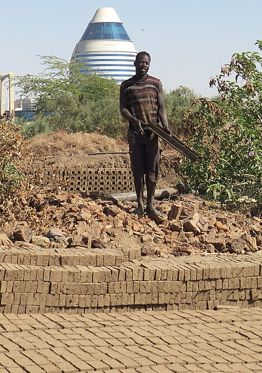

A defining feature of Sudanese architecture is its reliance on local materials. Most traditional buildings in Sudan are constructed from mud bricks or sun-dried clay, a technique that has been passed down for centuries. The Nile’s annual floods provide a consistent source of rich silt, which is mixed with straw or cow dung to create sturdy, insulating bricks. These thick walls help mitigate the intense heat during the day and keep interiors cool during the hot desert nights. For roofing, traditional houses often use flat or vaulted designs, supported by wooden beams. In some areas, particularly along the Red Sea coast or in the south, thatched roofs or sloping roofs made from plant materials are common due to the higher rainfall.
One particularly distinctive technique found in Sudanese architecture is the Nubian vault, a method of constructing vaulted roofs or ceilings with mud bricks without the need for wooden framing or metal reinforcements. This technique allows builders to create sturdy, dome-like structures while minimizing the need for imported materials like timber, which was historically scarce. The Nubian vault is not only environmentally sustainable but also offers excellent thermal insulation, making it ideal for hot climates. This ancient technique is being revived today as part of a broader movement towards more sustainable building practices in the region.
Ancient Sudan: Kushite, Napatan, and Meroitic Architecture
.jpg)
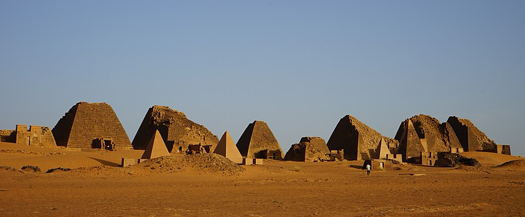
Sudan’s ancient civilizations, particularly the Kingdom of Kush, left behind a remarkable architectural legacy that can still be seen today. The Kushite period, which spanned from roughly 2500 BCE to 350 AD, produced some of the most iconic monuments in the history of the African continent. Among the most notable are the Pyramids of Meroë, located in the northeastern Sudanese desert. Unlike the grand pyramids of Egypt, those in Meroë are smaller and have steeper sides. These pyramids were built as royal tombs for the Kushite kings and queens, and the site includes over 100 pyramids in total, making it one of the largest collections of pyramids in the world.
The Kushites also constructed impressive temples, such as the Temple of Amun at Naqa, which displays a fusion of Egyptian architectural forms and local Sudanese influences. Temples like these were designed with typical Egyptian features, such as hypostyle halls and courtyards, but often incorporated distinctively Kushite elements, like carved stone reliefs depicting local gods and kings. The integration of Egyptian religious practices with indigenous Sudanese beliefs is evident in structures like the Lion Temple at Musawwarat es-Sufra, which was dedicated to the war god Apedemak and contains intricate carvings and terraced platforms. Beyond religious buildings, the Kushites were also adept in creating complex water management systems, including large reservoirs designed to collect and store rainwater for use during the dry season. These innovations underscore the Kushite understanding of their environment and their ability to build in harmony with the desert climate.
Coastal and Urban Architecture: Suakin and Red Sea Traditions
The coastal region of Sudan, particularly the port town of Suakin, offers a stark contrast to the ancient pyramids and temples of the Nile Valley. Suakin’s architecture is characterized by its use of coral stone, a material abundant along the Red Sea coast. Buildings in Suakin were traditionally constructed with blocks of coral stone, which were quarried from nearby reefs. The porous nature of coral stone made it a suitable building material for the humid coastal environment, as it allowed for better ventilation and thermal regulation, keeping buildings cool despite the intense heat of the region.
Suakin’s buildings are typically multi-story, with flat roofs and narrow streets that help trap cooling breezes and offer shade during the hottest parts of the day. Mashrabiyas — wooden lattice screens or windows — are a distinctive feature of many homes, providing privacy while allowing for airflow. The homes in Suakin were often painted white to reflect the sun, further enhancing their cooling effect. The layout of the city, with its tight alleys and courtyards, also reflects a response to the local climate, as well as a desire to protect the inhabitants from the harsh winds that sweep across the coast.
The architecture of Suakin shows strong Islamic influences, with domed roofs, carved wooden doors, and the characteristic minarets found in many Sudanese mosques. The traditional houses in the town also display elaborate wooden doors and intricately decorated stone facades, blending practical needs with aesthetic appeal. However, Suakin’s architecture is not just influenced by local traditions — it also reflects the long history of trade with the Arabian Peninsula, India, and the Mediterranean. The town was a major port for centuries, facilitating cultural exchange and architectural cross-pollination.
Continuity and Vernacular Building Forms
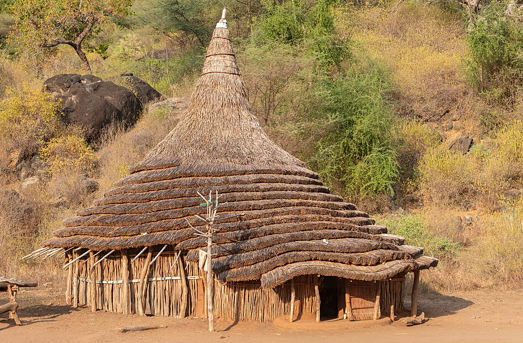

Despite the grandeur of Sudan’s ancient and coastal architecture, vernacular buildings are at the heart of Sudanese architecture. Traditional Sudanese houses vary by region, but commonly include the rectangular, flat-roofed house typology (made from dried clay, mud-brick, or dung plaster) for central and northern areas, and a round hut with a thatched, conical roof, in rural and southern regions.
Even in more modern constructions, traditional Sudanese architecture retains a focus on practicality and environmental adaptation. For example, while some urban areas have embraced concrete and steel, many homes still use local materials, and the same principles of thermal insulation and passive cooling are applied. Local builders continue to use traditional techniques, often passed down from generation to generation, ensuring that the architecture remains grounded in the region’s cultural heritage.
Environmental and Cultural Drivers
The environment of Sudan plays a central role in shaping its architectural forms. The country’s hot, arid climate has led to the widespread use of thermal mass — thick walls made of mud or stone that absorb heat during the day and release it at night, helping maintain a cooler indoor temperature. In areas with seasonal rains, roofs are often sloped to allow for efficient water drainage. The scarcity of timber in many regions has led to the development of vaulting techniques like the Nubian vault, which eliminates the need for wooden beams and supports long-lasting, eco-friendly structures.
Cultural factors also play a significant role in the design of Sudanese buildings. Islamic architecture has had a profound influence, especially in urban areas, where mosques and other religious buildings feature domes, minarets, and elaborate decorative elements. In rural areas, traditional Sudanese homes reflect indigenous cultural practices and social structures, with homes often built by extended families or communities working together. These homes emphasize shared outdoor spaces and are designed to promote social cohesion.
Preservation and Future Challenges
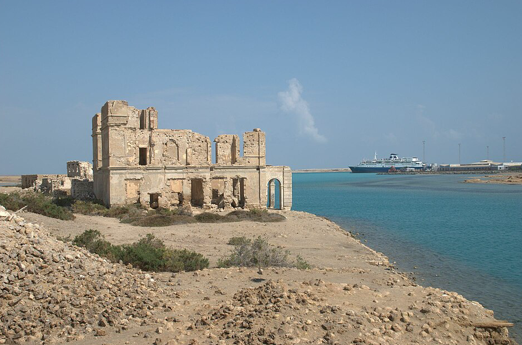

While traditional architecture in Sudan is rich and varied, much of it is under threat. Climate change, urbanization, and the degradation of materials like coral stone and mud brick are significant challenges. Sites like Suakin, with its delicate coral buildings, are particularly vulnerable to environmental damage, while ancient sites such as the pyramids of Meroë face erosion and neglect. However, there are efforts underway to preserve and revive Sudan’s architectural heritage. The Nubian vault, in particular, has seen a resurgence in popularity as a sustainable building technique that can be used to address both modern needs and environmental concerns.
Preserving Sudan’s architectural heritage is vital not only for historical reasons but also for maintaining the cultural identity of its people. As Sudan faces the challenges of modern development and climate change, the country’s traditional architecture offers a valuable resource for building more sustainable, climate-responsive structures in the future.
From the Past to the Future
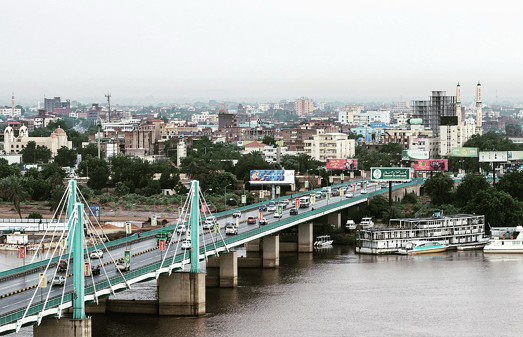

Sudanese architecture is a reflection of the country’s diverse geography, history, and culture. From the monumental pyramids and temples of ancient Kush to the coral buildings of Suakin and the vernacular mud-brick houses scattered across the country, Sudanese architecture is rich in form and function. By blending local materials and techniques with external influences, the architecture of Sudan provides a fascinating lens through which we can understand the country’s past and present. As Sudan moves into the future, the preservation and adaptation of these architectural traditions will be crucial in maintaining a sustainable and culturally resonant built environment.
Ralph Hage is an architect and writer whose work often explores the intersections of art, architecture, and cultural heritage in Lebanon and across the Arab world.
Want more articles like this? Sign up for our e-newsletter!
Check out our blog here!