
Subscribe
to receive news by email

Poll
Will the Trump Administration Shift U.S. Policy in Favor of Palestine?
- No (87%)
- Yes (13%)
 Loading ...
Copyright © 2026 Arab America
Go topThe Traditional Architecture of the United Arab Emirates
By: Ralph I. Hage / Arab America Contributing Writer
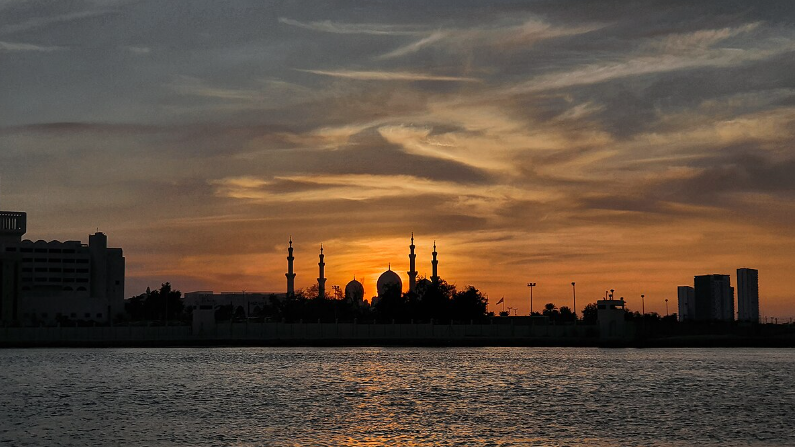
The United Arab Emirates (UAE) is internationally recognized for its gleaming modern skyscrapers, extravagant shopping malls, and luxurious hotels. Yet, beneath this contemporary veneer lies a rich architectural tradition that reflects the region’s ingenuity, resourcefulness, and cultural heritage. The traditional architecture of the UAE is a fascinating blend of historical influences, local materials, and environmental adaptation. By exploring the elements of Emirati design and its evolution, we can gain a deeper appreciation for the country’s architectural legacy.
Origins and Influences

The UAE’s architectural traditions have been shaped by several key influences: the desert environment, Islamic culture, and the Bedouin way of life. Before the UAE’s rapid modernization in the late 20th century, the region was mostly inhabited by nomadic Bedouins, fishermen, and pearl divers. Their lifestyle dictated a pragmatic approach to architecture – one that had to respond to the harsh desert heat, limited resources, and a need for defense. A blend of Islamic architectural styles and indigenous forms emerged, grounded in practicality but with a keen eye for beauty. This combination resulted in functional yet aesthetic designs that have stood the test of time.
Key Features of Traditional Emirati Architecture
1. Wind Towers (Barjeel)
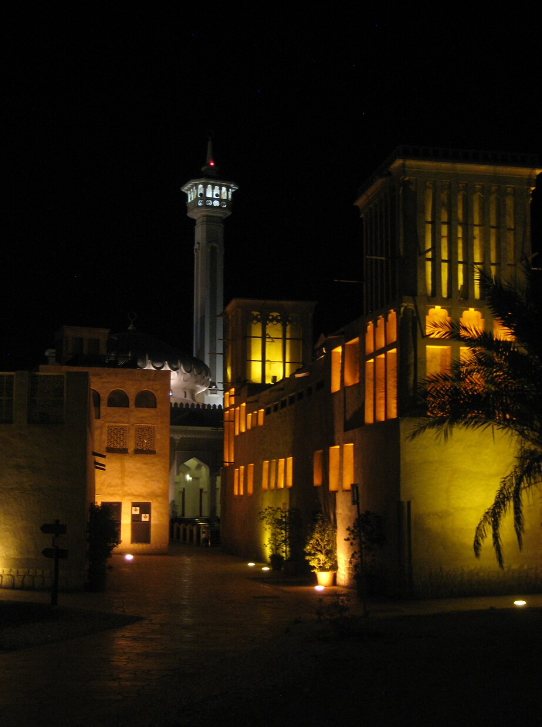
One of the most iconic elements of traditional Emirati architecture is the barjeel, or wind tower. This feature was crucial in providing natural ventilation in the region’s blistering heat. Wind towers function by capturing cooler breezes at higher elevations and funneling them into the buildings, creating a passive cooling effect.
An excellent example of this is found in Dubai’s historic Al Fahidi neighborhood (formerly Bastakiya). These wind towers were a defining feature of the area’s early architecture, designed to maximize airflow through narrow alleys and into the homes. The Al Bastakiya district is now a museum showcasing traditional architecture and urban design in Dubai, providing a living lesson in historical cooling techniques.
In addition to its practical function, the barjeel symbolized the ingenuity of the region’s builders. The wind towers were especially important in areas like Dubai, where hot summers could easily push temperatures above 40°C (104°F), making natural ventilation an absolute necessity.
2. The Courtyard House (Bayt al-Muqadim)
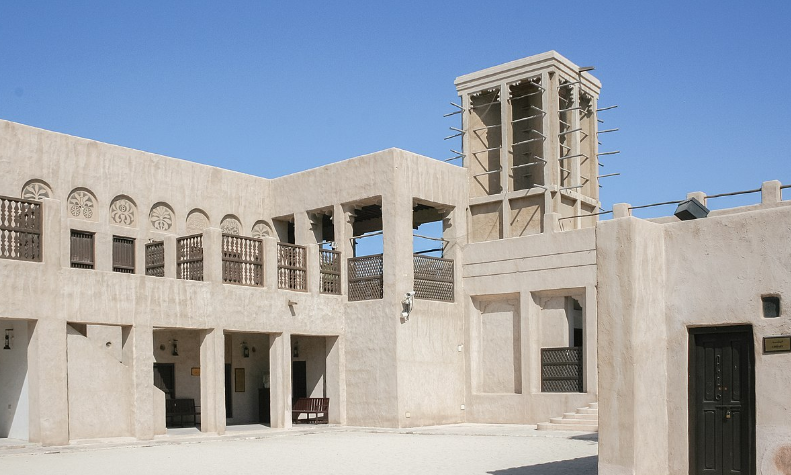
The bayt al-muqadim, or courtyard house, is another essential feature of traditional Emirati architecture. These homes were designed to provide privacy and protection from the scorching sun. Typically, the house would consist of a central open courtyard surrounded by rooms or halls. This layout allowed for natural light and ventilation while keeping the interior cool and shaded.
One of the best-preserved examples of this style can be seen in the Sheikh Saeed Al Maktoum House in Dubai. Built in the early 20th century, the house was home to Dubai’s ruling family and follows the principles of the traditional courtyard design. It is now a museum showcasing the history of Dubai and providing a tangible example of the practical beauty embedded in traditional Emirati architecture.
The central courtyard also served as a social space where families could gather, reinforcing the importance of communal life in Emirati culture. The design of these homes highlighted the importance of privacy, which remains a significant value in Emirati society today.
3. Use of Natural Materials
The use of locally sourced, natural materials is another hallmark of traditional Emirati architecture. For coastal buildings, coral stone was frequently used. This durable, porous stone could be easily carved and was effective in maintaining a cooler interior. An excellent example of coral stone architecture is the Al Fahidi Fort in Dubai, the oldest existing building in the city, which is now home to the Dubai Museum.
The Qasr Al Hosn in Abu Dhabi, a former royal residence and now a museum, also features
traditional materials. Its thick mud walls and palm-frond roofs are examples of how these
materials were expertly used to create structures that could endure the region’s harsh climate.
4. Fortresses and Watchtowers
The UAE’s history of tribal conflicts and the need for defense were key factors in shaping its architectural landscape. Fortresses and watchtowers, or qal’at, were built with thick walls, narrow windows, and strategic locations to provide protection. These buildings were not only defensive structures but also centers of authority.
The Al Fahidi Fort in Dubai, initially constructed in 1787, served as a defensive structure and later became the seat of the Dubai government. These forts were strategically positioned to allow for surveillance of the surrounding landscape, giving defenders an advantage over potential attackers.
5. Mosques and Religious Architecture
Islamic architectural principles profoundly influenced the design of mosques in the UAE. While modern mosques often combine traditional elements with contemporary features, many still retain the fundamental design principles that have been part of Islamic culture for centuries.
The Al Noor Mosque in Sharjah is a stunning example of Islamic architecture that incorporates both Ottoman-inspired and traditional Emirati designs. The mosque’s grand dome and minarets are symbols of Islamic aesthetics, while its courtyard design also reflects the traditional principles of ventilation and communal space found in local homes.
Another striking example is the Sheikh Zayed Grand Mosque in Abu Dhabi, which blends both traditional and contemporary Islamic design. With its expansive prayer hall and vast courtyards, the mosque illustrates the enduring legacy of Islamic architectural traditions that continue to shape the built environment in the UAE.
The Traditional Architecture of the UAE
The traditional architecture of the UAE tells a story of cultural identity, resilience, and environmental adaptation. From the clever wind towers to the grand mosques and fortresses, each structure represents the values and lifestyle of the Emirati people. While the rapid pace of modern development has dramatically altered the landscape of the UAE, efforts to preserve and incorporate traditional architectural elements into new projects help maintain a link to the past. As the UAE continues to evolve, the traditional architecture serves as both a reminder of its origins and a model for sustainable, thoughtful design in the future.
Ralph Hage is a Lebanese American architect who divides his time between Lebanon and the United States.
Want more articles like this? Sign up for our e-newsletter!
Check out our blog here!