

Subscribe
to receive news by email

Poll
Will the Trump Administration Shift U.S. Policy in Favor of Palestine?
- No (87%)
- Yes (13%)
 Loading ...
Copyright © 2026 Arab America
Go topUS Attacks against the International Criminal Court Intensify
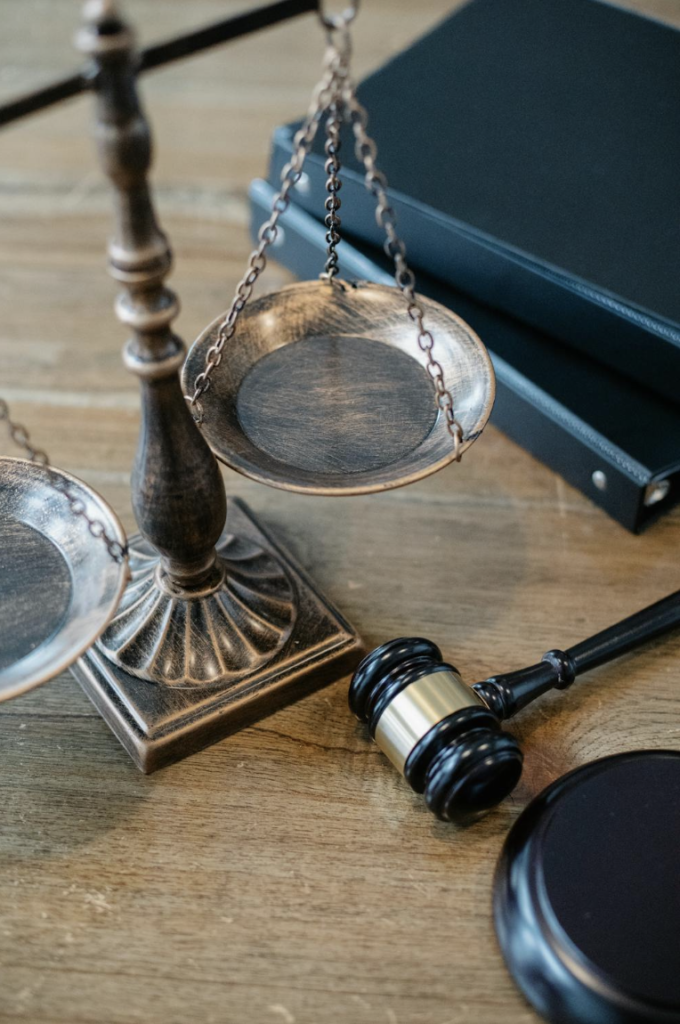
By Jake Harris / Arab America Contributing Writer
The Hague, Netherlands is considered the center of organizations related to maintaining International Law. The City is the headquarters for the International Criminal Court, International Court of Justice, as well as other supranational organizations. 125 countries are signed on as state parties to the Rome Statute. The Rome Statute established the International Criminal Court. Some states disagreed on the guidelines therefore not signing on to be part of the Courts jurisdiction.
International Criminal Court in Palestine
The court has gained particular prominence in the headlines since the Gaza War began. The court issued arrest warrants for Israeli Prime Minister Benjamin Netanyahu, now former Defense Minister Yoav Gallant, as well as now deceased Hamas leaders Ismail Haniyeh and Yahya Sinwar. Israel claims the court has a complete lack of jurisdiction to investigate such a case. The State of Palestine became a non-member observer state to the United Nations in 2012. Palestine signed on to the Rome Statute in 2015.
Netanyahu and Gallant are accused of using starvation as a method of warfare, and intentionally directing attacks on civilian populations.
US Condemnation of The Hague
US officials even prior to the second Trump administration reacted with intense opposition to the case. Joe Biden called the initial warrants “outrageous” and creating an “equivalence” between Israel and Hamas. This is despite the leaders of each side being accused of different offenses. If anything it shows that the court is operating from a lack of bias towards Israel or Hamas, holding all leaders responsible for alleged war crimes to account.
President Trump signed Executive Order 14203 on February 6th 2025 issuing sanctions against ICC officials. The government calls the case “lawfare” and has on multiple occasions accused the institution of being a “kangaroo court”. Reed Rubinstein, a lawyer for the State Department says “all options are on the table” if the case isn’t dropped. Congressional Republicans and Secretary of State Marco Rubio have near unanimously blasted the case.
“Hague Invasion” Act
The prospect of US officials getting in trouble with International Law courts is something that the government has considered for years. The American Servicemembers Protection Act of 2002 was signed into law during the George W. Bush administration. The law allows the US to use military force to liberate any American, or US-allied official held at The Hague by the ICC. It also would restrict aid to any countries that are signed on to the Rome Statute if such a scenario were to arise. It is hardly a coincidence that this law was passed right on the precipice of the US launching a major war in Iraq. The war had very mixed opinions even in the sector of the international community that allies with the US.

Sanctioning International Criminal Court Officials
Having a disagreement with the charges brought is why the case needs to be litigated properly. Instead of threatening and sanctioning ICC officials, The US should state that while they disagree with the charges brought, they are willing to let the process play out. This includes hearing witnesses and evidence. Regardless, Netanyahu will almost certainly never travel to any territory that would enforce the warrant. Netanyahu has a legal defense team that consists of former New York governor Andrew Cuomo, and famous attorney Alan Dershowitz, famous for defending high profile clients such as O.J Simpson and Mike Tyson. This indicates that this case is anything but a kangaroo court case or a witch hunt but a trial that will be litigated like any other court case in a democracy with the rule of law.
The US and the Allies from the aftermath of the Second World War were instrumental in creating the international law institutions of today. The United States is one of the 196 countries to ratify the Geneva Conventions which serve as the international laws and guidelines for warfare. The Rome Statute bases its laws for war heavily on the Geneva Convention. With expansions related to domestic crimes committed by leaders. Institutions of International Law should not be obstructed by national governments. Obstructing justice is still just that, even on a geopolitical scale. The cases should play out and voices shall be heard
Want more articles like this? Sign up for our e-newsletter!
Check our blog here!