
Subscribe
to receive news by email

Poll
Will the Trump Administration Shift U.S. Policy in Favor of Palestine?
- No (87%)
- Yes (13%)
 Loading ...
Copyright © 2026 Arab America
Go topWhen Japan Visited Fairuz
By Ralph Hage/Arab America Contributing Writer
صباح ومسا
شي ما بْيِنْتَسَى
ترَكْت الحبّ
وأخدْتْ الأسى
شو بَدّي دُور؟
لَشو عم دُور؟
على غيرو
في ناس كتيرْ
لكن بيصيرْ
ما في غيرو
حبيبي كان
هَنِي وسِهْيانْ
ما في غيرو
حِمِلني سنين
مانُن هَيْنِين
كًتِّر خَيْرو
حبيبي منيحْ
لَشو التجريحْ؟
تِعِب منّي
أنا اللي كِنتْ
ما بفهم بنتْ
حِمِل عنّي
صباح ومسا
شي ما بْيِنْتَسَى
ترَكْت الحبّ
وأخَدْت الأسى
لعلّ وعَسَى
إترُك هالأسى
ويرجعلي حُبّي
صباح ومسا
بس إنتَ
إنتَ وبسّ
بس إنتَ
إنتَ وبسّ
:كلمات وألحان
زياد الرحباني
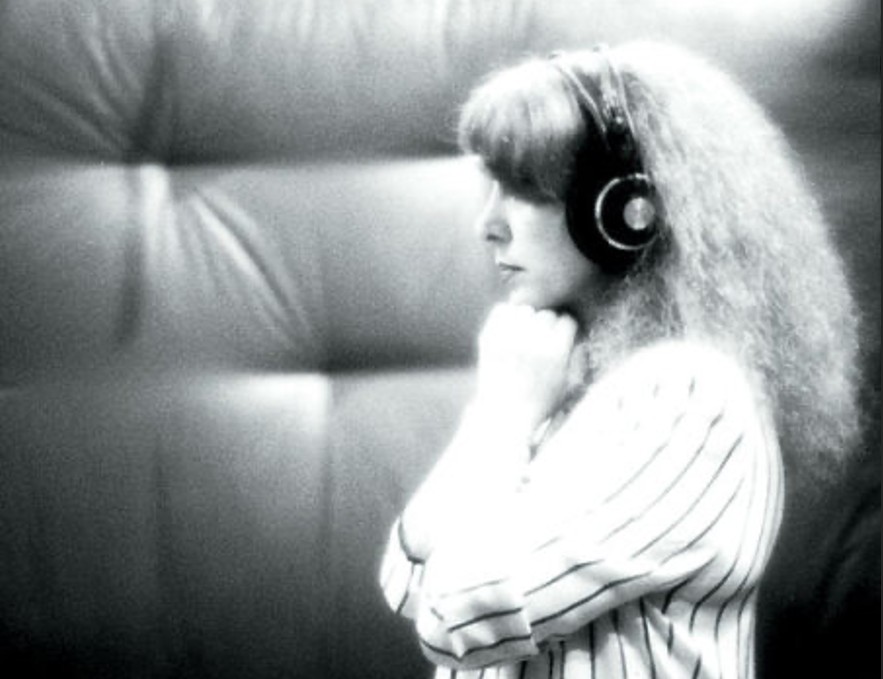
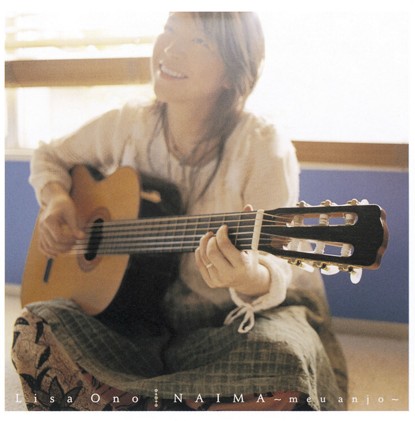
The song begins. The guitar strings are gently plucked. In its rhythm, an unexpected voice starts to sing a familiar Lebanese melody — Sabah Wu Massa, the beloved classic by Fairuz. But this time, it’s in the voice of Lisa Ono, a Japanese-Brazilian artist who has spent her life blending cultures through music. With soft guitar strums and a delicate rhythm, her rendition, sung entirely in Arabic, offers a fresh and respectful take on a timeless song, paying tribute to one of the Arab world’s most beloved singers.
Ono is no stranger to cultural synthesis. Born in São Paulo, Brazil, to Japanese parents, she moved to Tokyo at the age of ten. Surrounded by Brazil’s rich musical traditions, especially bossa nova, she would go on to make this genre the hallmark of her career. Over the years, Ono has performed with many renowned musicians such as Antônio Carlos Jobim and João Donato, further solidifying her place in the global music scene. She now has over one and a half million monthly listeners on Spotify, and is known for her international discography where she has reimagined classics from France, Italy, the U.S., and the Arab world.
Fairuz’s Resonance in Japan
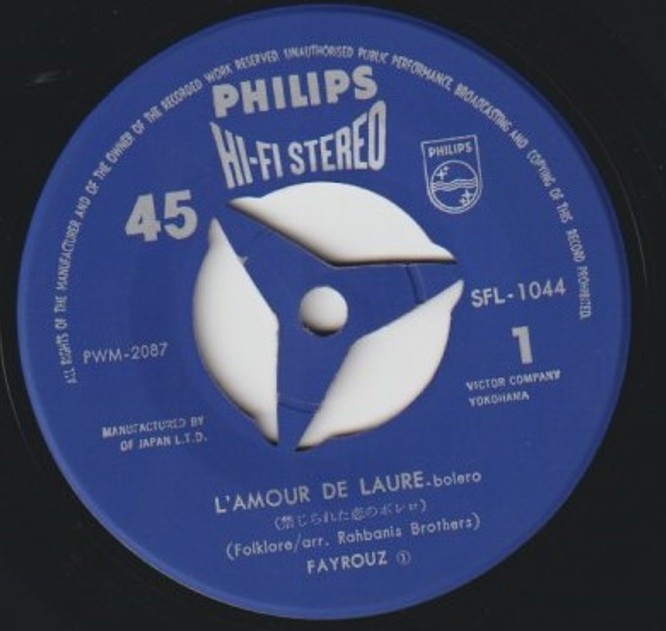
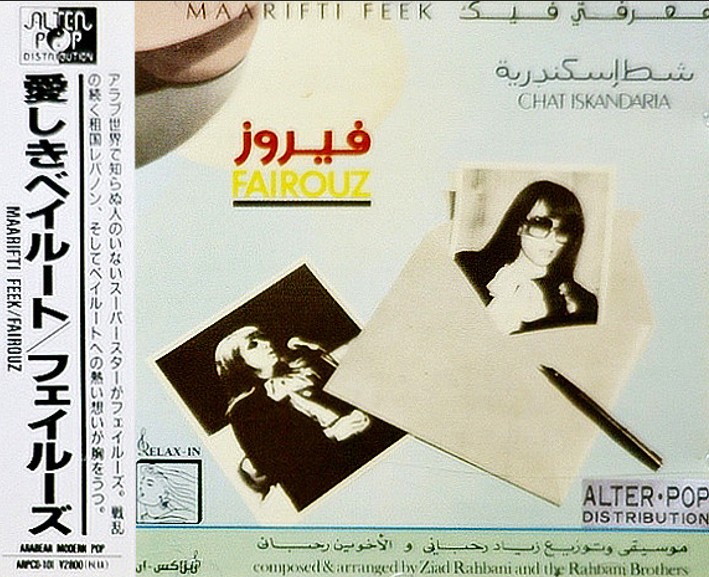
In recent decades, Japan has developed a growing appreciation for Fairuz. As early as the 1960s, several of her singles were released there periodically. But in the 1980s, Maarifti Feek became the first of her albums to be sold in Japanese music stores. The label then included Shat Iskandaria as a bonus track, releasing it under the combined title Maarifti Feek / Shat Iskandaria. The album attracted quiet attention, drawn not only by Fairuz’s ethereal voice but also by the experimental jazzy sounds of Ziad Rahbani’s compositions, which stood apart from the mainstream Arabic music of the time. Today, many jazz bars in Japan feature local singers specializing in covering Fairuz’s songs.
A Personal Connection to Fairuz
Sabah Wu Massa was originally released as the first track on Fairuz’s 2002 album, …Wala Kif. In Ono’s 2004 interpretation, she does not attempt to replicate Fairuz’s inimitable voice; instead, she brings her own interpretation, shaped by restraint and serenity. After reaching out to her via email, she kindly shared her personal reflections on the song and her approach to it:
“In my interpretation, the song becomes a dialogue between vulnerability and strength — my feminine voice that smiles through her tears, revealing the charming side of love’s pain.
It speaks to everyone who has ever loved deeply, lost, and still believed in beauty.
When I began working on my Arabian-inspired album, I received valuable advice from someone deeply knowledgeable about Arabic music.
He recommended that I listen to Fairuz — and once I did, I was deeply moved by the beauty and sensitivity of her interpretations.
Her voice carries both the soul and poetry of the Arab world. From that moment, I decided to focus on her music as the heart of my project.
I also had a language teacher who taught me how to pronounce Arabic words correctly, and through those lessons, I learned how to shape the sounds and express their true feeling.
I have a deep respect for the songs of every culture. My intention is to express the true emotions that live within each significant song from around the world. Each melody carries the feelings and stories of the people who created it, and as a foreign singer, I have tried to honor and preserve those emotions — giving them new life while keeping their original spirit alive.”
A Global Tribute
What makes this moment unique is not just the musical fusion, but the cultural respect embedded within it. Ono does not exoticize or reinterpret the song for novelty’s sake. Instead, she treats it with the same tenderness and reverence she brings to Brazilian and international standards. In doing so, she opens a door — not only for Japanese and Brazilian audiences to discover Arab music, but for Lebanese and Arab listeners to see their cultural treasures honored on a global stage.
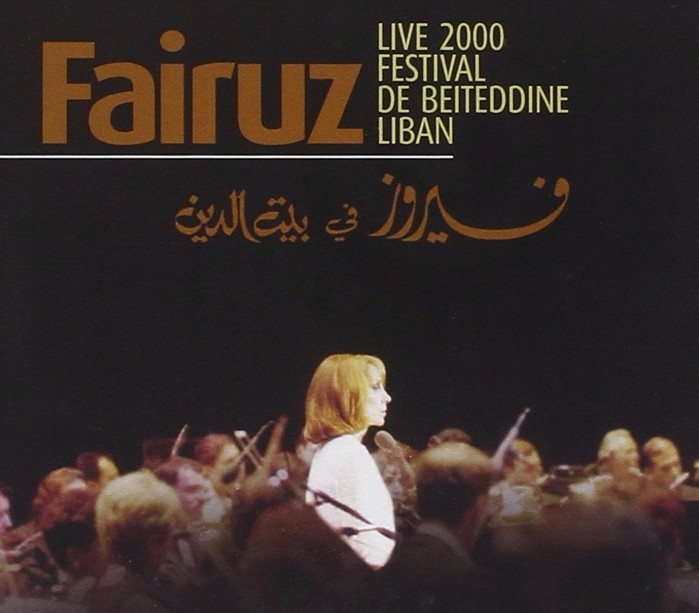
A Lebanese song, sung in Arabic, by a Japanese-Brazilian artist in Tokyo. Lisa Ono’s decision to interpret Sabah Wu Massa is a testament to Fairuz’s enduring global resonance, and shows how music can transcend boundaries and create connections across different cultures.
Ralph Hage is a Lebanese American architect who divides his time between Lebanon and the United States.
Want more articles like this? Sign up for our e-newsletter!
Check out our blog here!