Subscribe
to receive news by email
Poll
Will the Trump Administration Shift U.S. Policy in Favor of Palestine?
- No (87%)
- Yes (13%)
 Loading ...
Copyright © 2026 Arab America
Go top"You Find Each Other": 40 Minutes with William Safi
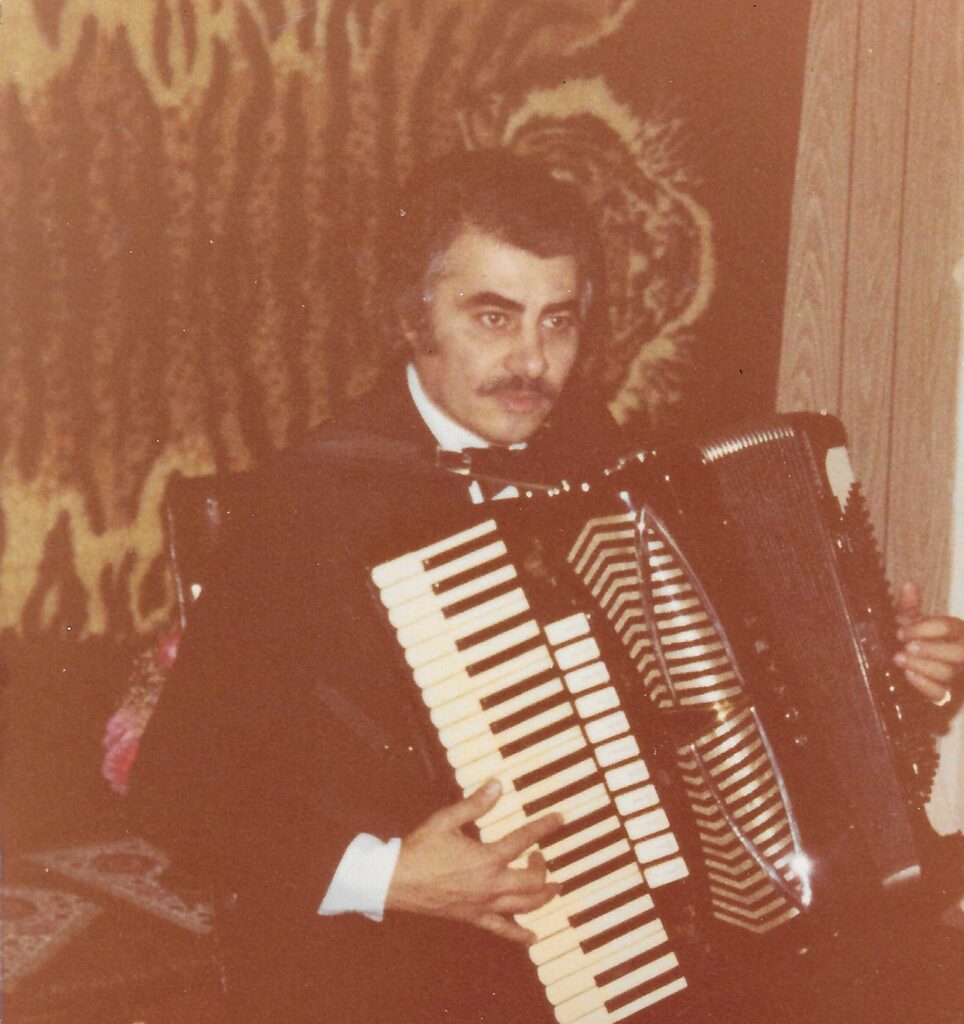
By: Layan Srour / Arab America Contributing Writer
Translated by Layan Srour
How did you first get into music?
When I was around ten years old, my brother brought home an accordion. I guess he gave up on that hobby, so I started playing it, and I fell in love with it. I learned everything by ear. As I grew up, my friends would take me on trips to different parts of Lebanon to play music with them. We would walk the streets singing and playing music.
At the age of fifteen, I met someone who sold and repaired pianos. I spent hours playing his pianos. I didn’t read music, but I had a strong musical ear, so I started taking lessons from a Russian piano teacher for a few years. Before I knew it, I started getting booked for shows. At the time, we mostly played Western music. When I started playing at Zaytouna (now Zaytouna Bay), I met Elias Rahbani and Wadih El Safi. We were all playing in this new era of music.
What was your first band or project that you were a part of?
At the age of seventeen, I started playing with a trio in Achrafieh—Habib Ghibril, Elie Bassil, and Tony Youness. After a few years of performing, I wanted to form my own band. I started playing keys with Samir Sayraween (drums) and Nabil Ghazwei (guitar), and we called ourselves The Souls. We played at many cafes and hotels in Lebanon, as well as the earliest Miss Lebanon pageants in 1967 and 1968.
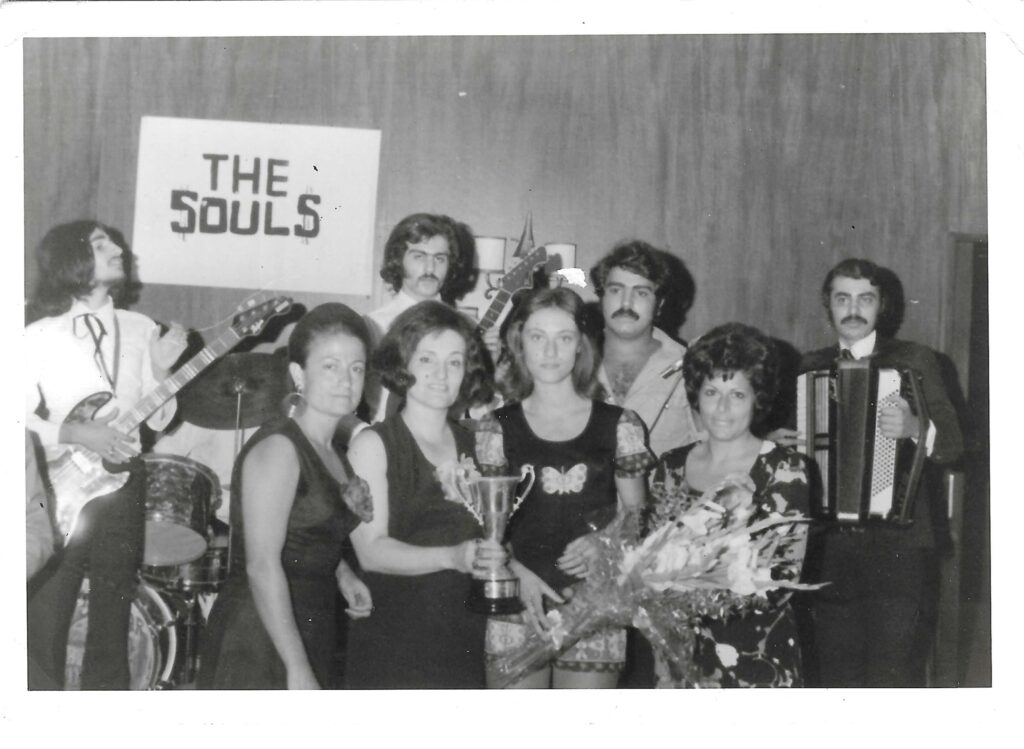
When the war in Lebanon began in the 1970s, we were performing at the Phoenicia Hotel in Beirut. We were forced to leave everything behind because of threats of attacks.
My whole family left the country except for me. Even when I wanted to leave, there were no planes available. A friend of mine in Jounieh owned a travel agency. I managed to get my visa and fled by boat to Cyprus, then flew to Brooklyn.
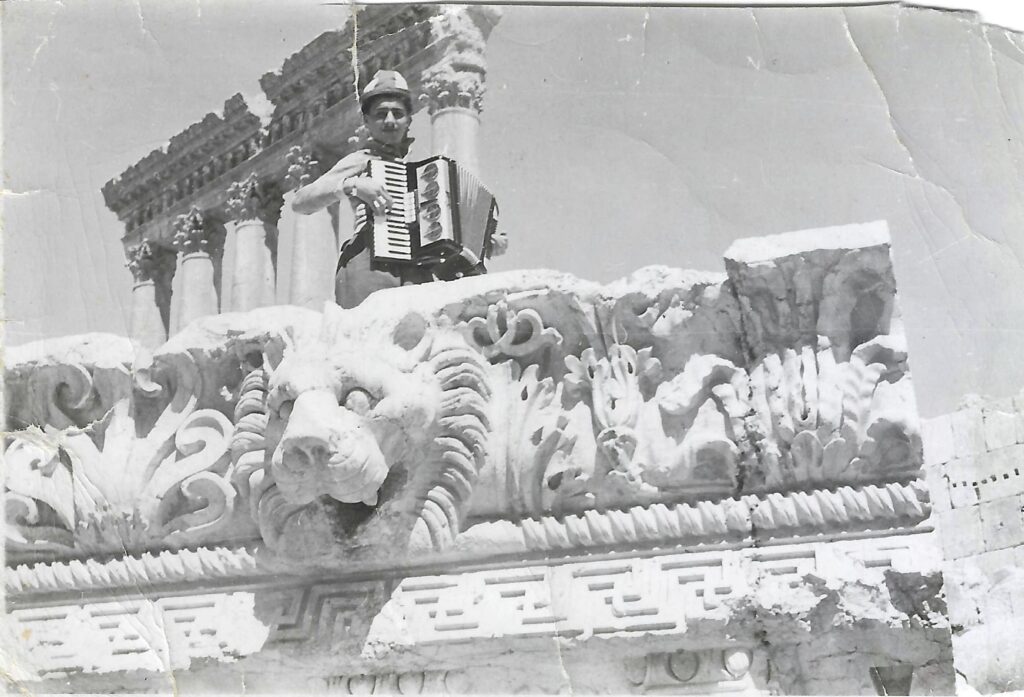
How did you bring your music to New York?
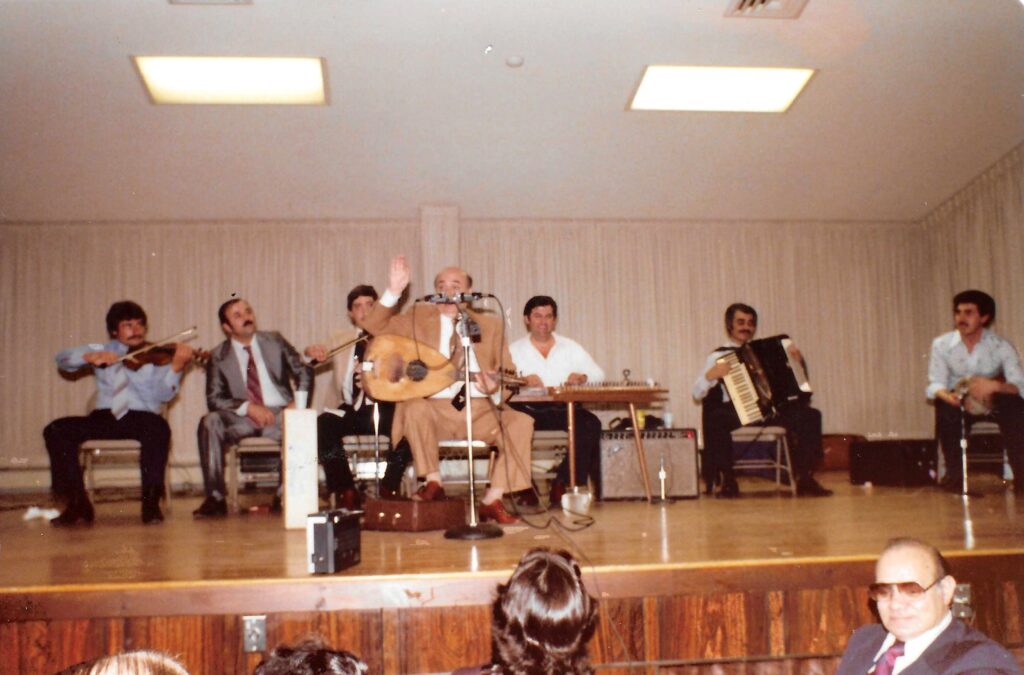
When I moved to Bay Ridge, I continued my musical journey. I started playing salsa music with a band at clubs and restaurants. Things took a different direction when I met and began performing with Eddie “The Sheikh” Kochak, one of the biggest legends of Arab music in New York.
Through Eddie, I met several famous violin and oud players, and we started performing every week at a Middle Eastern club called Ibis. Samir El Tawil joined us and brought even more musicians. After Ibis, I began playing at another Lebanese restaurant, Cedars, with Tony Frangieh and Carlos Fakhoury. That’s also where I had the chance to jam with musicians from Fairuz’s ensemble: Setrak Sarkissian, Joseph Karkour, and Michel Mirhej Baklouk.
Tell us about your performance with Sabah!
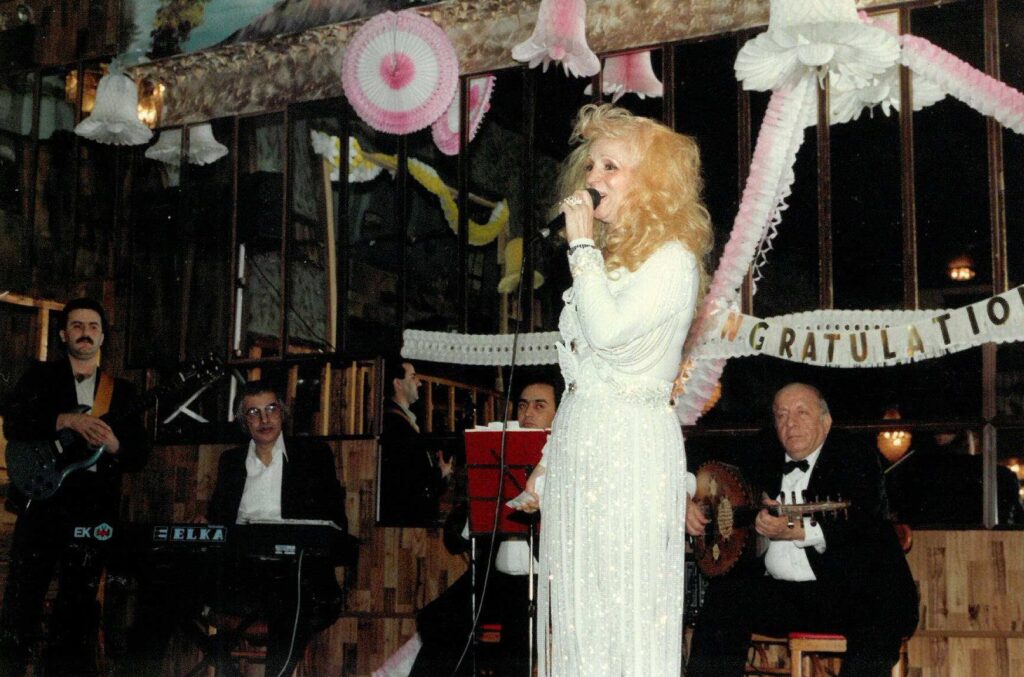
I always wanted to improve my musicianship and playing. I wanted to put on a big show with Sabah, so I booked a flight to Lebanon. Elie Choueiri, at the time, was working with her in Jounieh and introduced me to her. She became a good friend and I organized 3 performances for her. And yes, it is true what they say about Sabah—she is very kind-hearted.
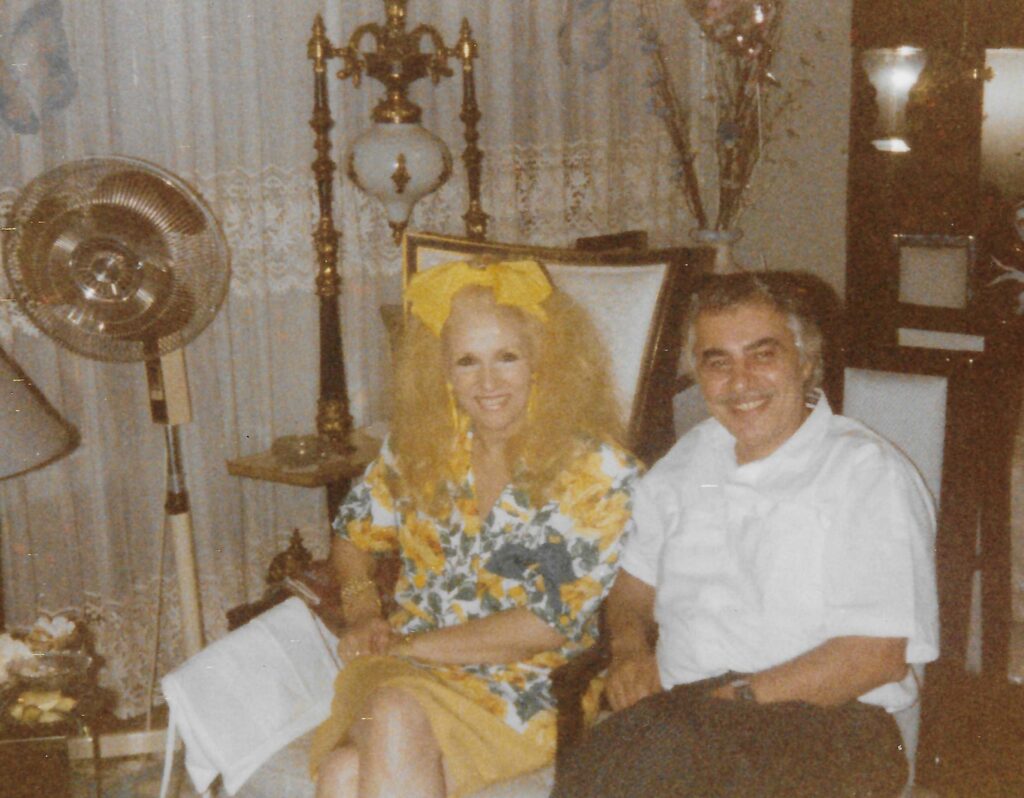
We brought Sabah, Elie Choueiri, Fadi Libnan, and Antoine Chaak to New York. I performed with her at Caesar’s Palace in Atlantic City along with Elie Choueiri, Fadi Libnan, Tony Shaak, Ghaleb El Tawil, Jamal Shafic, George Bassile, and Simon Chahine. I used to invite all the musicians to my home for food and music. I still have every single photo and concert video in my home in Brooklyn. I ended up opening a restaurant in Brooklyn called Layali, where I brought artists like Nohad Tarabay, Elie Choueiri, Samira Tewfik, and even my good friend, Wadih El Safi.
Were your parents supportive of your career choice?
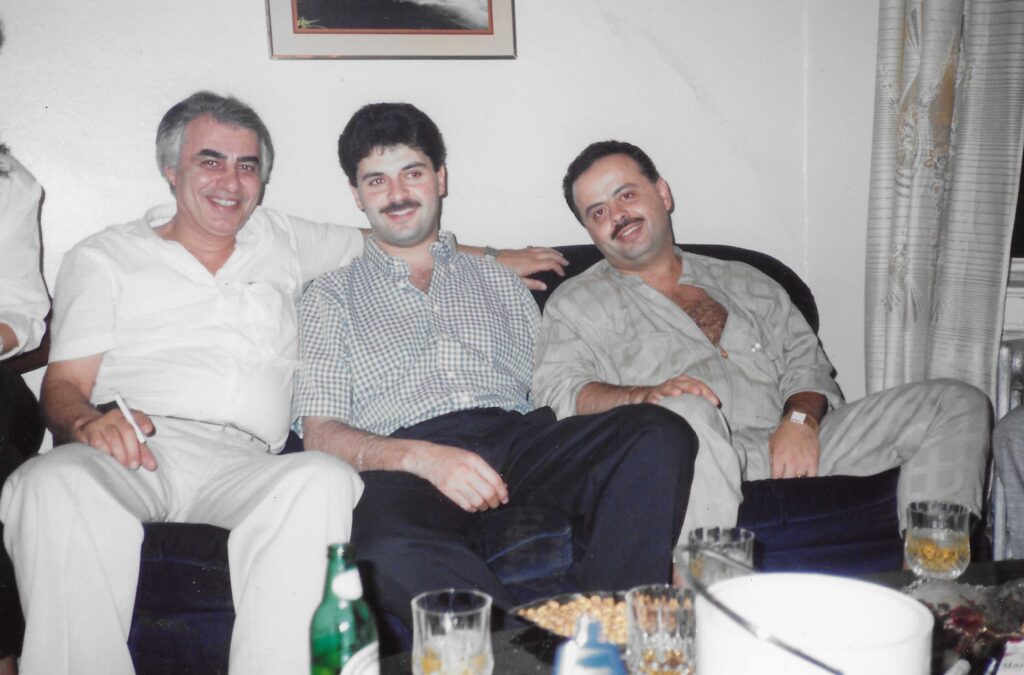
Of course they were. My mother and siblings always sat in the front row at my concerts. Even my mom used to invite the musicians to her home! I have home videos of my mom with Sabah and Wadih El Safi in her living room, singing and eating together.
How important is preserving music in our culture?
Extremely important. I used to play both Western and Arabic music. When I played quarter tones in Western music, people loved it. It is a reminder that sharing traditional music lets people experience a part of who we are.
About the Article and Author: Layan Srour, a Lebanese musician based in Detroit, Michigan, is passionate about blending her culture through music, research, and education in the United States. 40 Minutes With is a weekly feature where Layan interviews an Arab American musician, exploring their journey through music and culture in America. Connect with Layan on Instagram, Facebook, LinkedIn, or via email.
Want more articles like this? Sign up for our e-newsletter! Check out our blog here!