

Subscribe
to receive news by email

Poll
Will the Trump Administration Shift U.S. Policy in Favor of Palestine?
- No (87%)
- Yes (13%)
 Loading ...
Copyright © 2026 Arab America
Go topBefore Africa Had a Name, There Was Libya
By: Nourelhoda Alashlem / Contributing Writer
Many people do not know that the name “Libya” appears in some of the earliest geographic records in history. Long before the term “Africa” was widely used, ancient civilizations referred to the land west of the Nile as Libya, treating it as one of the main divisions of the known world. Early records from as far back as the 13th century BCE to the 5th century BCE show that Libya was not a marginal region but a central part of how geography and identity were understood at the time.
However, the early depictions of the maps and texts did not create Libya. The documented region name “Libya” already existed in the ancient tribe and language of its people, the Libu.
Across Egyptian inscriptions, Greek geographic thought, and later Roman classifications, Libya is consistently treated as an officially defined region. These sources show a clear trajectory: from early identification by indigenous populations to its role as one of the world’s three parts to its later redefinition as the continent we know today, Africa.
Libya Before Maps: The Libu and Early Identity
The earliest references to Libya itself come from ancient Egypt. As early as the 8th century BCE, Egyptian records mention groups called the Libu and the Meshwesh, who lived west of the Nile. The Libu, written in hieroglyphs as rbw, are among the first recorded populations connected to the name Libya, with inscriptions appearing during the reign of Ramesses II (1279–1213 BCE) and later in the records of Merneptah, the 13th son of Ramesses II, around 1208 BCE.
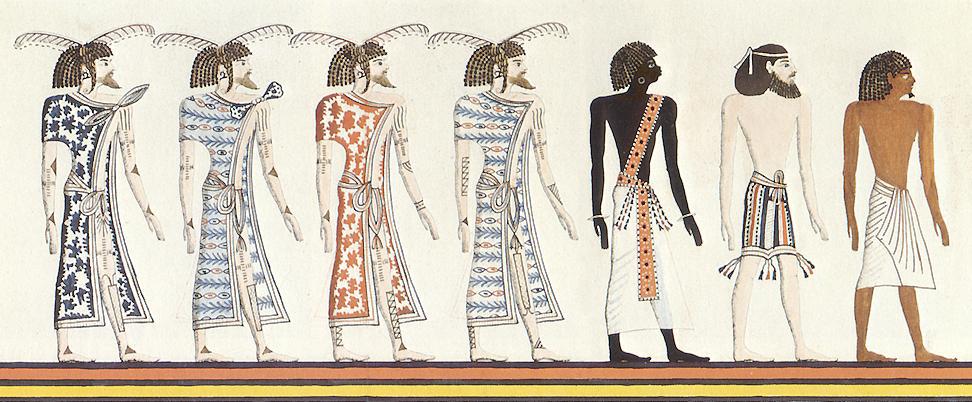
Egyptian reliefs describe the Libu with specific physical and cultural traits, including braided hair, tattoos, and distinct clothing, visually separating them from Egyptians. This confirms that Libya was understood as a separate identity with its own people.
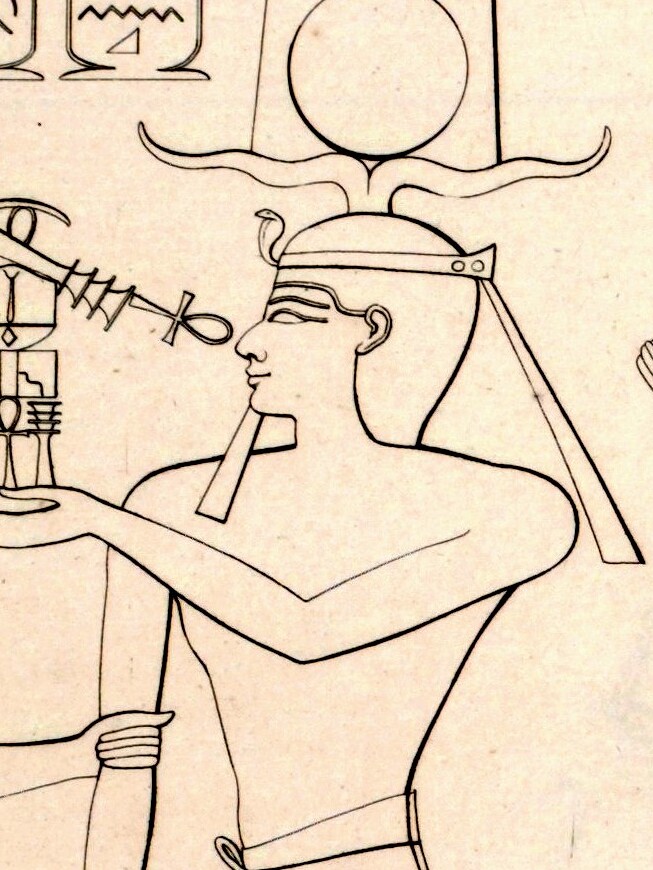
The Nile River functioned as a clear boundary, with Egypt to the east and Libya to the west, a division that appears consistently across early sources. Conflicts like the Libu-led invasion under Meryey in 1208 BCE and later encounters under Ramesses III show that Libya was not only known but also quite active in the political and war realms.
Over time, Libyan groups took over and integrated into the Egyptian empire’s power structures. By the 10th century BCE, Shoshenq I, a ruler of Meshwesh origin, founded the 22nd Dynasty around 943 BCE and became pharaoh, marking one of the earliest moments where Libyan leadership fully entered Egyptian rule.
By the 9th and 8th centuries BCE, rulers of Libyan origin continued to hold authority in Egypt, especially from the Meshwesh lineage, with figures like Tefnakht rising from “Great Chief of the West” to pharaonic status around 732 BCE. These groups are part of what is now recognized as Amazigh identity, which has existed across North Africa for thousands of years.
Libya as One of the Three Parts of the World
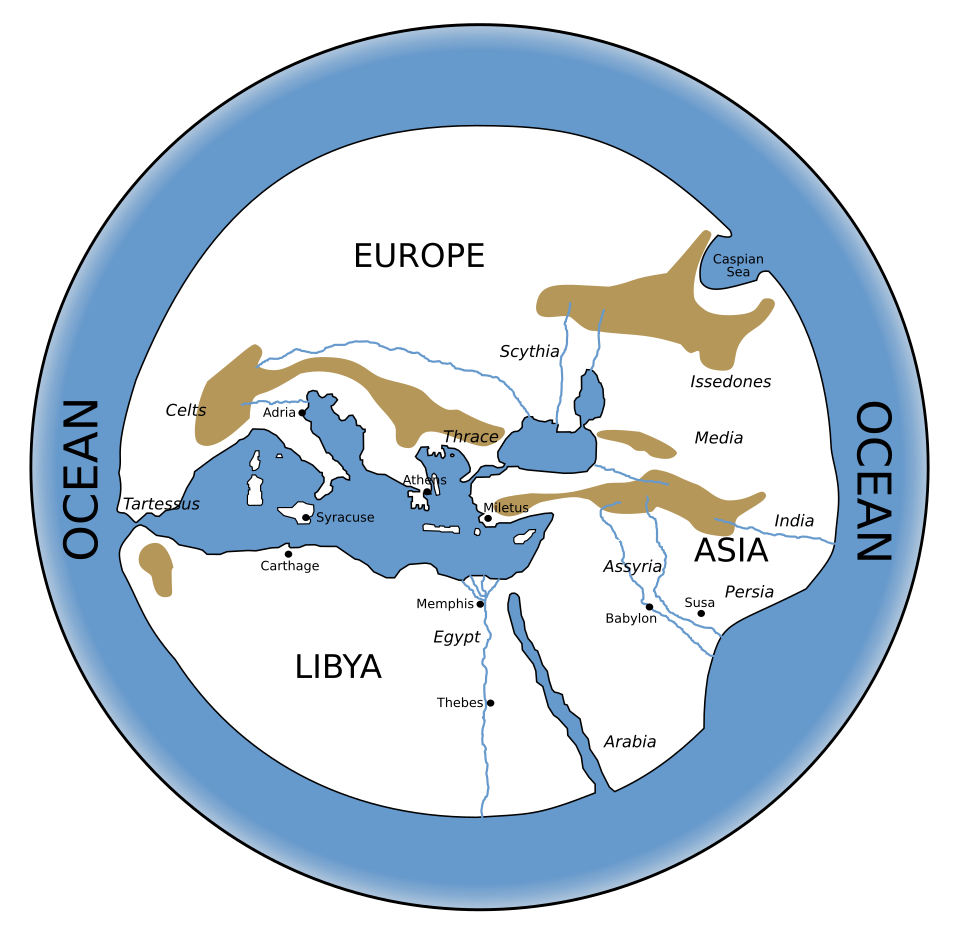
By the 6th century BCE, Greek thinkers began organizing the world into clearer systems. Anaximander of Miletus created one of the earliest known maps of the inhabited world. He divided it into three regions: Europe, Asia, and Libya. This moment matters because it places Libya at the same level as Europe and Asia. People did not treat it as a minor region. They treated it as one of the main parts of the world.
Hecataeus built on this system in his work “Periodos ges.” He described Europe, Asia, and Libya in detail and explained the lands and routes within each region. In his framework, Libya included all land west of the Nile, covering most of North Africa. This definition kept Libya large and central in geographic thinking.
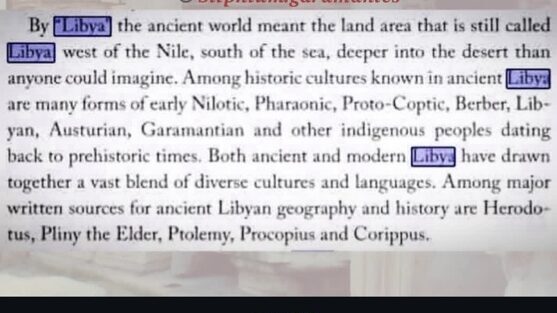
Herodotus, writing in the 5th century BCE, also described Libya as the entire west of Egypt and treated it as one of the three continents. He identified the people there as “nomadic groups,” settled populations, and specific tribes such as the “Garamantes” and “Nasamones.” These details go on to show that civilizations understood Libya as both a geographic and a populated region.
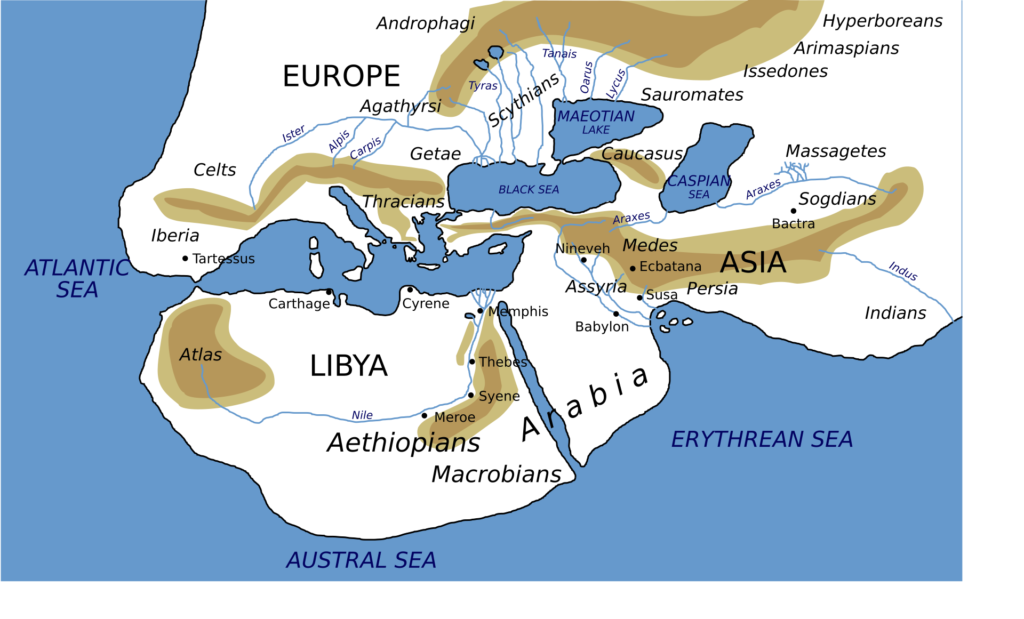
Greek writers used the term “Libya” broadly. They applied it to most of North Africa, not just a small territory. For centuries, people used “Libya” as the main name for the continent before the term “Africa” replaced it. At this time of history, Libya shaped how people understood the world itself.
From Libya to “Africa”
The meaning of Libya changed during the Roman period. Romans introduced the term “Africa” as the name of a specific province, Africa Proconsularis, located in present-day Tunisia, Algeria, and Libya. Over time, they expanded this name beyond the province and applied it to the entire continent.
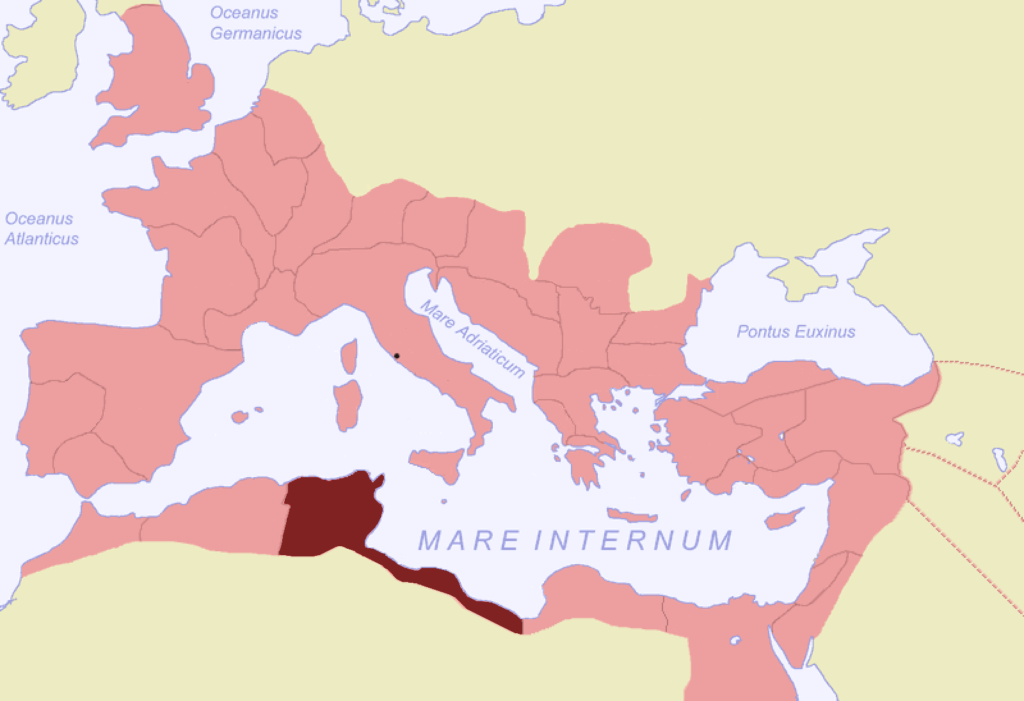
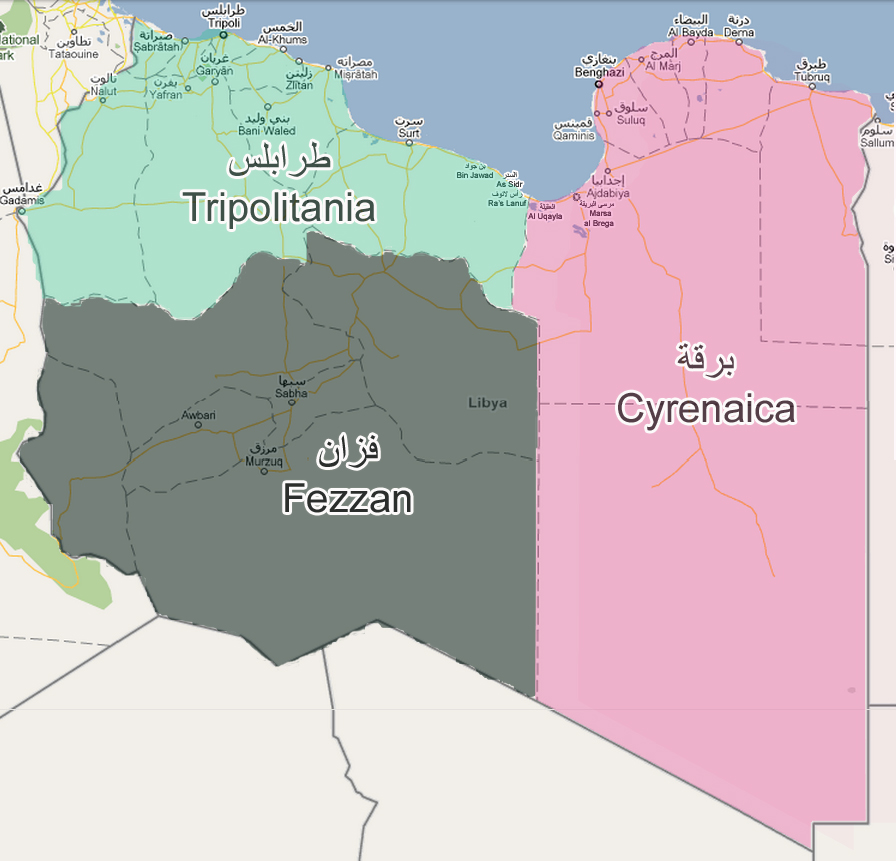
As Romans expanded their system, they divided the region into smaller administrative areas such as Numidia, Mauretania, and Africa Proconsularis. This method reduced the broader meaning of Libya. Yet, civilianizations continued to still use the name, but they applied it to smaller areas, including Tripolitania, Cyrenaica, and Fezzan.
This shift did not change the land or its people. But it did the way the world organized the region. Africa replaced “Libya” in official use, and over time, the older meaning of Libya faded. What once described Africa became the name of a single country today.
This change shows us how power shapes and changes geography. Names do not stay the same. People redefine them over time.
Yet, Libya today is proof that it did not disappear. The meaning narrowed while the name “Africa” expanded.
Want more articles like this? Sign up for our e-newsletter!
Check out our blog here!





.jpg)

