

Subscribe
to receive news by email

Poll
Will the Trump Administration Shift U.S. Policy in Favor of Palestine?
- No (87%)
- Yes (13%)
 Loading ...
Copyright © 2026 Arab America
Go topExploring the Rich Architectural Heritage of the Arab World
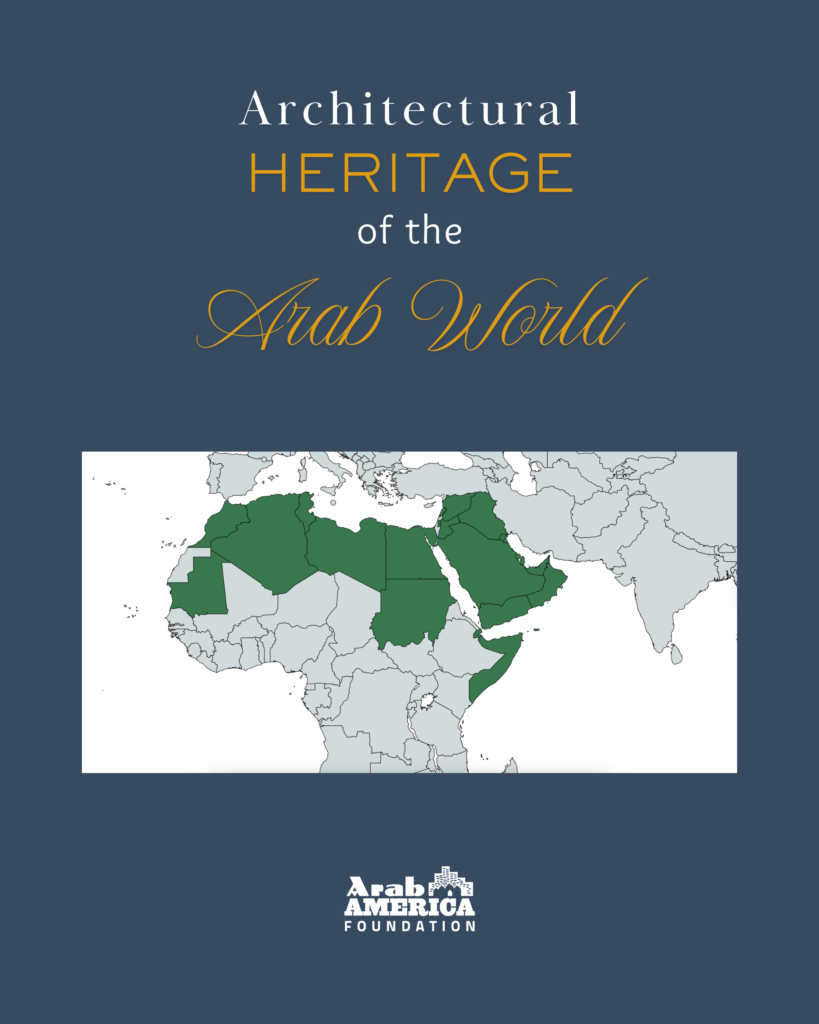
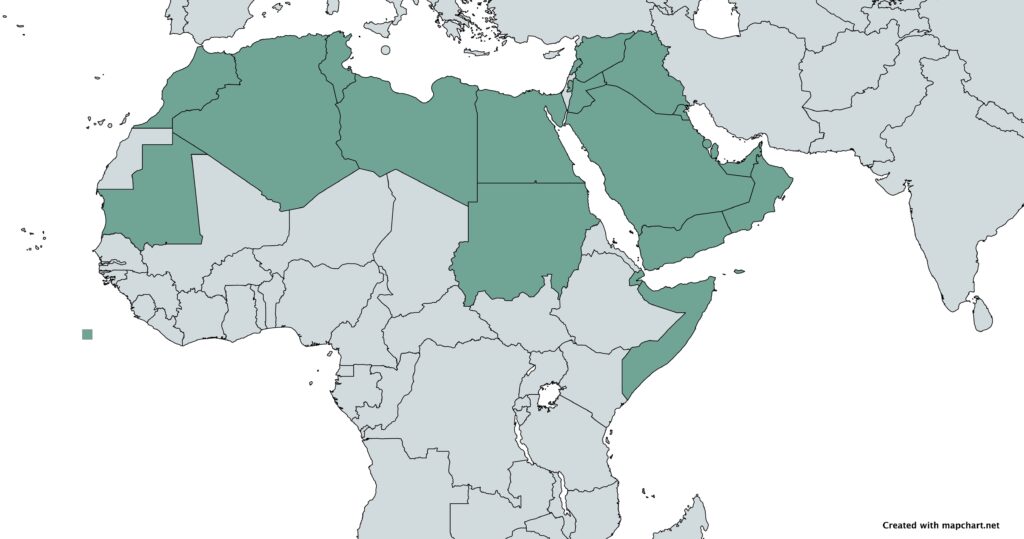
Traditional architecture offers a powerful lens into how societies have historically responded to their environments, resources, and cultural values. From the deserts of the Arabian Peninsula to the mountains of the Levant and the vast landscapes of North Africa and the Horn of Africa, each region developed distinct building styles rooted in necessity. These structures are not merely physical spaces; they represent centuries of knowledge, craftsmanship, and adaptation. They illustrate how communities have skillfully balanced climate, functionality, and tradition in their daily lives. This post compiles pieces written by Ralph Hage for Arab America in celebration of Arab American Heritage Month.

Arabian Peninsula:
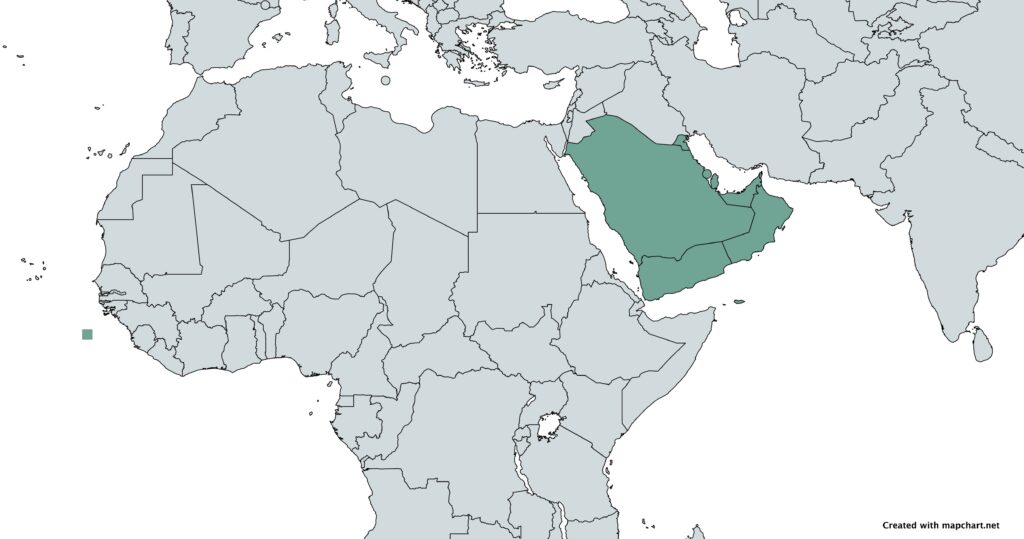
1. Bahrain
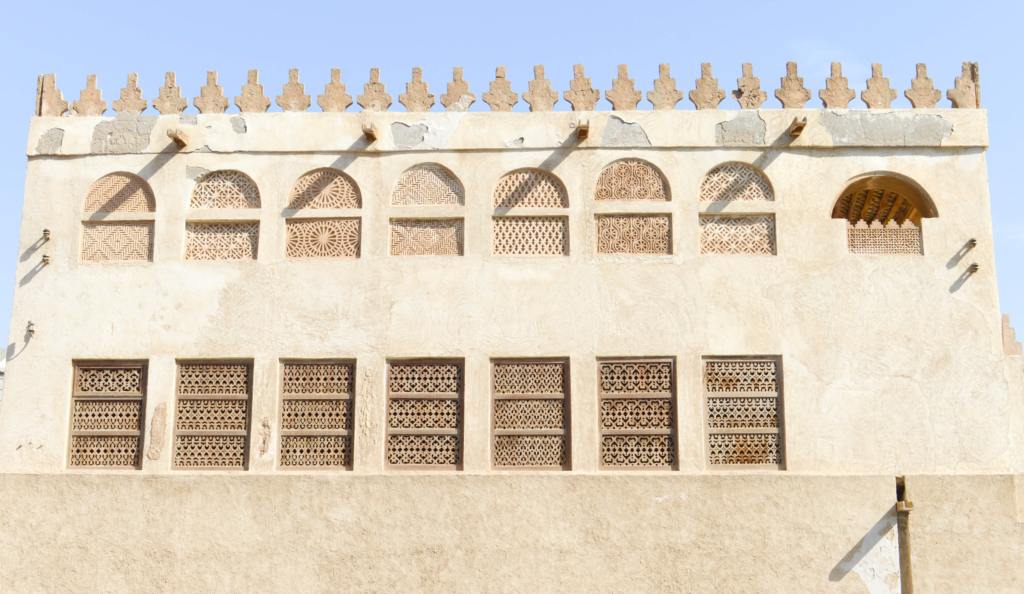
The traditional architecture of Bahrain is a captivating blend of cultural heritage, environmental adaptation, and skilled craftsmanship. Rooted in centuries of history, it reflects the island nation’s response to its arid climate, socio-economic conditions, and trade influences. From wind towers and thick coral stone walls to intricately carved wooden doors and shaded courtyards, Bahrain’s traditional buildings tell a story of a people deeply attuned to their environment and way of life.
2. Kuwait
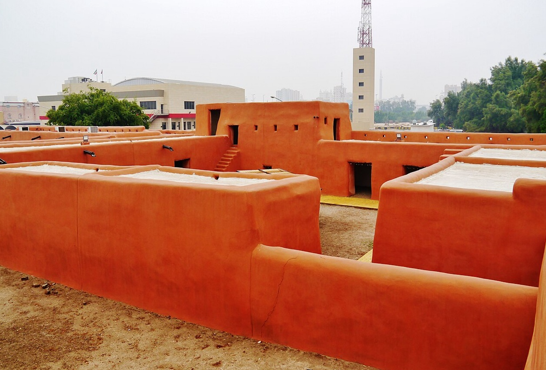
Kuwait, a country nestled at the head of the Persian Gulf, has experienced rapid modernization over the last century. Yet, beneath the glass towers and sprawling highways lies a deep architectural heritage. Traditional Kuwaiti architecture, once widespread across the old districts of Kuwait City, is an expression of the region’s adaptation to climate, available materials, and socio-cultural values. Although much of it has been lost to urban development, preserved examples and historical accounts continue to offer insight into the ingenuity of Kuwait’s past.
3. Oman
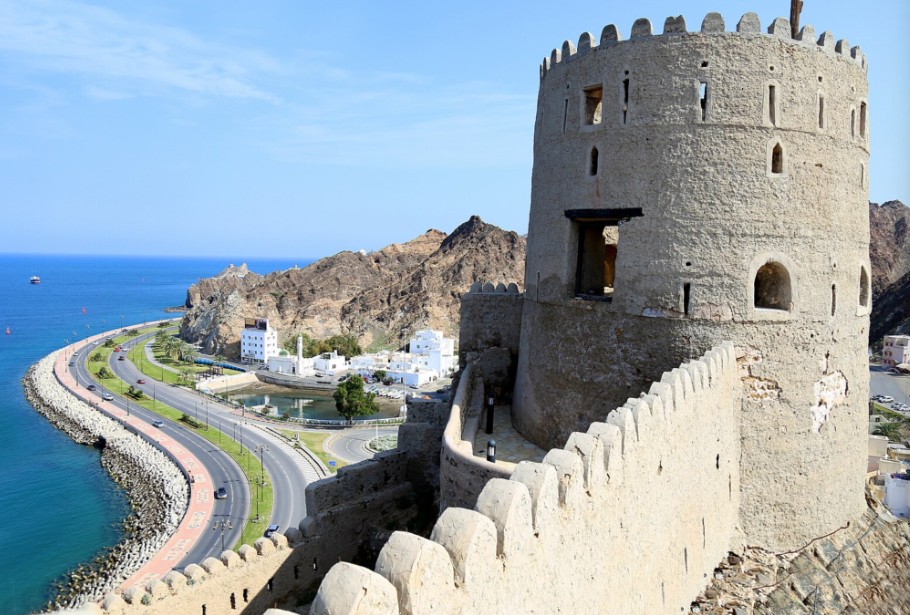
Oman, a nation tucked into the southeastern corner of the Arabian Peninsula, boasts a rich cultural and architectural heritage shaped by its geography, history, and climate. Traditional Omani architecture reflects the ingenuity of a people who, over centuries, adapted their built environment to suit harsh desert climates, mountainous terrain, and coastal conditions. The structures are not only functional but also aesthetically rooted in Islamic and regional influences, making Omani architecture a distinctive expression of identity, resilience, and sustainability.
4. Qatar
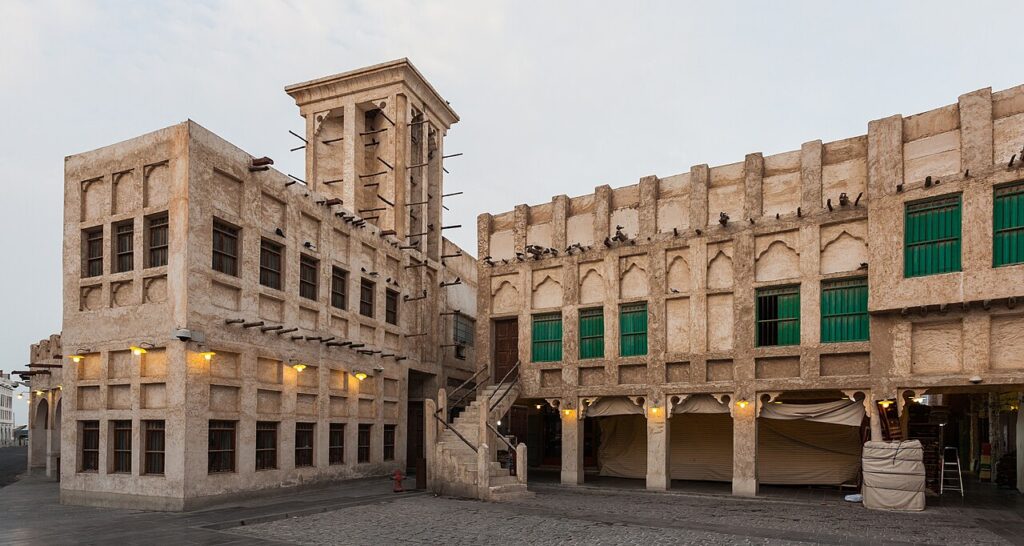
Before Qatar became known for its modern skylines of glass and steel, its people built with the materials they had, the climate they knew, and the culture they lived. Traditional Qatari architecture tells a story – not just about buildings, but about how people lived, worked, and stayed cool long before air conditioning arrived.
5. Saudi Arabia
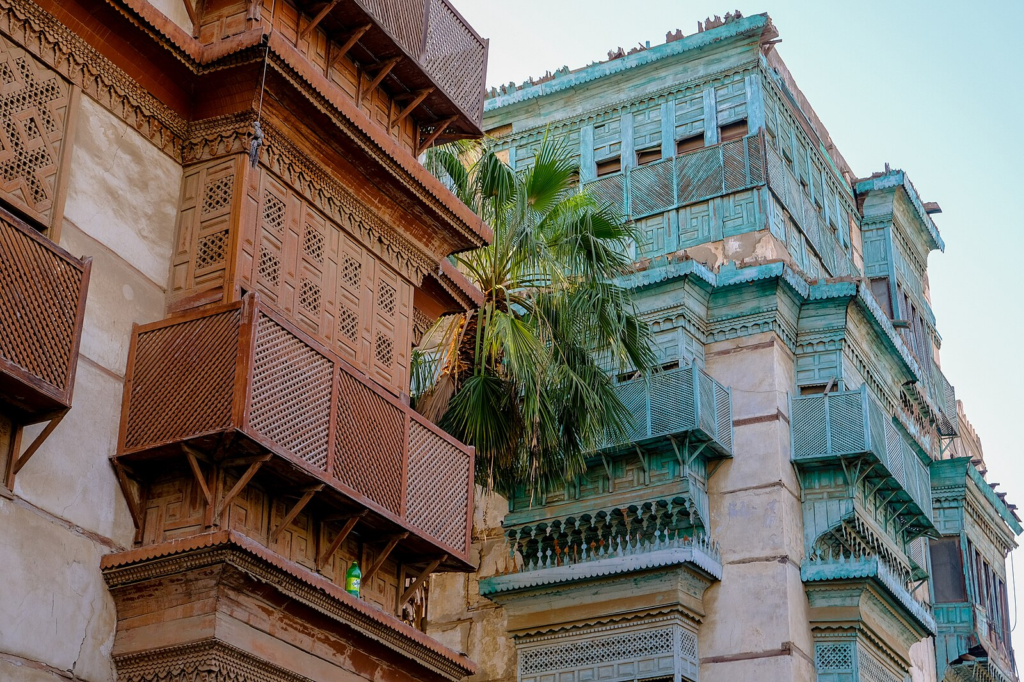
Saudi Arabia, a land defined by vast deserts and coastal plains, is home to some of the most practical architectural styles in the world. Traditional Saudi architecture, particularly in regions like Najd and the Hijaz, has evolved over centuries to withstand the harsh desert climate while reflecting the region’s cultural and social values. This architecture is not only a testament to the resourcefulness of its builders but also to their deep understanding of their environment. Buildings were designed with durability, comfort, and functionality in mind, incorporating a range of local materials and construction techniques suited to the extreme climate.
6. United Arab Emirates
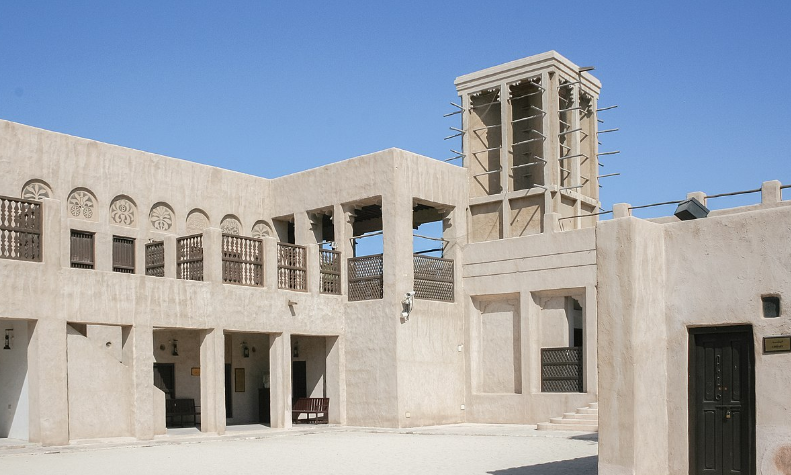
The United Arab Emirates (UAE) is internationally recognized for its gleaming modern skyscrapers, extravagant shopping malls, and luxurious hotels. Yet, beneath this contemporary veneer lies a rich architectural tradition that reflects the region’s ingenuity, resourcefulness, and cultural heritage. The traditional architecture of the UAE is a fascinating blend of historical influences, local materials, and environmental adaptation. By exploring the elements of Emirati design and its evolution, we can gain a deeper appreciation for the country’s architectural legacy.
7. Yemen
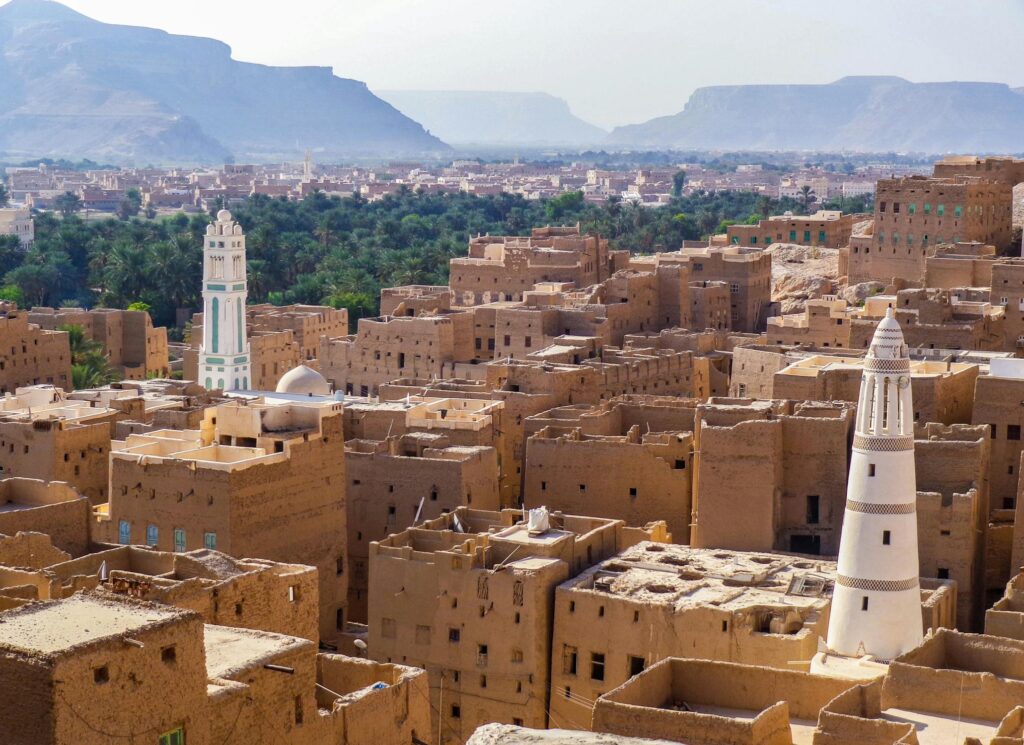
Yemen’s architectural heritage is remarkably rich and diverse, shaped by its climate, history, geography, and culture. These influences have given rise to a uniquely distinctive building style. Blending pre-Islamic, Islamic, and local traditions, Yemeni architecture showcases centuries of history, craftsmanship, and cultural identity.
Horn of Africa:
8. Comoros
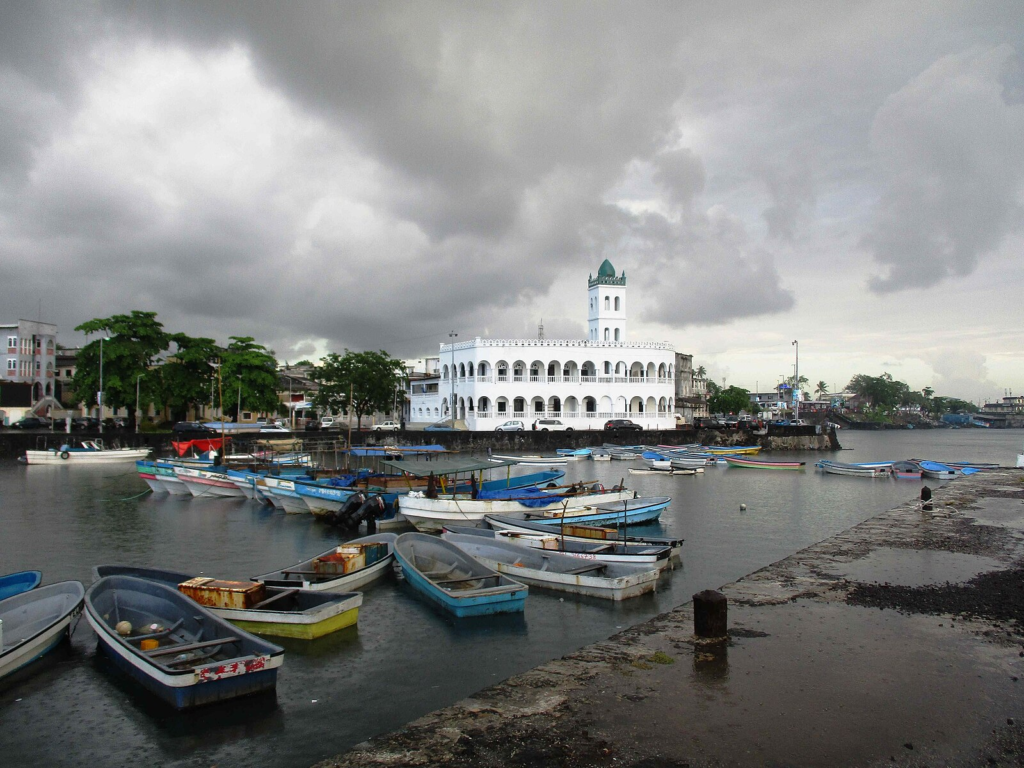
The Comoros Islands, nestled in the Indian Ocean between Madagascar and Mozambique, boast a rich and diverse cultural heritage shaped by centuries of Islamic, African, and Swahili influences. The traditional architecture of the Comoros is an eloquent reflection of this cultural amalgamation, showcasing innovative building materials, distinctive designs, and a deep connection to local customs and religious practices.
9. Djibouti
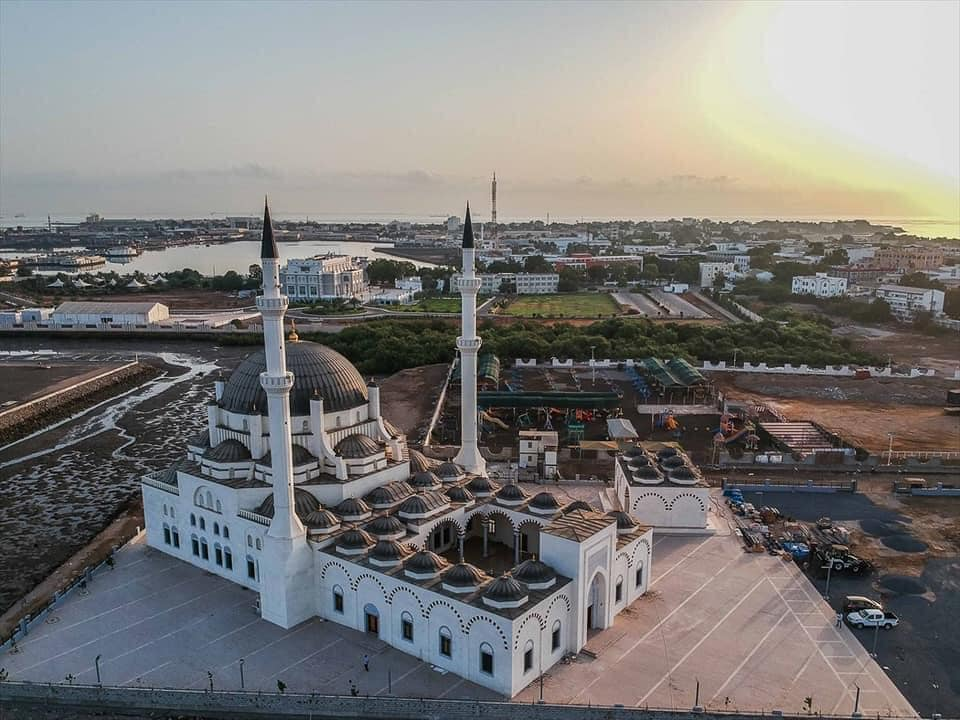
Djibouti’s traditional architecture reflects its nomadic heritage, shaped by two dominant ethnic groups: the Afar, mainly in the north, and the Somali (specifically the Issa) in the south, with some overlap in central areas, such as Djibouti City. Both communities historically lived as pastoral nomads, requiring mobile, lightweight shelters adaptable to their migratory lifestyle.
10. Somalia

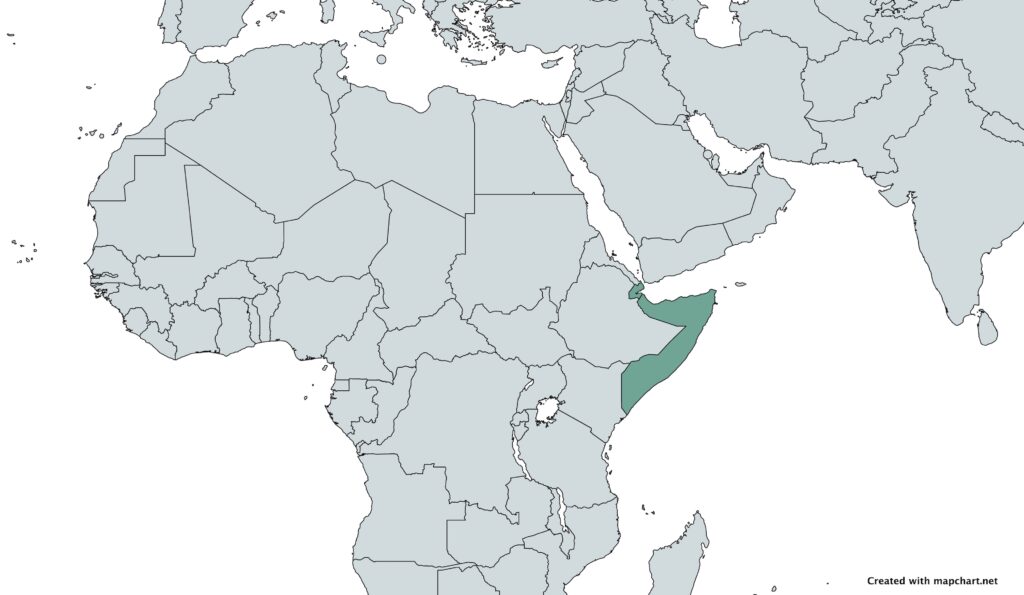
Somali architecture is a diverse and vibrant blend of ancient customs, Islamic influences, and contemporary designs. From prehistoric burial monuments to modern-day skyscrapers, the architectural landscape of Somalia illustrates its complex historical trajectory and cultural exchanges.
Levant & Iraq:
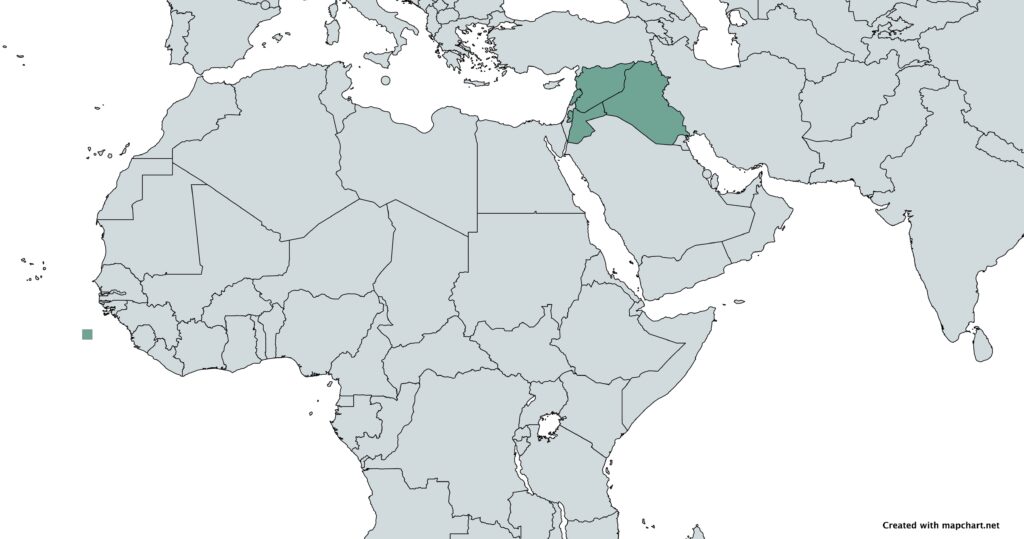
11. Iraq
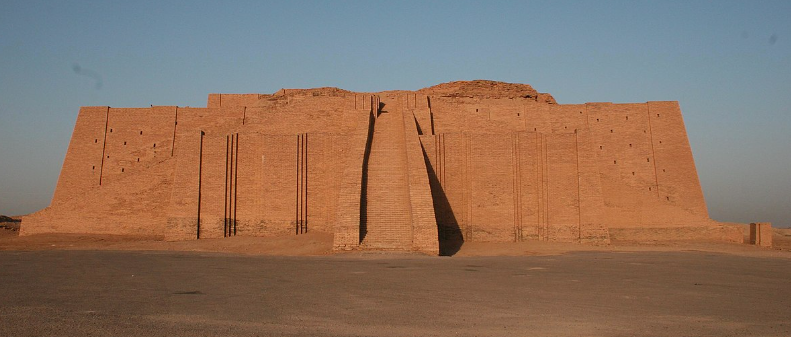
The traditional architecture of Iraq spans millennia, shaped by diverse civilizations and unique environmental needs. From the ancient ziggurats of Sumer to the brickwork of Abbasid mosques and the inward-facing homes of Mosul and Basra, Iraqi architecture reflects a continuous dialogue between heritage, function, and identity.
12. Jordan
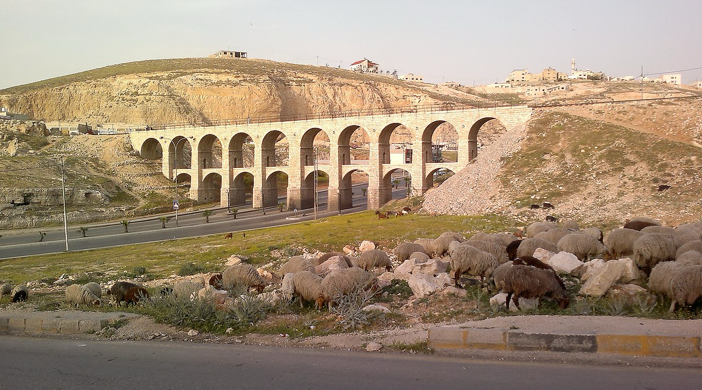
Jordan, a nation steeped in millennia of history and cultural exchanges, possesses a rich architectural heritage shaped by its geography, climate, and diverse social history. From the rock-carved city of Petra to the humble stone villages of the highlands, Jordan’s traditional architecture reveals a deep understanding of the environment, the needs of its people, and the aesthetics of its time.
13. Lebanon
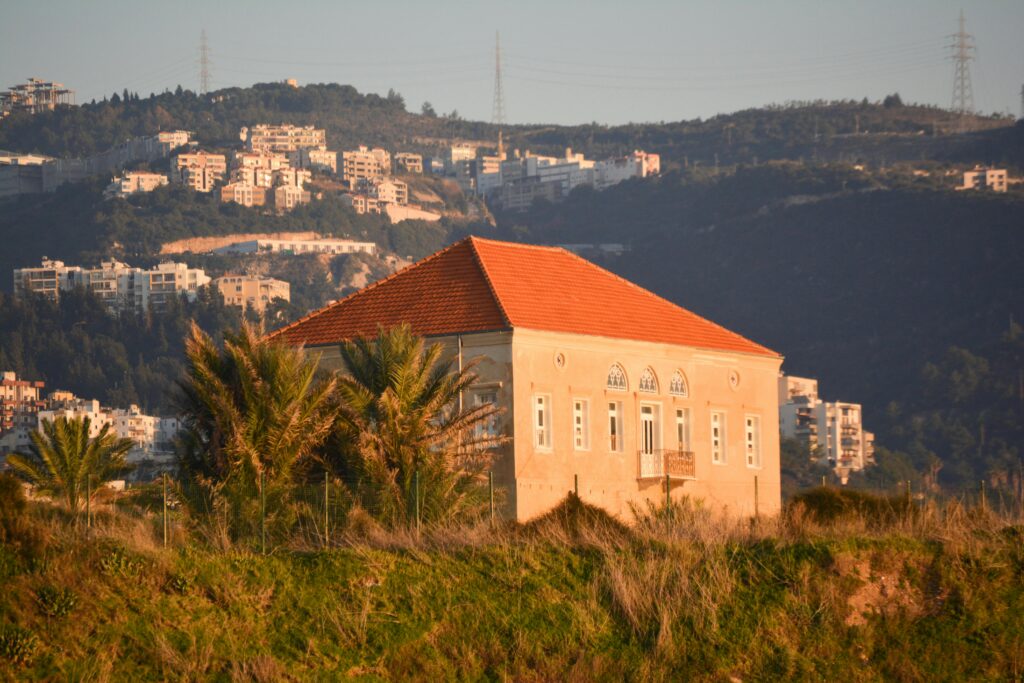
Upon entering a traditional Lebanese house, one steps into a world of sunshine and light, where subtle and vivid colors blend harmoniously. These homes embody simplicity of form and elegance of proportion, reflecting a way of life where communities live in harmony with their surroundings. The rugged Lebanese mountain terrain provided security, while its inhabitants cultivated the land by sculpting it into stepped terraces with care and reverence. Inspired by the beauty of their landscape, they crafted a unique architecture from its stones and timbers—both simple and refined.
14. Palestine
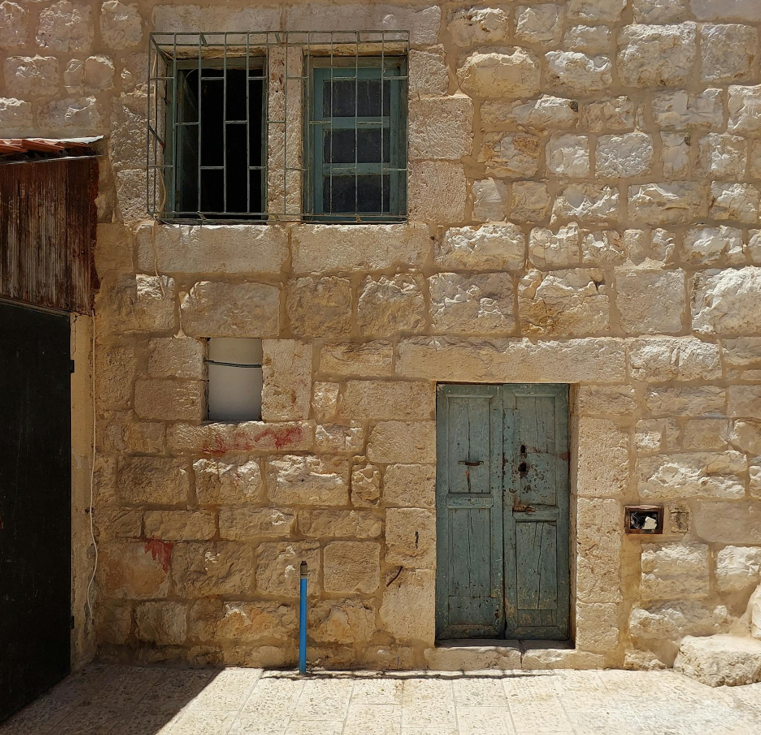
The traditional architecture of Palestine reflects centuries of cultural layering, adaptation, and resilience. From the rugged hilltop villages of the West Bank to the densely built quarters of ancient cities, Palestinian architecture has evolved into a distinctive tradition shaped by geography, climate, and the complex history of the region. This built heritage not only embodies aesthetic qualities but also reveals how families lived, how communities interacted, and how cultures blended over time. Despite political and social upheavals, these architectural traditions stand as tangible testaments to Palestinian identity and its ongoing continuity.
15. Syria
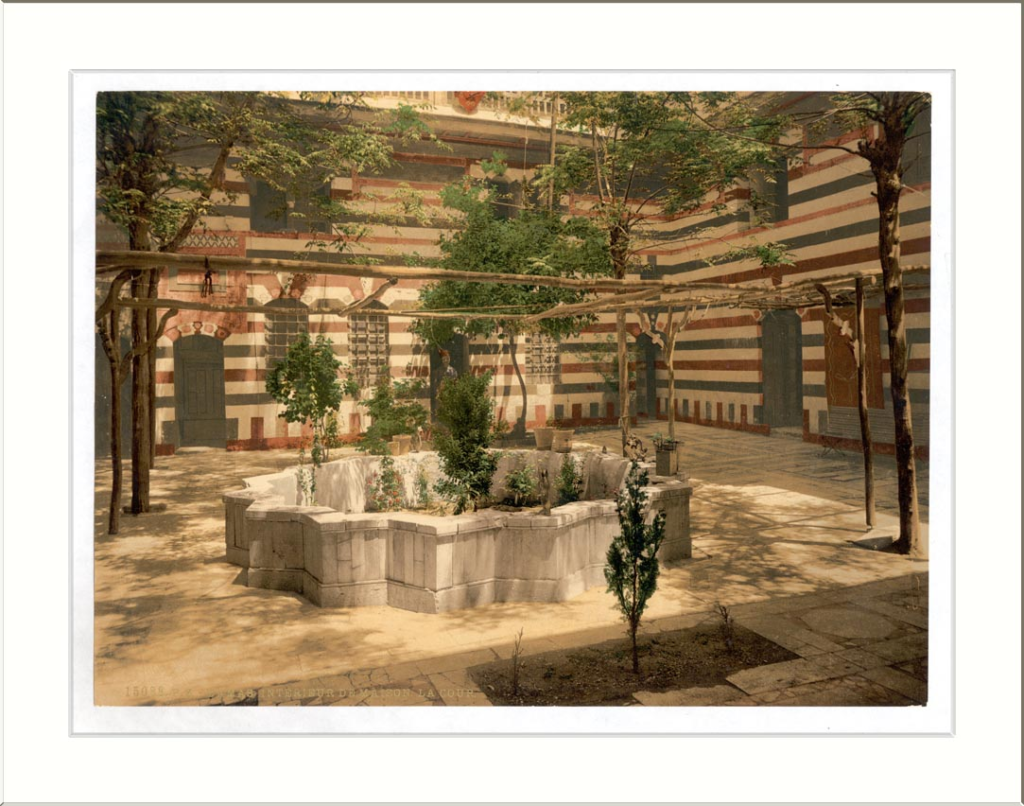
Syria’s traditional architecture stands as a rich testament to centuries of cultural continuity, regional adaptation, and environmental intelligence. The country’s strategic location at the crossroads of the Mediterranean, Arabian, and Mesopotamian worlds has fostered a diversity of architectural expressions. Traditional Syrian buildings are not merely functional; they are deeply embedded with cultural values, environmental adaptations, and aesthetic ideals. From the vibrant old city of Damascus to the serene homes of Aleppo, traditional architecture reflects Syria’s identity across space and time.
North Africa:
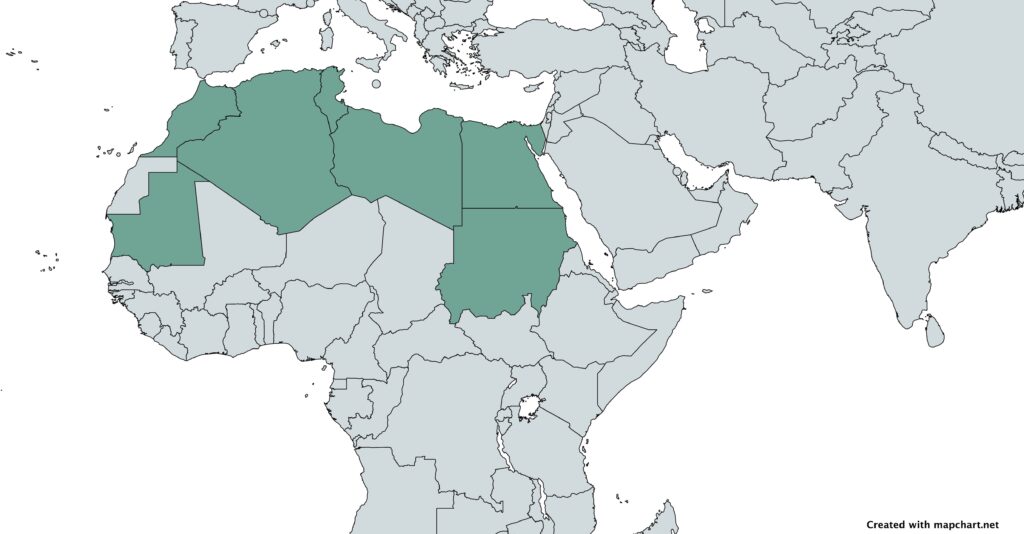
16. Algeria
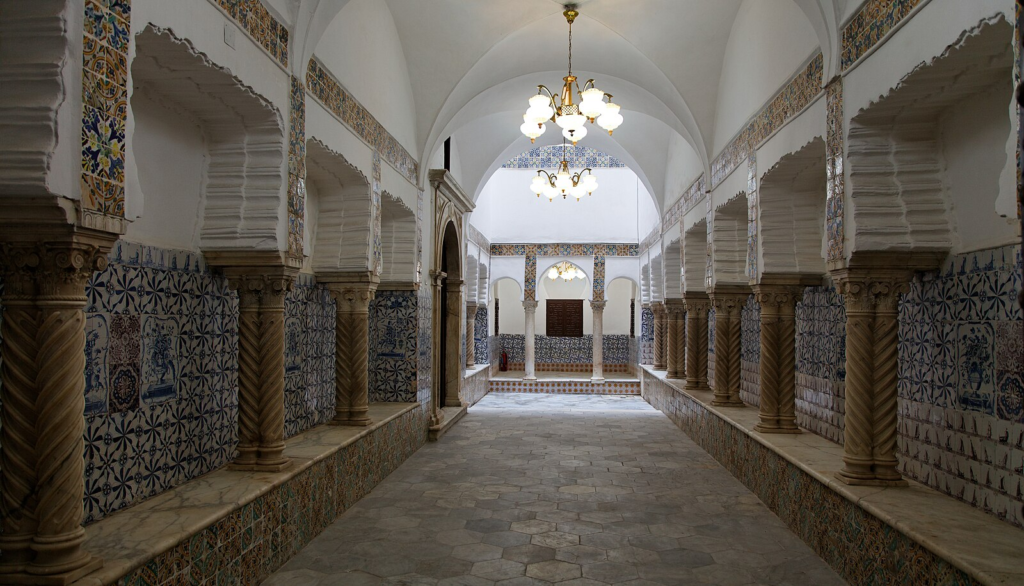
Algeria, the largest country in Africa, boasts a rich and diverse architectural heritage that reflects centuries of cultural fusion, geographical variation, and historical transformation. From the sun-baked kasbahs of the north to the earthen ksour of the Sahara, traditional Algerian architecture is a living testament to the country’s layered past and enduring identity.
17. Egypt
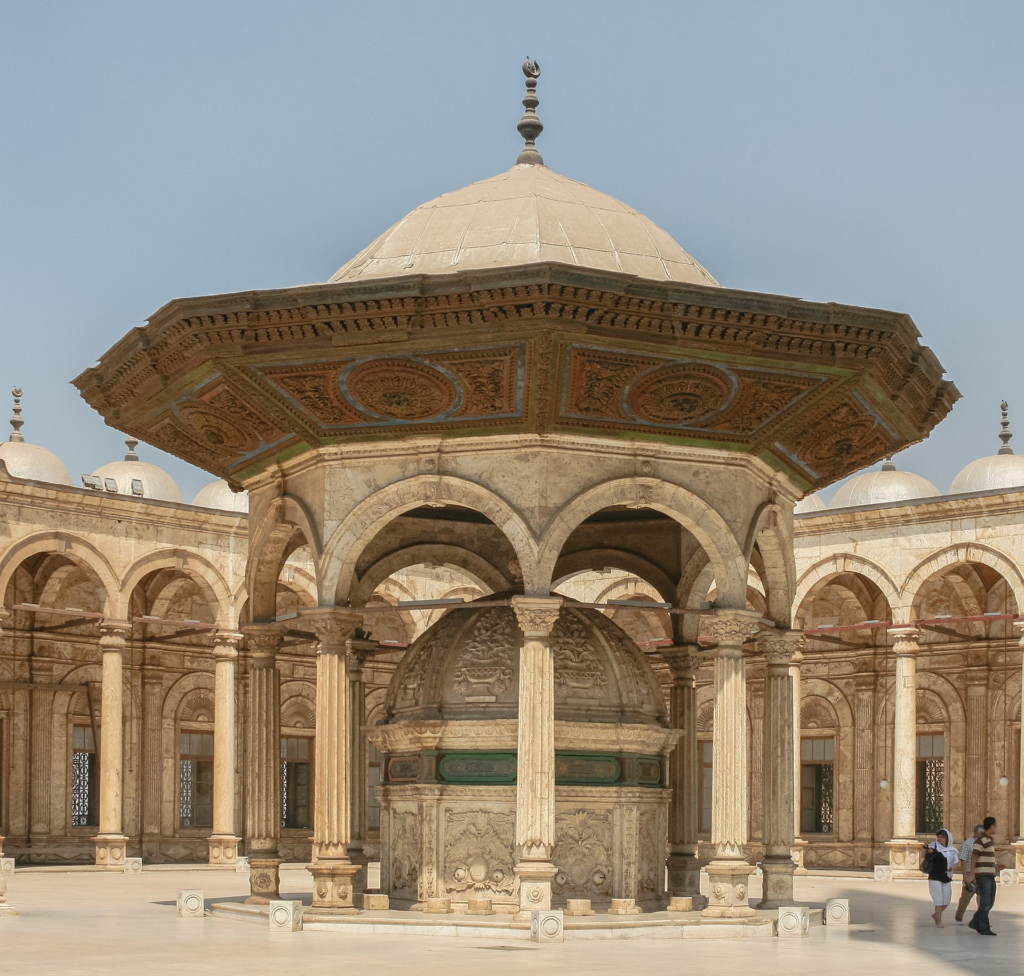
Egypt is globally renowned for its ancient pyramids and temples, but its traditional architecture extends far beyond these iconic monuments. Spanning centuries, Egyptian architecture reflects a unique synthesis of climate-responsive design, cultural identity, and historical continuity. From sun-drenched mud brick villages to intricately detailed Islamic buildings, Egypt’s vernacular architecture tells a powerful story of innovation and adaptation.
18. Libya
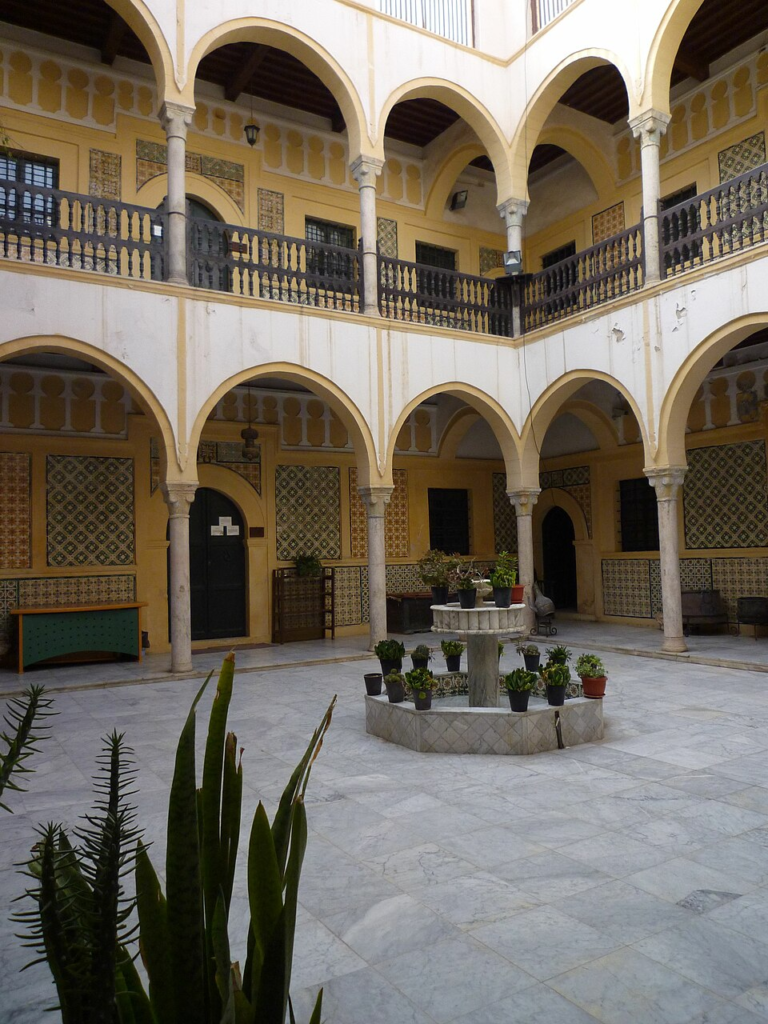
The arrival of Islam in the 7th century brought significant changes to Libyan architecture. Islamic design principles emphasized geometric patterns, symmetry, and simplicity, which became central to the construction of mosques and public buildings. The Ottomans, who controlled Libya from the 16th to the 20th century, further shaped the architectural landscape by incorporating Turkish and Persian influences. In Tripoli, for example, Ottoman-era mosques and caravanserais blend traditional Libyan styles with Ottoman elements, creating a unique architectural identity.
19. Mauritania
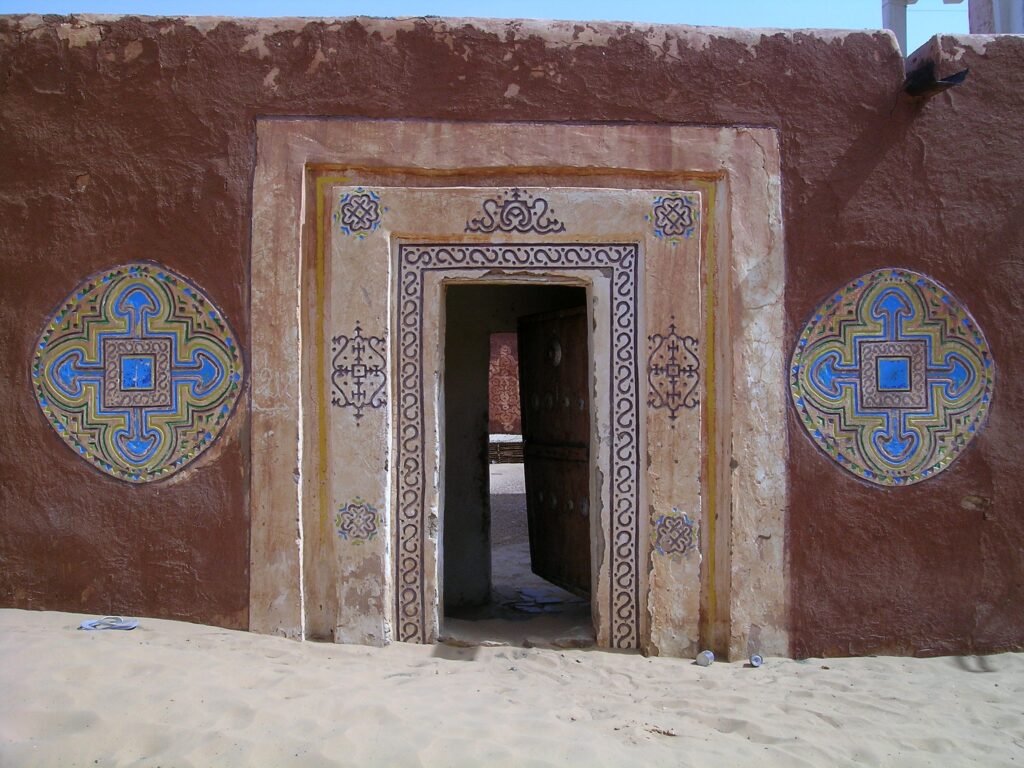
The traditional architecture of Mauritania, particularly in the ancient caravan towns along the trans-Saharan trade routes, showcases narrow, winding streets, mosques with square minarets, ornamental stone buildings, and homes featuring central courtyards and patios. These elements are deeply influenced by the region’s Islamic heritage and designed to cope with the desert environment.
20. Morocco
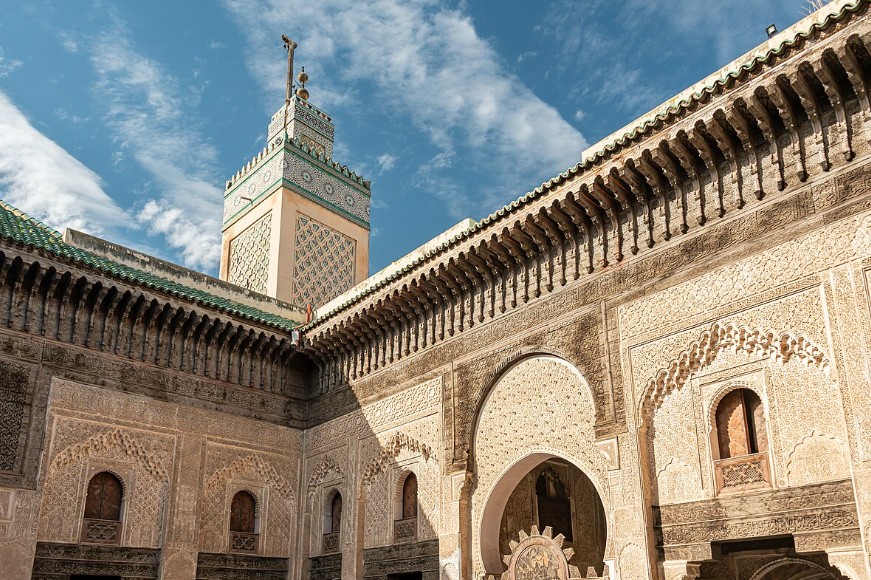
From the narrow alleyways of Fez to the sun-drenched kasbahs of the High Atlas Mountains, Moroccan traditional architecture tells a story of cultural fusion, spiritual symbolism, and unparalleled craftsmanship. Rooted in centuries of Arab, Berber, Andalusian, and Islamic influence, Morocco’s built environment is more than mere shelter; it’s a living expression of identity, artistry, and communal life.
21. Sudan
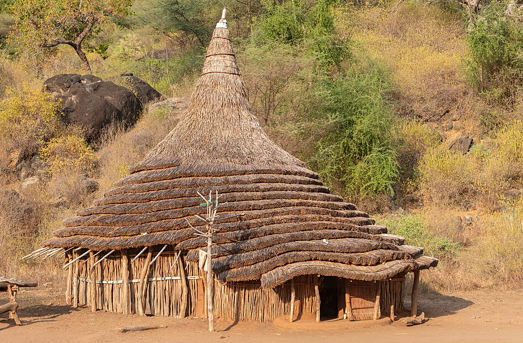
Sudan’s architectural heritage is deeply intertwined with its diverse history, geography, and cultural influences. The country’s vast landscapes — from the Sahara desert in the north to the lush Nile basin in the middle, and the humid Red Sea coast to the east—have shaped a wide range of building techniques and styles. The architecture of Sudan is a blend of ancient traditions, environmental adaptation, and external influences, all contributing to the rich tapestry of designs found across the country.
22. Tunisia
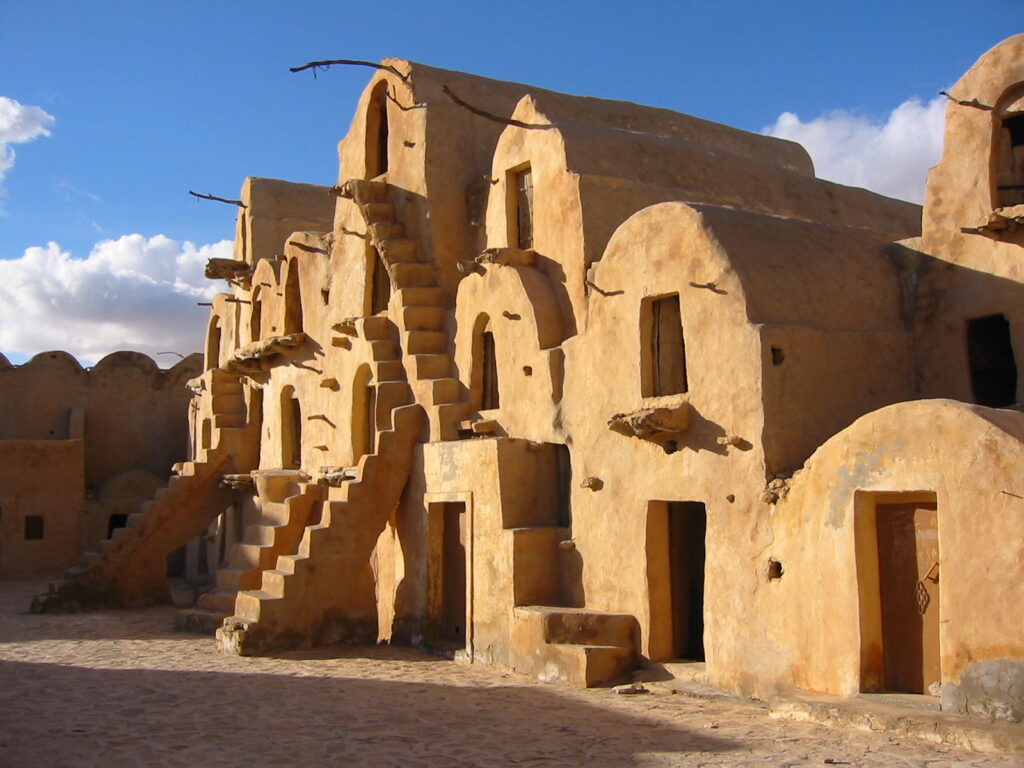
In Tunisia, architecture is more than shelter – it’s a record of civilizations, a tool for survival, and a reflection of identity. From the busy medinas of the north to the sun-scorched ksour of the south, Tunisia’s traditional architecture tells stories of adaptation, faith, community, and innovation. Shaped by geography and history, these structures are part of a living heritage that continues to influence how Tunisians build and live today.
Despite the rapid modernization and transformation of urban landscapes, traditional architecture remains essential to our cultural heritage and collective memory. Whether preserved in historic districts or incorporated into contemporary design, these traditions inspire and guide us. They serve as enduring reminders of human ingenuity and resilience. Furthermore, the strong connection between people, places, and culture offers valuable lessons for creating sustainable and meaningful design.
Authored by Ralph Hage
Ralph Hage is a Lebanese American architect who divides his time between Lebanon and the United States.
Compiled by Arwa Almasaari
Arwa Almasaari is a scholar, writer, and editor with a Ph.D. in English, specializing in Arab American studies. She often writes about inspirational figures, children’s literature, and celebrating diversity. You can contact her at arwa_phd@outlook.com
Want more articles like this? Sign up for our e-newsletter!
Check out our blog here!






.jpeg#/media/File:Different_Patterns_(246899199).jpeg)


_architecture_3_Feb_2022.jpg#/media/File:Old_Jeddah_(Al_Balad)_architecture_3_Feb_2022.jpg)


.jpg)


.jpg)
